The Week in Robotics
Everything that moved — sourced, verified, and put in context by the team tracking 3,730 robots and their makers.
The One Thing
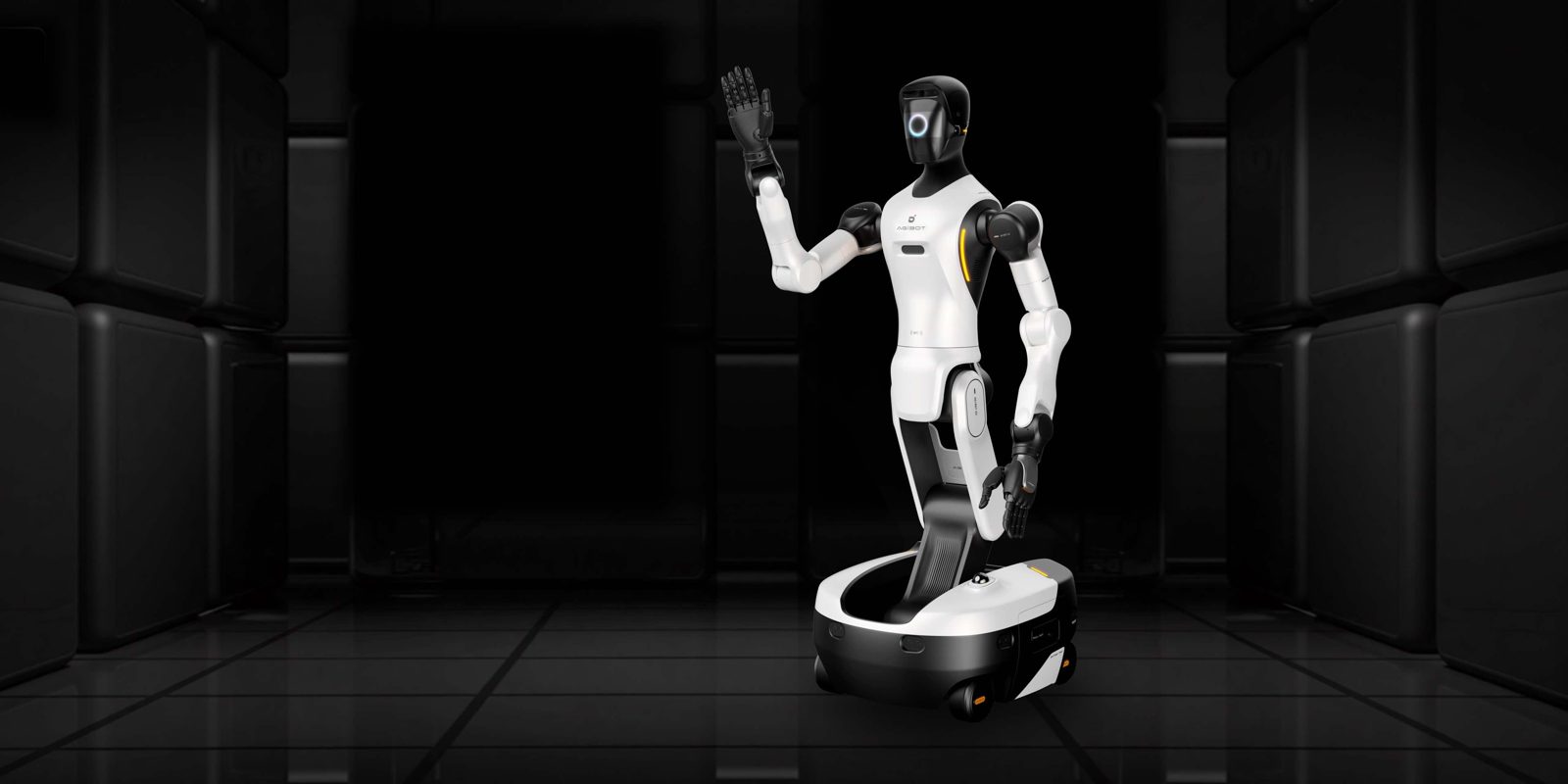
if you read one thingAgibot G2 — Agibot holds 6 of the top 20 on our humanoid boardRobotics stopped being a tech story and became a security one
On July 28 the FCC moved to block new foreign-made humanoid and quadruped robots — along with power inverters — from the US market, citing supply-chain and cybersecurity risk. It is not a tariff and not a recall. The lever is equipment authorization: new device models can be refused the approval they need to legally enter the market. Robots already authorized, already sold, or already working keep working, and federal purchases are exempt.
The same week, capital moved the same direction. Kraken Technology raised $175M at a $1B valuation for uncrewed vessels, with the NATO Innovation Fund, Rheinmetall and the UK's National Security Strategic Investment Fund on the cap table. XTEND agreed a $1.5B all-stock merger to list on Nasdaq as a defense robotics company. Three separate events, one direction: the people who buy robots for national security just became the people who set the rules for everyone else.
Follow the Money
$280M raised · $1.5B mergedKraken Technology hits $1B building uncrewed vessels for NATO
The Fareham, UK company raised a $175M Series B led by DTCP, with the NATO Innovation Fund, Rheinmetall, the British Business Bank and the UK National Security Strategic Investment Fund all participating. The money goes to production scale-up and payload development for uncrewed surface vessels.
Holiday Robotics raises $105M for its wheeled humanoid, FRIDAY
The Seoul startup is building a wheeled-base humanoid that spends its engineering budget on hands rather than legs: 64 degrees of freedom with 40 of them in the hands, tactile sensing and force-aware control in those hands, and hot-swappable batteries meant to last a full shift. Investors were not named in the reporting.
XTEND merges into a listed company to become XTEND AI Robotics
The Israeli defense-robotics firm agreed an all-stock merger with Nasdaq-listed JFB Construction Holdings at a $1.5B deal value — XTEND holders take roughly 70% of the combined company. Its software lets one operator run multiple air, ground and maritime systems at once.
We looked hard for Chinese rounds this week and found plenty of aggregate activity but no single deal we could pin to an exact company, amount and date inside the window. Rather than print a number we can't stand behind, we're telling you it's a gap. We also dropped a $22M Singapore round because no primary source for it exists publicly.
New Iron
the brain layer got a new supplierAMD goes after Nvidia's grip on the robot brain
At its Advancing AI event, AMD announced the Ryzen AI Embedded X100 chip family, Kria AI system-on-modules, and a Kria AI Robotics Developer Platform combining CPU, GPU, NPU and FPGA on one board. AMD's stated aim is to "remove vendor lock-in" — an unusually direct shot at the incumbent.
Generalist AI's GEN-1 learns to work across different robot hands
The company says its GEN-1 model now transfers across different end-effectors rather than being locked to the gripper it trained on — the practical blocker that keeps robot foundation models stuck to one machine.
ENvue Drive threads a feeding tube by robot
ENvue Medical showed a robotic system that navigates a feeding tube from the nose into the small intestine using electromagnetic tracking at 40 Hz under clinician supervision. The underlying navigation platform is already 510(k)-cleared; the robot itself is still pursuing clearance.
One widely-shared story didn't make it in: a "Unitree H1 Pro European launch." Two of our researchers went looking independently and neither could find a Unitree announcement or a single tier-1 outlet behind it — one aggregator citing another. If it's real, we'll run it when there's a source.
Boots on the Ground
every one of them a pilotThree named customers put humanoids to work this week — and not one of them signed a production order. That distinction is the whole story, so we're leading with it rather than burying it.
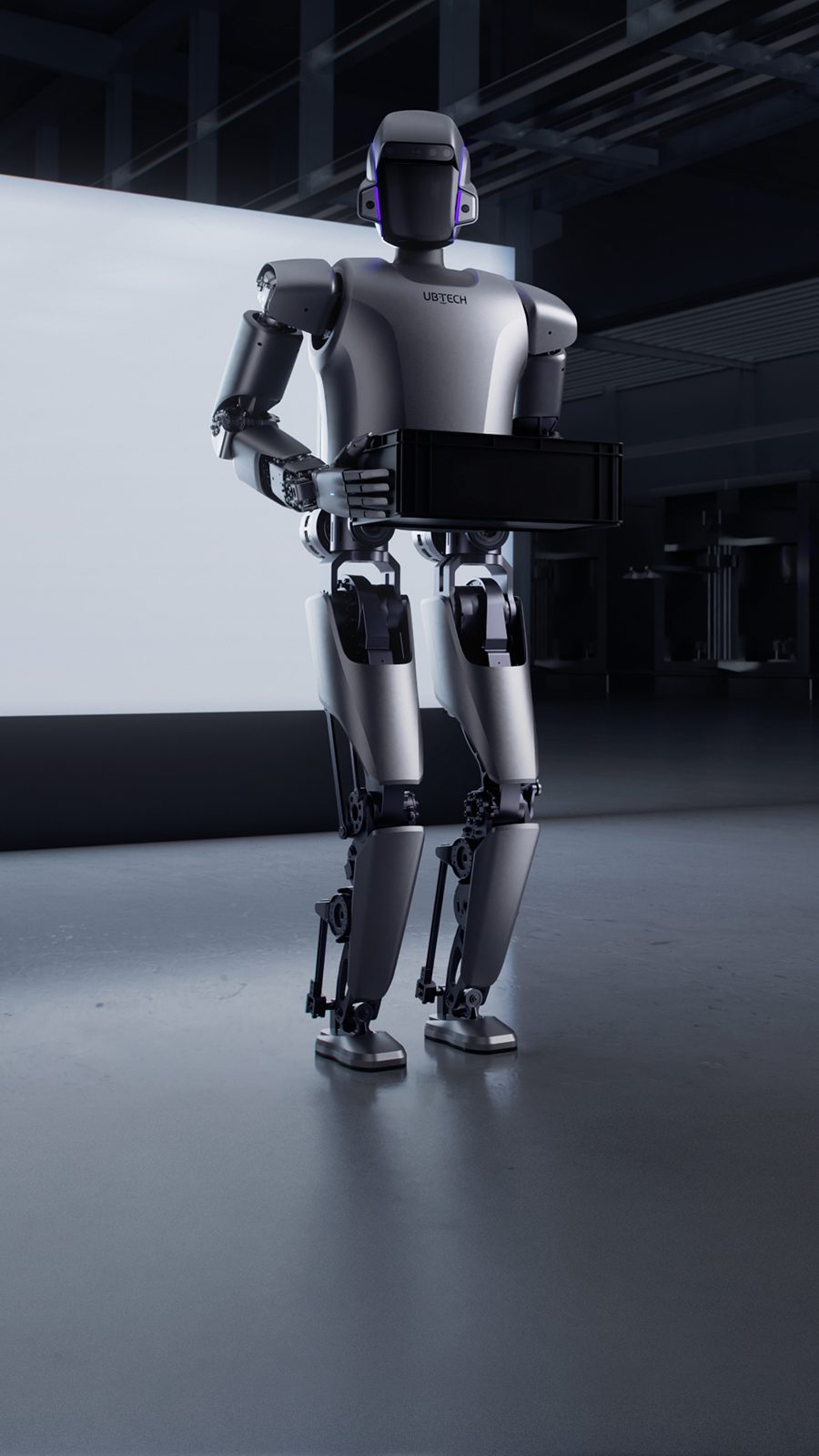 Illustrative: UBTECH Walker S1 · the pilot itself runs AeiROBOT's ALICE M1
A Korean circuit-board plant puts two humanoids on the floor
AeiROBOT placed two ALICE M1 humanoids into Daeduck Electronics, a South Korean PCB manufacturer, to pick up, move and organize boards. The demonstration phase runs to year-end with results expected around six months out; AeiROBOT says it aims to place roughly 20 robots across pilot sites this year and start commercial shipments in 2027.
Robots reach the sewing floor at three Chinese garment makers
Aitu ran production trials at Sunrise Group, Eifini and Chenfeng Group, with robots loading fabric onto template sewing machines and feeding pocket setters and fusing presses — one of the hardest manipulation problems in manufacturing, because cloth doesn't hold its shape.
Teradyne books $100M of robot revenue and names nobody
The parent of Universal Robots and MiR reported $100 million of Robotics segment revenue for Q2, inside a record quarter for the company as a whole ($1,329M total). For the robots specifically: no customer names, no unit counts, no segment backlog.
We also chased a widely-repeated claim that Tesla had 500 Optimus units working at Fremont. Tesla's own Q2 update says Optimus production there has not started. The claim is false and we're naming it, because it will keep circulating.
The Movers
no movers this week — here's why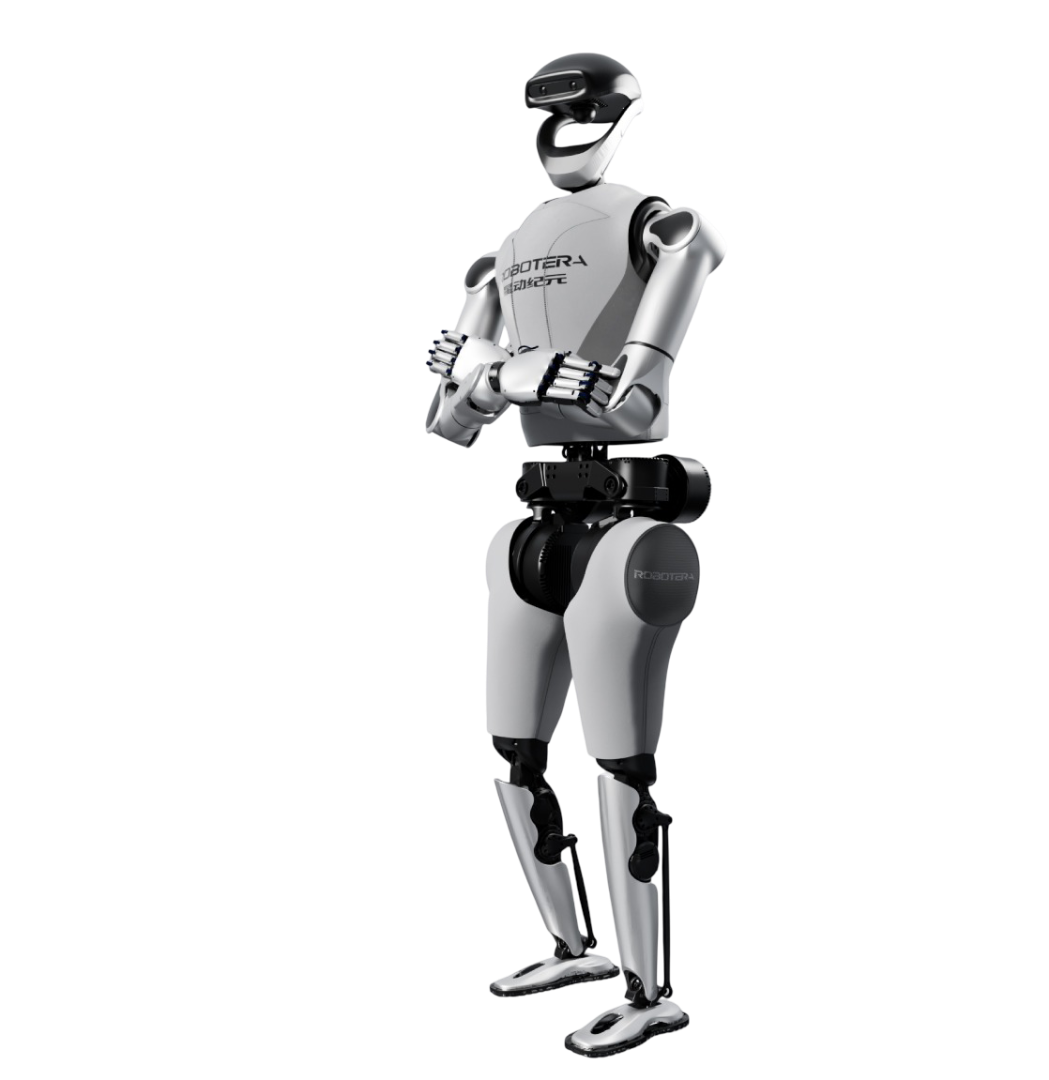 ROBOTERA L7 — down 48 places. We did that, not the market.
We re-cut our own scoring math this week. So there is no movers table.
Normally this section shows the robots whose RoboScore jumped on real signal. This week it would be dishonest to run it. On July 29 and July 30 we shipped two changes to the scoring formula itself. Comparing our last run on the old math to the first run on the new one, across the same 3,729 robots: the average score fell 4.2 points (56.9 → 52.7), 1,485 robots moved by 5 points or more, and 3,425 of them — 92% — scored lower than they had three days earlier.
Not one of those moves was caused by anything a robot maker did. Every single one was caused by us. Publishing that as "this week's biggest risers and fallers" is exactly the trick we built this newsletter to avoid.
Movers return next week, measured like-for-like on the new formula — so the first numbers you see will mean what they say. Most trackers can't separate a genuine move from their own housekeeping. We can, and when it's housekeeping we'll tell you.
The Number
only we can say thisAnd one number that went the other way: the robot catalog got smaller this week. We added 1 robot and retired 13 — duplicates, merged entries, and five records that turned out not to be robots at all. We'd rather shrink honestly than grow on padding.
Signals
regulatory · market · rumor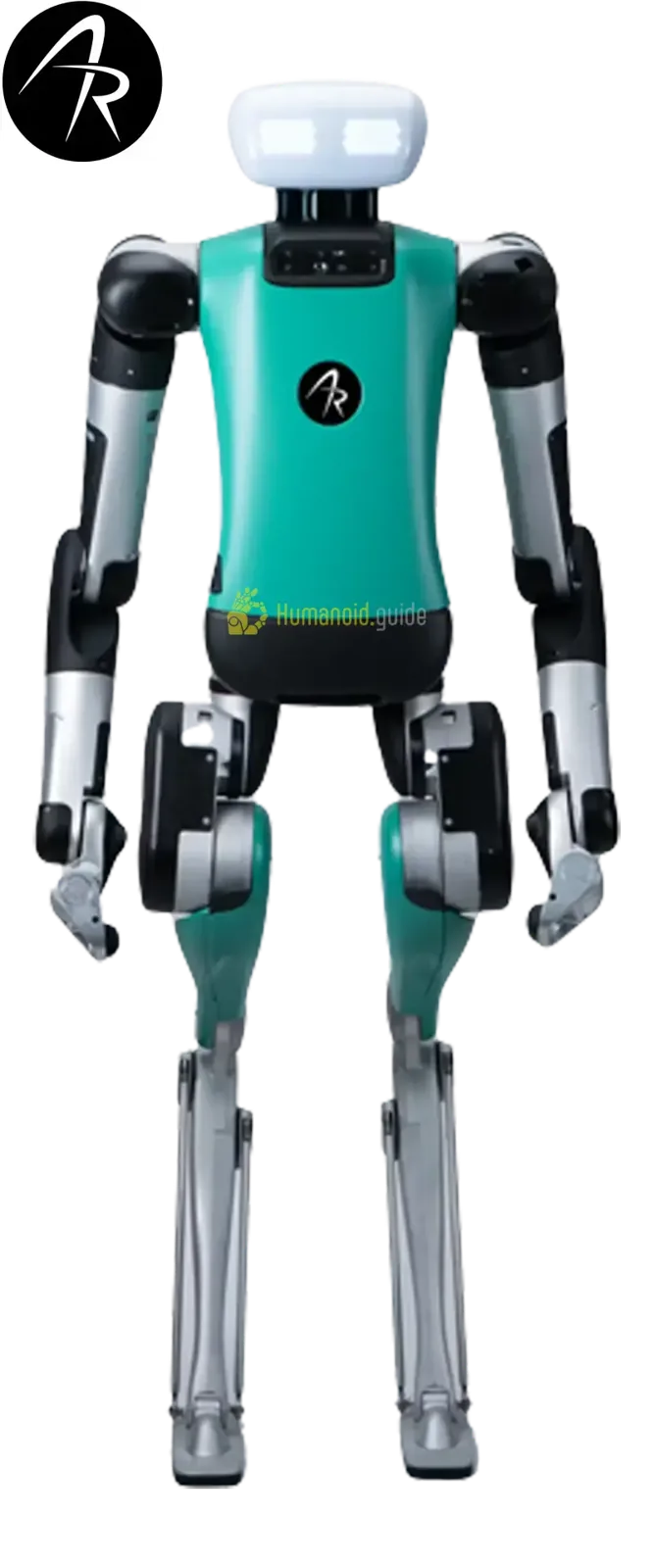 Digit V4 — the top-ranked US humanoid on our board
The robotics industry did not agree on the FCC's move
Standard Bots CEO Evan Beard called it "one of the strongest technology-security actions in modern U.S. history." Others read it as an own-goal: Georg Stieler of STM warned it could slow US progress by cutting startups and researchers off from cheap Chinese platforms, and Rueben Scriven of Interact Analysis said it "may also hinder U.S. manufacturers" and slow humanoid commercialization.
Momentis' Anovo adds multiport surgery to its FDA clearance
The clearance lets one platform perform all three minimally-invasive approaches — natural orifice, single-incision and multiport — covering ventral hernia repair and adding a multiport option in gynecologic surgery.
Genesis AI is reportedly raising at a $3B valuation
Bloomberg reported on July 23 that the robot foundation-model company is in talks for roughly $500M, with Premji Invest said to be leading.