The Week in Robotics
This week in robotics — sourced, verified, and put in context against our index of 4,337 robots.
New Iron
TECH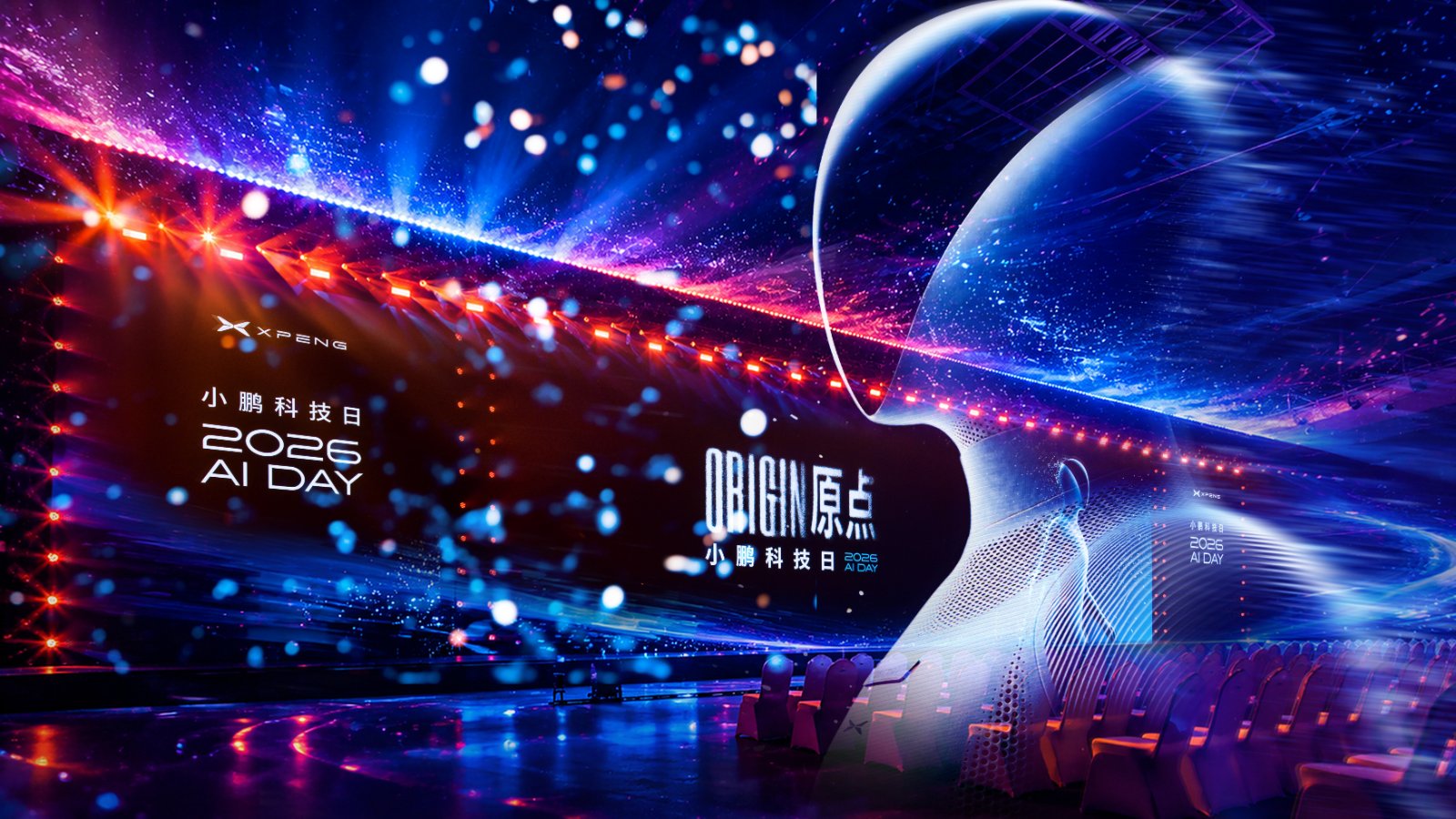 Via CnEVPost
Xpeng unveils Iron humanoid robot specs, VLA 3.0 architecture and 2027 robotaxi
At its 2026 AI Day in Guangzhou, Xpeng unveiled its Turing Physical AI Architecture (VLA 3.0), a three-layer system linking real-time hardware control, a vision-language-action model, and task planning across its vehicles, humanoid robots and robotaxis.
The company detailed hardware specs for its Iron humanoid robot, which demonstrated autonomous walking and voice interaction on stage, and set a production and launch timeline running from January to Q2 2027.
Xpeng also announced its first purpose-built robotaxi, the Yoyo-01, for 2027 release, paid global smart-driving subscriptions starting Q2 2027, and a charging-speed upgrade for existing vehicles.
 Via The Robot Report
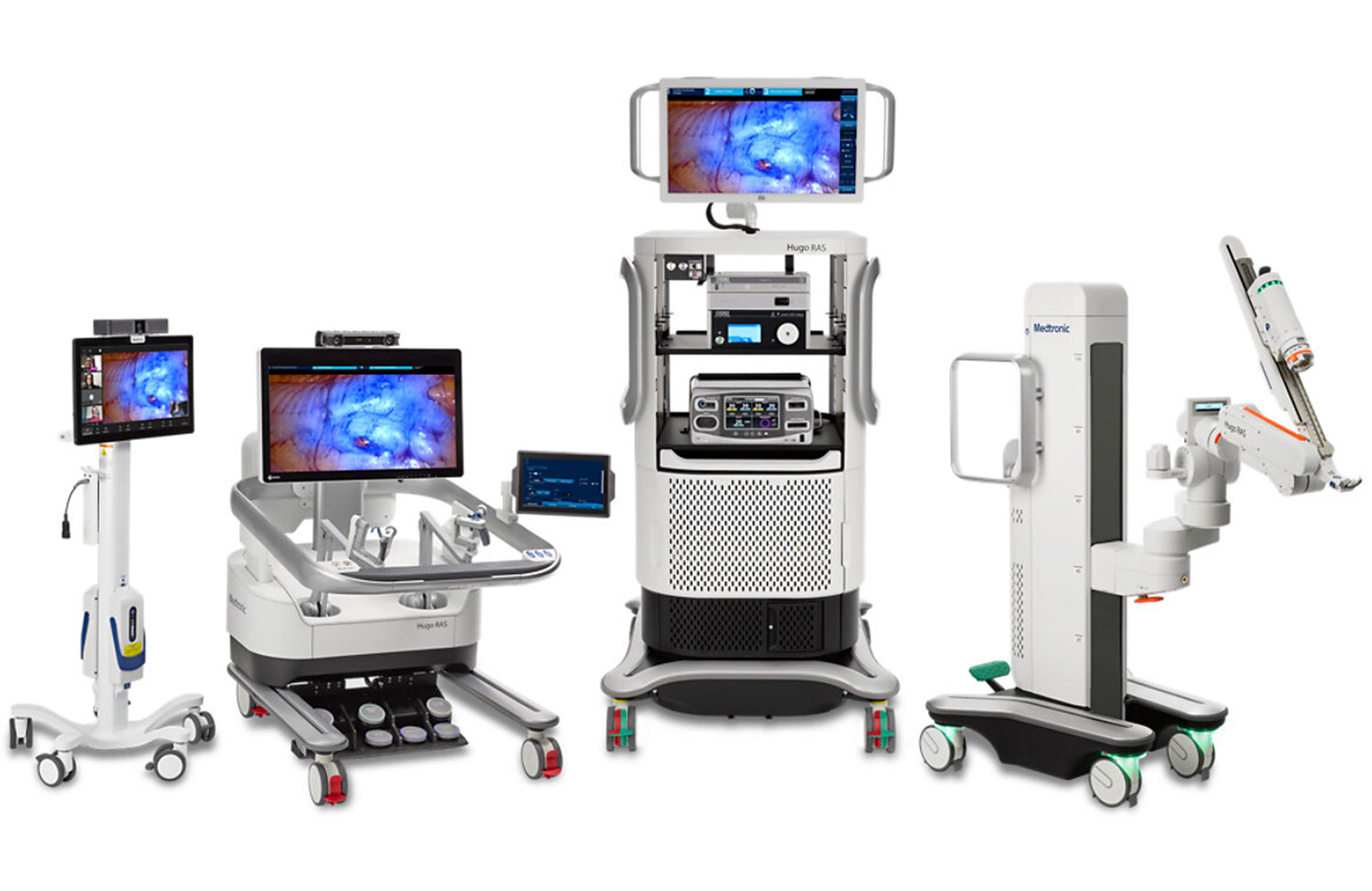
Medtronic's Hugo robot gets FDA clearance for general surgery procedures
Medtronic announced the FDA has cleared its Hugo robotic-assisted surgery system for general surgery procedures, including cholecystectomy, Roux-en-Y gastric bypass, ventral hernia, small bowel resection, inguinal hernia, and appendectomy.
Medtronic said these procedures combined account for about 3.5 million surgeries annually in the U.S. The company previously received FDA approval for urology in December 2025 and CE marking for general surgery in Europe in 2022.
Globally, Hugo is on track to surpass 50,000 cumulative procedures by the end of Medtronic's fiscal year. Separately, Medtronic invested $700 million into Cornerstone Robotics in September, gaining distribution rights to its Sentire surgical system outside the U.S.
Boots on the Ground
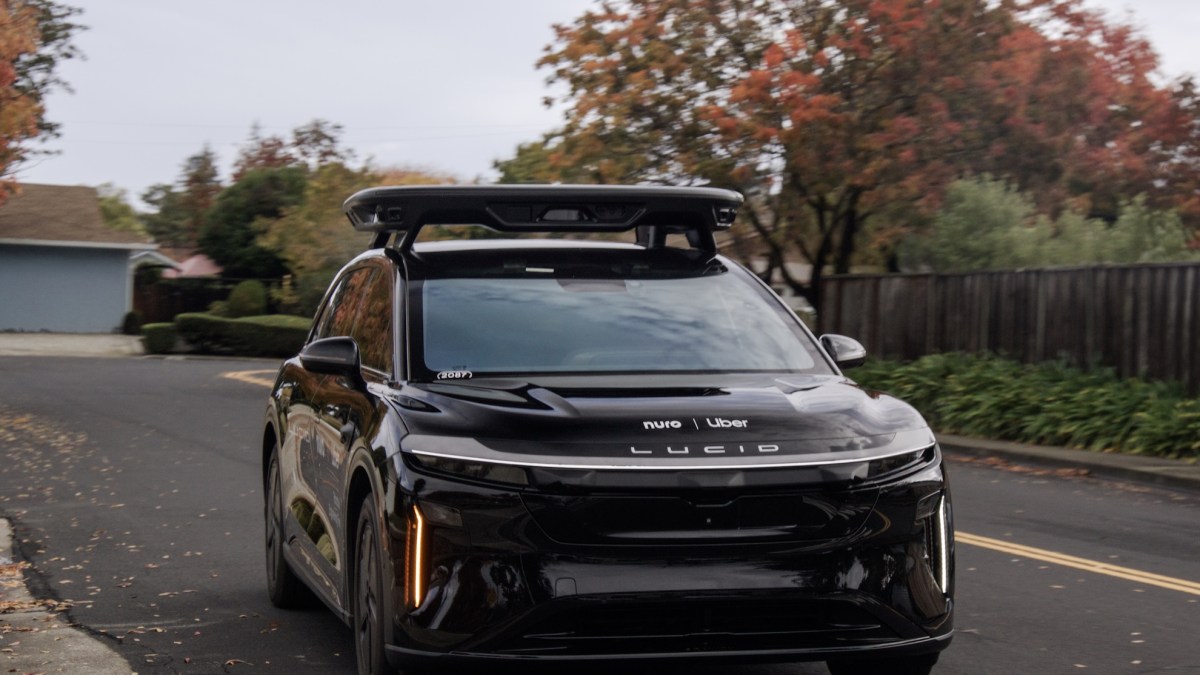
DEPLOYMENTVia TechCrunchUber and Nuro begin driverless testing of Lucid robotaxis before 2027 launch
Uber and Nuro have started testing driverless Lucid Gravity SUVs on public streets in the San Francisco Bay Area, months after receiving a permit to remove the human safety driver, ahead of a planned commercial robotaxi launch in Q1 2027.
The companies are also testing autonomous vehicles with safety operators in Houston, and their combined engineering fleet is expanding as Lucid begins manufacturing production robotaxis at its Arizona factory.
The deal includes large investments: Uber's commitment to Lucid grew from $300 million to $500 million, and it separately agreed to invest nearly $500 million in Nuro, while also agreeing to buy a growing number of Lucid Gravity SUVs over six years.
Follow the Money
INVESTMENT Via TechTarget
China's Simplexity Robotics raises $100M, hits $1.6B valuation
Simplexity Robotics, a 16-month-old Suzhou-based humanoid robotics startup, closed a $100 million pre-Series A round led by Ant Group, with existing investors Tencent Holdings, HSG and Lanchi Ventures also participating. The round values the company at $1.6 billion.
The raise comes as China's robotics funding is cooling: Bloomberg reported fundraising in the sector fell to about $1.6 billion in October, down 67% from its June peak. Analysts said investors are becoming more selective, favoring companies with practical commercial applications over technology demonstrations.
Alongside the funding, Simplexity unveiled its second humanoid robot, the iX wheeled model for service and hospitality use, and continues to supply industrial customers including Leaderdrive, Suzhou Dongshan Precision Manufacturing and Hangcha Forklift.
Embodied AI Startup Embo Raises $110M Seed Led by a16z, Nvidia's NVentures
San Francisco-based embodied AI startup Embo announced a $110 million seed round on November 23, led by Andreessen Horowitz (a16z), with participation from Nvidia's venture arm NVentures, Khosla Ventures, DST Global and Striker Venture.
Embo was founded in April this year and has not yet released a product. The company is building a 'generalist brain' for robots based on world-model technology, led by CEO Danijar Hafner, a former Google DeepMind researcher and inventor of the Dreamer world-model series, and CTO Wilson Yan, developer of VideoGPT.
According to Dealroom data cited in the article, the round ranks in the top 1% of seed rounds for U.S. computer-vision startups. Embo says it has already built a world-model agent and a multimodal compute infrastructure capable of supporting parallel training across 70,000 GPUs.
Suling Intelligent Drive to fully acquire bearing maker Yinqiu for 1.05B yuan
Suling Intelligent Drive (301550.SZ) disclosed a draft major asset purchase report to acquire the remaining 75.6573% stake in Ningbo Yinqiu Technology for 1.051 billion yuan in cash, which would give it 100% ownership of the bearing maker.
The company had already taken a 24.34% stake in Yinqiu for 392 million yuan in November 2025, making it the second-largest shareholder; the new deal brings total spending on the bearing company to over 1.4 billion yuan.
Suling has been building a robot-components division since 2024, investing over 100 million yuan in harmonic reducer and specialized bearing production lines, and plans a 1.8 billion yuan private placement to add 3.6 million units of robot-component capacity. The company frames the Yinqiu acquisition as filling out its precision-bearing supply chain for humanoid robot joint systems.
 Via The Robot Report
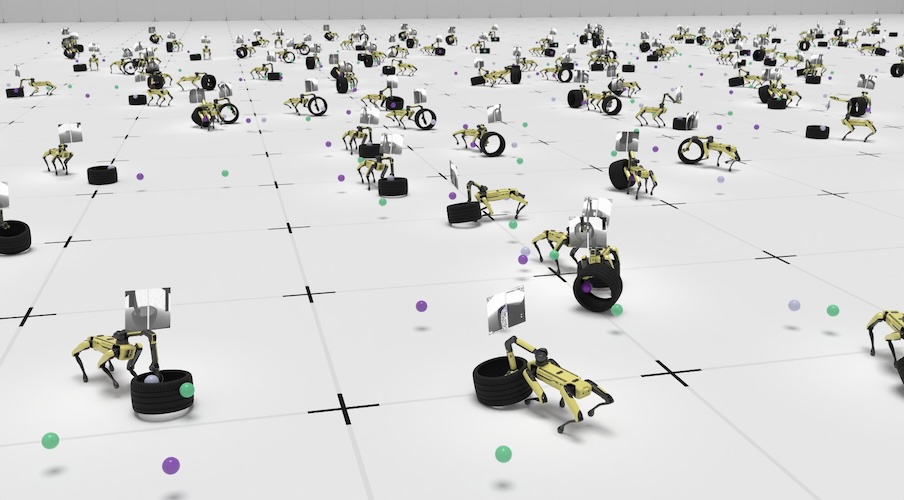
SoftBank completes acquisition of Marc Raibert's RAI Institute from Hyundai
SoftBank has completed its acquisition of the Robotics and AI Institute (RAI) from Hyundai Motor Group. Financial terms of the deal were not disclosed, and SoftBank declined to comment when asked.
RAI was founded in 2022 by Boston Dynamics founder Marc Raibert with more than $400 million in initial funding from Hyundai, and is based in Cambridge, Mass. with an additional office in Zurich.
The deal reunites SoftBank with Raibert after SoftBank previously owned Boston Dynamics before selling a controlling stake to Hyundai in 2021 in a deal valuing the company at $1.1 billion. Hyundai has since acquired SoftBank's remaining 9.65% stake in Boston Dynamics.
On the Calendar
AHEADRobotics shows, conferences and competitions opening in the next eight weeks. Dates confirmed against each organiser’s own page.
- Nov 25–27on nowNagoya RoboDEX [NAGOYA] ‐Robot Development & Application EXPO 2026
- Dec 1–2SPRINT Robotics Summit 2026
- Dec 1–2Humanoids Summit Silicon Valley 2026
- Dec 2–4RoboNext 2026
- Dec 2–4Manufacturing × Physical AI Expo 2026 — Fukuoka
- Dec 6–9IEEE-RAS Humanoids 2026
- Dec 10–11Robot World Yokohama 2026
- Jan 6–9CES 2027
- Jan 18–20A3 Business Forum 2027
The Number
DATANovember so far: $5.58B across 55 rounds recorded when this issue was compiled. The month is still running, so it is not on the chart.
Half the month’s rounds were under $19M; its three largest took 42% of the capital. Biggest: FieldAI at $700M.
Full capital index →This is funding we have recorded, not all robotics funding — we find more rounds partly because we read more news than we used to. Amounts are the disclosed round size, not a valuation. Months run to the last complete one.
45 countries are home to a maker on our board. Where every maker of an active robot we track is headquartered. 517 robots come from makers with no headquarters on record yet, so the true figure can only be higher. Counted from the live index on the day this issue was assembled.