Operator training: the line item most facilities skip
Training is not a one-day event. It's the difference between a robot that runs and a robot that cleans.
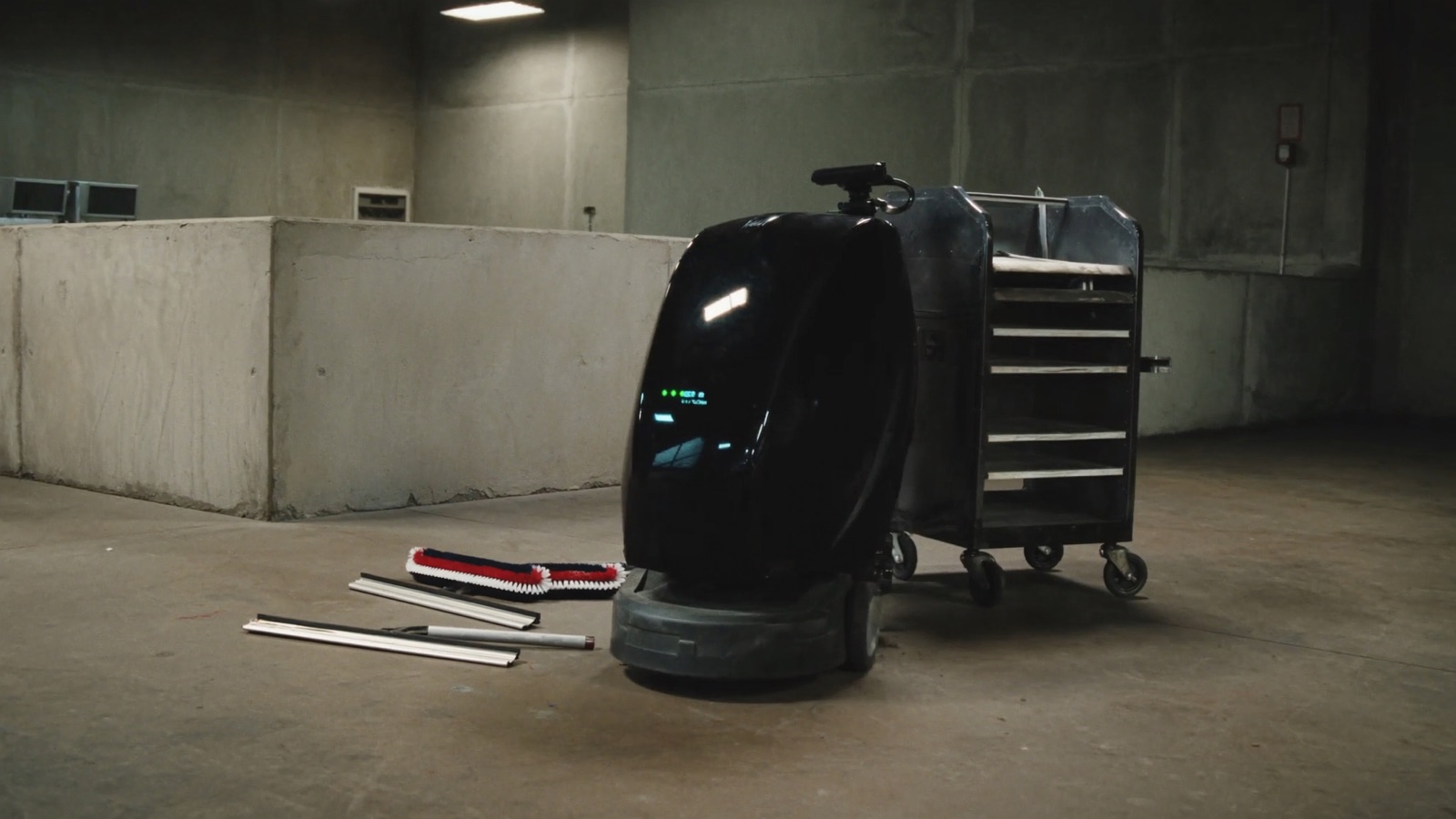
Every major cleaning robot vendor includes an onboarding session in the contract. It is usually one or two days. A technician visits your facility, demonstrates how to launch the machine, explains the fleet management dashboard, and walks operators through the basic safety protocols. At the end of the session, the vendor signs off on onboarding completion.
That session is not operator training. It is vendor obligation fulfillment.
The facilities that get full first-year performance from autonomous cleaning equipment — the ones whose second-year renewal meetings are easy conversations about expansion rather than difficult conversations about whether to continue — treat training as an ongoing operational discipline, not a box to check before go-live.
Here is what the training gap looks like, why it forms, and how to close it before the machine arrives.
Why the training gap forms
The cleaning industry has high annual turnover — commonly cited at 30 to 50 percent in the U.S. commercial sector. This means that by the time a cleaning robot has been in operation for 12 months, a meaningful fraction of the operators who were trained at onboarding are no longer on the team. Their replacements learned from colleagues, from brief hallway instructions, or from trial and error.
Compounding this: the operator who drives the training run — the person who walks the machine through the facility and teaches it the cleaning route — is often the most experienced cleaner on the team. When that person leaves, no one remaining knows how to rebuild the map. A layout change that requires a re-training run stalls because no one knows the correct procedure, and the machine runs on a stale map that misses three zones that were reconfigured six months ago.
Vendors have no systematic incentive to prevent this. Their SLA covers equipment uptime, not operator proficiency. When you call because your coverage area has drifted to 60 percent of what it was at launch, the support team will identify a machine issue if there is one — but they won't diagnose that the root cause is an operator running the machine in manual mode because no one showed them how to switch it to autonomous.
The three layers of training you need
Layer 1: Basic operator training (vendor-provided plus your extensions)
What vendors provide is adequate for the basic mechanics: how to launch a cleaning job, how to handle a stop event, how to fill and empty tanks, how to dock the machine at the end of a shift.
What vendors rarely cover adequately:
Obstacle stop response protocol. When the machine stops in the middle of a run, operators need a specific decision tree, not a general instruction to "see if there's an obstacle." The questions they need to answer: Is the obstacle temporary (a cart that can be moved) or fixed (furniture that's been relocated)? If temporary, move it and restart. If fixed, log it for route adjustment. If the machine has stopped more than three times in the same zone in one shift, flag it for a supervisor review of the zone configuration — not just restart it repeatedly.
Document this as a laminated quick-reference card posted at the machine's charging dock. Not in the manual. On the dock.
Map rebuild triggers. Operators need to know exactly when a layout change requires a route map rebuild. The practical threshold: any obstacle that permanently occupies a position within the machine's programmed path, or any new permanent obstacle within 3 feet of the path. A table moved 6 feet should trigger a remap request. A chair temporarily placed in the aisle does not.
Tank management discipline. The most common cause of incomplete coverage runs is premature tank depletion — the machine reaching the point where it must return to the service station before completing the route, then running out of window time. Operators should check tank levels at each tank cycle, log the approximate coverage point, and flag patterns where the machine is consistently running dry before route completion. That data tells you whether your tank size is right for your route length, and whether the solution delivery rate needs adjustment.
Layer 2: Lead operator training (deeper skills for your on-site program owner)
Every cleaning robot deployment needs one person who is more than a basic operator — someone who understands the machine at the configuration level and owns the cleaning program's performance metrics. This is your on-site program owner, and the training investment in this person is disproportionately high-value.
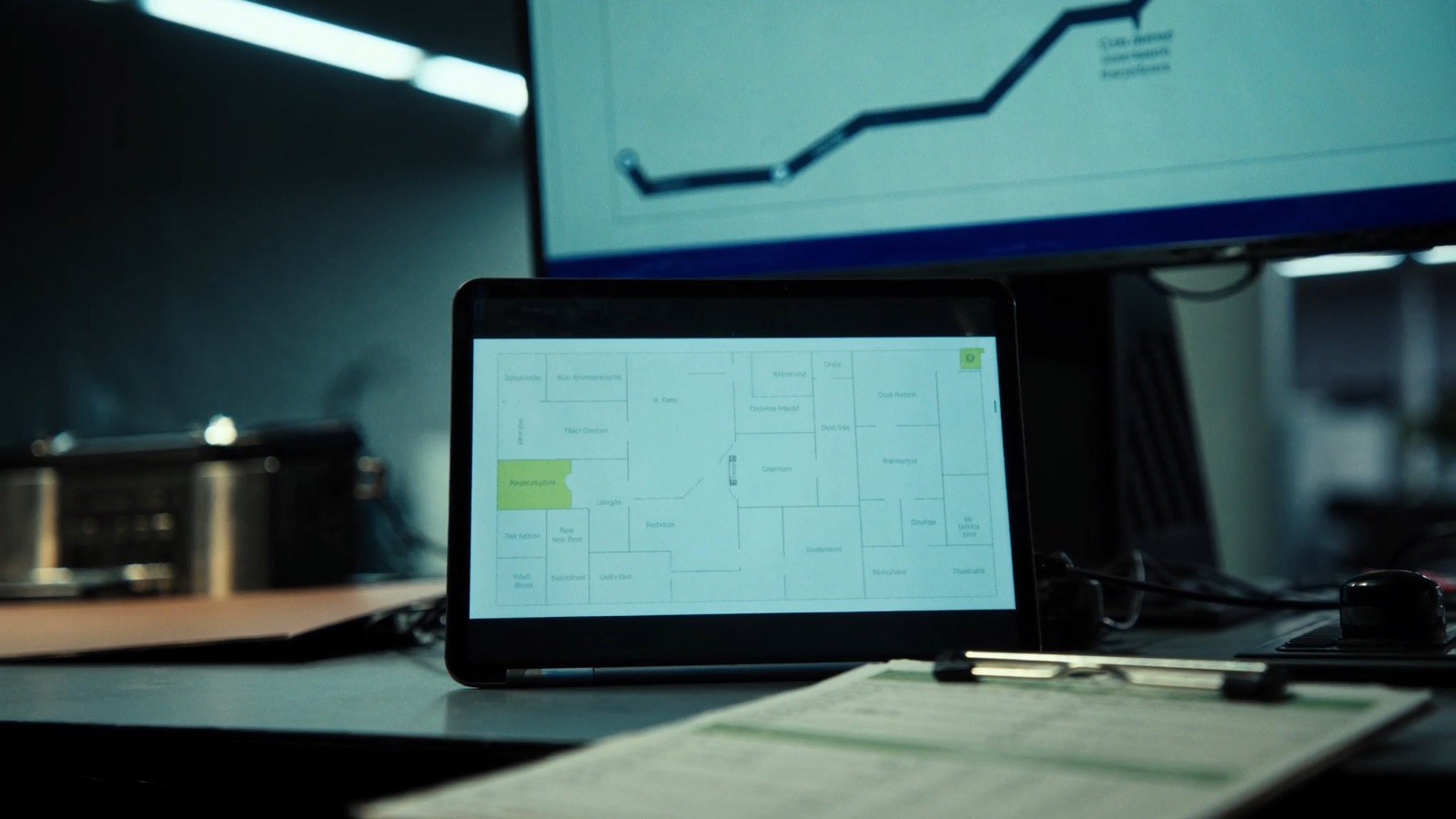
Route training and map management. The lead operator should be capable of conducting a full route training run independently, without vendor support. This means driving the machine through the target path at the correct speed, maintaining appropriate distance from walls and obstacles, and verifying post-training that the map loaded correctly in the fleet management system. If your lead cannot do this, you are vendor-dependent for every layout change — which typically means waiting 3 to 10 business days for a service call.
Request that the vendor include a supervised lead-operator route training session in the onboarding contract. Have them walk your lead through one complete map build, then watch while your lead conducts a second map build independently before signing off.
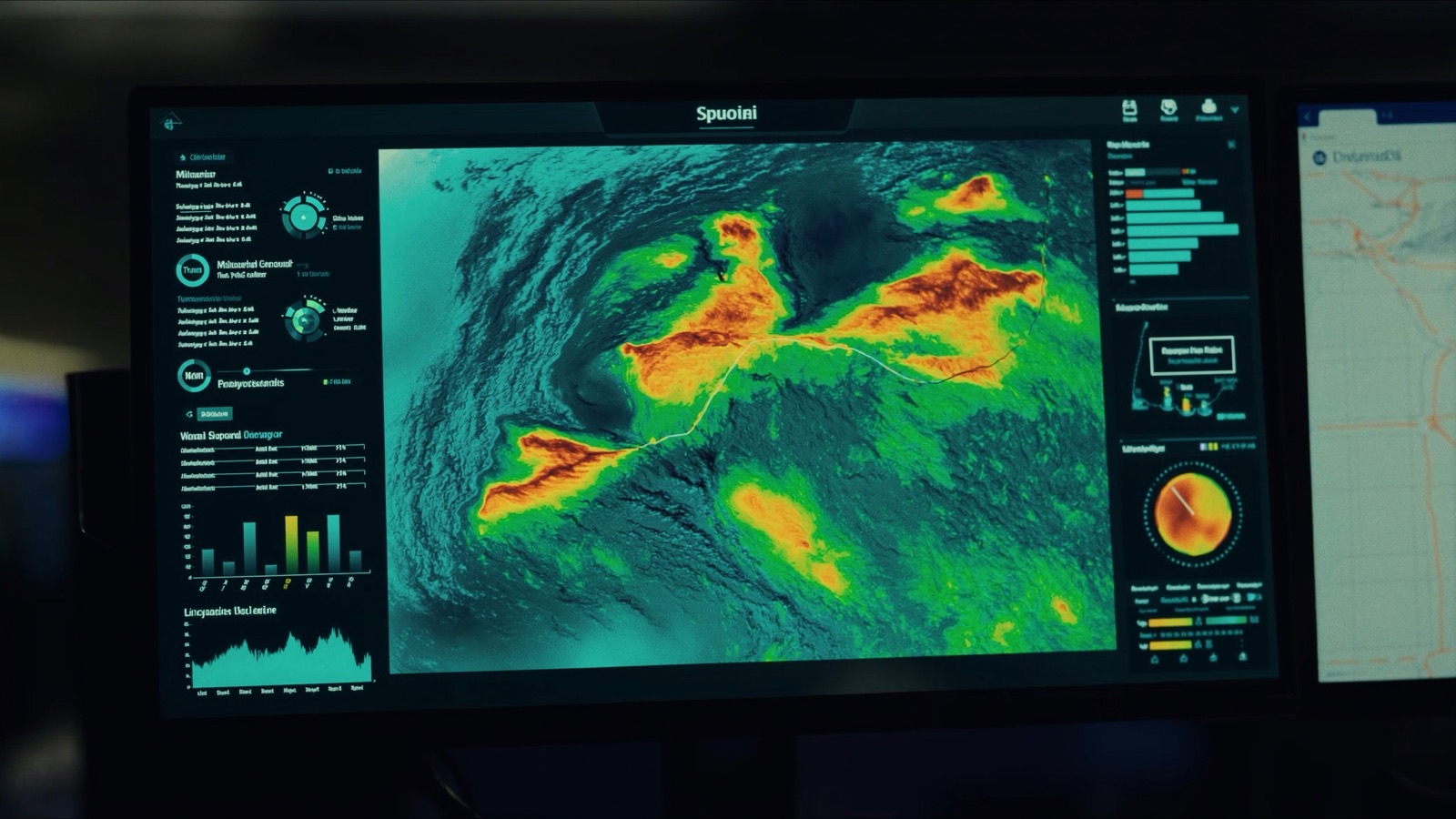
Fleet management and data interpretation. The lead should pull and review the weekly fleet report as a standard operational task. Specifically: coverage percentage per zone, obstacle stop count and location, solution consumption per run, and battery discharge curve. Anomalies in any of these are early indicators of either machine issues (changing battery discharge curve indicates battery degradation) or environmental changes (increasing obstacle stop count in a specific zone indicates something has changed in that area).
Most facilities managers receive weekly fleet reports and file them without action. The value of the data is in acting on it. Assign explicit review responsibilities to your lead operator: "If coverage in Zone B drops below 85 percent in any week, flag for supervisor review by Friday."
Basic mechanical inspection. Leads should be able to visually inspect and assess:
- Brush pad wear (visual comparison to a new pad, or measurement against the wear indicator if the machine has one)
- Squeegee condition (cracking, warping, debris adhesion)
- Solution delivery nozzle blockages (most common cause of spotty solution distribution)
- Sensor window cleanliness (dirty sensors are the most common cause of increased obstacle stop frequency in otherwise unchanged environments)
A 10-minute pre-shift inspection checklist — documented, dated, and signed — reduces unplanned downtime more reliably than any predictive maintenance feature in the fleet software.
Layer 3: Staff context training (everyone who works near the machine)
This layer is almost universally skipped by facilities managers and BSCs, and it is the most reliable predictor of whether a cleaning robot pilot succeeds or quietly degrades in the first 90 days.
Cleaning technicians who work in the same facility as an autonomous scrubber — even those who don't operate it — need to understand:
What the machine can and cannot handle. Staff who don't know the machine's capabilities will either over-rely on it ("the robot will get that") or under-use it ("I'll just do it myself, it's faster"). Both behaviors erode the efficiency case. A technician who leaves a debris pile in the machine's path because "the robot should handle it" is creating an obstacle stop event. A technician who cleans a zone manually because they don't trust the robot is duplicating labor.
How to work alongside the machine safely. Autonomous scrubbers use laser sensors and sometimes cameras to detect obstacles. Staff walking into the machine's operating path are detected as obstacles and cause stops. Staff who understand this — and who know to step to the side of the aisle while the machine passes — reduce stop frequency without any change to the machine or its route. This is a five-minute training point that most sites never deliver.
What to do when they see the machine stopped or behaving unexpectedly. Without explicit instruction, staff will either restart the machine incorrectly (triggering a diagnostic that requires supervisor intervention), leave it stopped until someone notices, or call the facilities manager for something the on-site lead should handle. A simple decision tree — "machine stopped: if it's in a red status, call the lead; if it's in amber and there's a clear obstacle, move the obstacle and press resume; don't touch it otherwise" — prevents most of these situations.
The format for this training does not need to be elaborate. A 20-minute group session before the machine launches, with a laminated one-page quick reference posted in the break room, covers the core of what staff need. The session should include hands-on time — let staff walk alongside the machine in operation and ask questions.
Building the ongoing training system
Turnover is the enemy of operator proficiency. A training program that ran once at launch and never ran again is a training program that degrades by 30 to 50 percent per year as staff turn over.
The minimum viable ongoing training system has three components:
New-hire onboarding module. A 45-to-60 minute training session that every new cleaning technician completes before their first shift in a robot-equipped facility. Document the curriculum as a checklist that a trainer signs off on. Keep it in the personnel file. This is the process step that vendors cannot own — it lives in your HR or onboarding flow.
Quarterly lead operator competency review. A 30-minute session in which the lead operator demonstrates a route training run, pulls and interprets a fleet report, and walks through the mechanical inspection checklist. The purpose is not to catch failures — it's to keep the skill current. Competency degrades without practice, especially for skills like route mapping that are used infrequently.
Incident log and pattern review. When obstacle stop frequency spikes, coverage drops, or a mechanical issue causes downtime, log it with a brief root cause note. Review the log quarterly. Patterns in the log — the same zone always generating stops, the same maintenance item always coming up — are training inputs. If the same zone generates repeated obstacle stops because staff leave equipment there after their shift, that is a change-management issue, not a machine issue. Address it in training, not in the service call.
What to ask the vendor before you sign
Include these questions in your vendor negotiation:
- What does the onboarding session cover, specifically? Can I see the training agenda in advance?
- Will your technician supervise my lead operator through a complete independent map training run before signing off on onboarding?
- Is there a digital training resource library (videos, documentation) that I can use for new-hire onboarding without scheduling a vendor visit?
- What is your response commitment when my lead operator calls for remote guidance on a configuration issue?
- Can you provide a reference customer who has managed turnover in their operator staff successfully? What did they do?
Vendors who have invested in customer training infrastructure can answer all of these specifically. Vendors who have not will give you general assurances. The quality of the answers is a reliable signal about whether the company treats post-sale support as a core function or a cost center.
The metric that tells you whether training is working
Track this one number monthly: obstacle stop frequency per 1,000 square feet cleaned.
In a well-trained, stable operation with a consistent facility layout, this number should be low and consistent. Rising stop frequency in a stable layout is either a machine issue or a staff behavior issue — both are actionable if you're tracking. Declining stop frequency in the first 90 days of operation is the clearest signal that your operator training is working: staff are learning to keep the machine's path clear, and the lead is managing the facility layout to reduce unexpected obstacles.
If stop frequency is not in your fleet dashboard, ask your vendor why not.
Next in this series: vendor evaluation — SLAs, fleet management platforms, and the reporting questions that separate serious vendors from demo-ready ones.