Cleaning robot vs. supervisor-led human team: side-by-side
The comparison most vendors avoid: where a well-run human team beats the machine, and where it doesn't.
Vendor presentations for commercial cleaning robots share a structural flaw: they compare the robot to an abstract, perfectly average human cleaning team. That comparison is easy to win. A well-run human team is harder to beat than vendors suggest, and an underperforming human team is easier to fix than purchasing a robot.
The honest comparison requires specificity about which human team you're talking about, and which robot operation you're actually running.
Here is the side-by-side, scenario by scenario, for the situations where the decision is genuinely close.
What each model actually looks like at its best
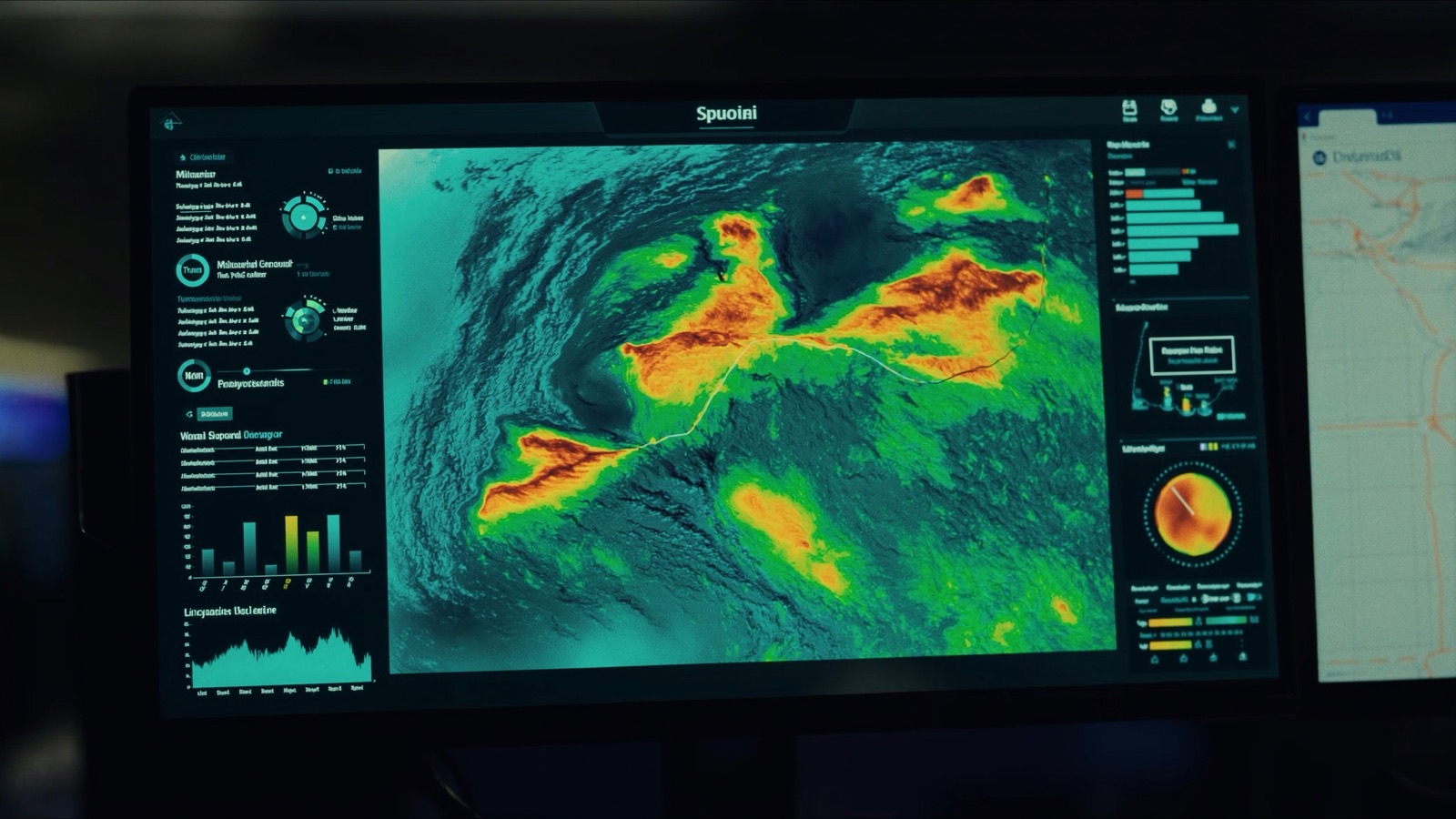
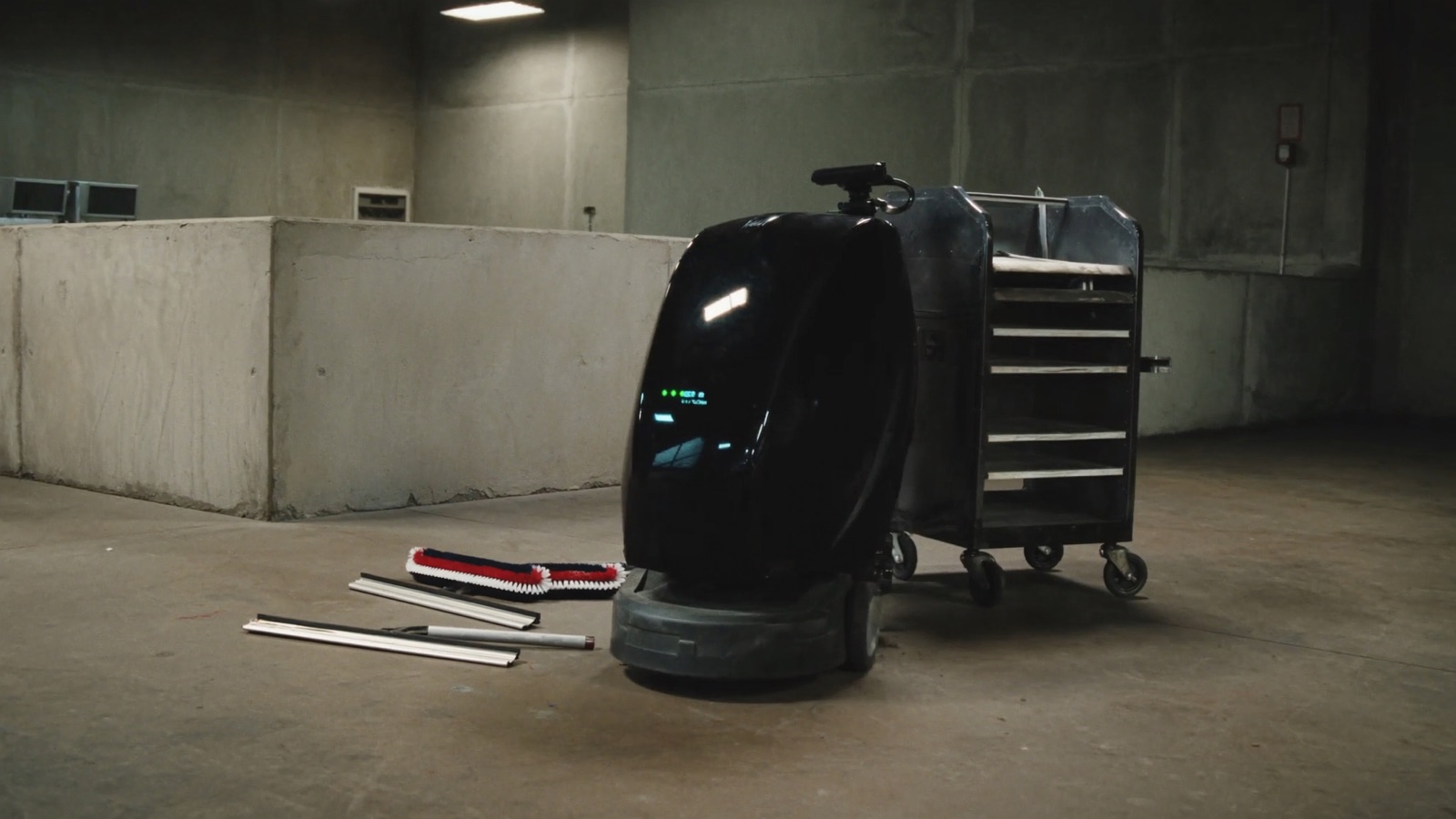
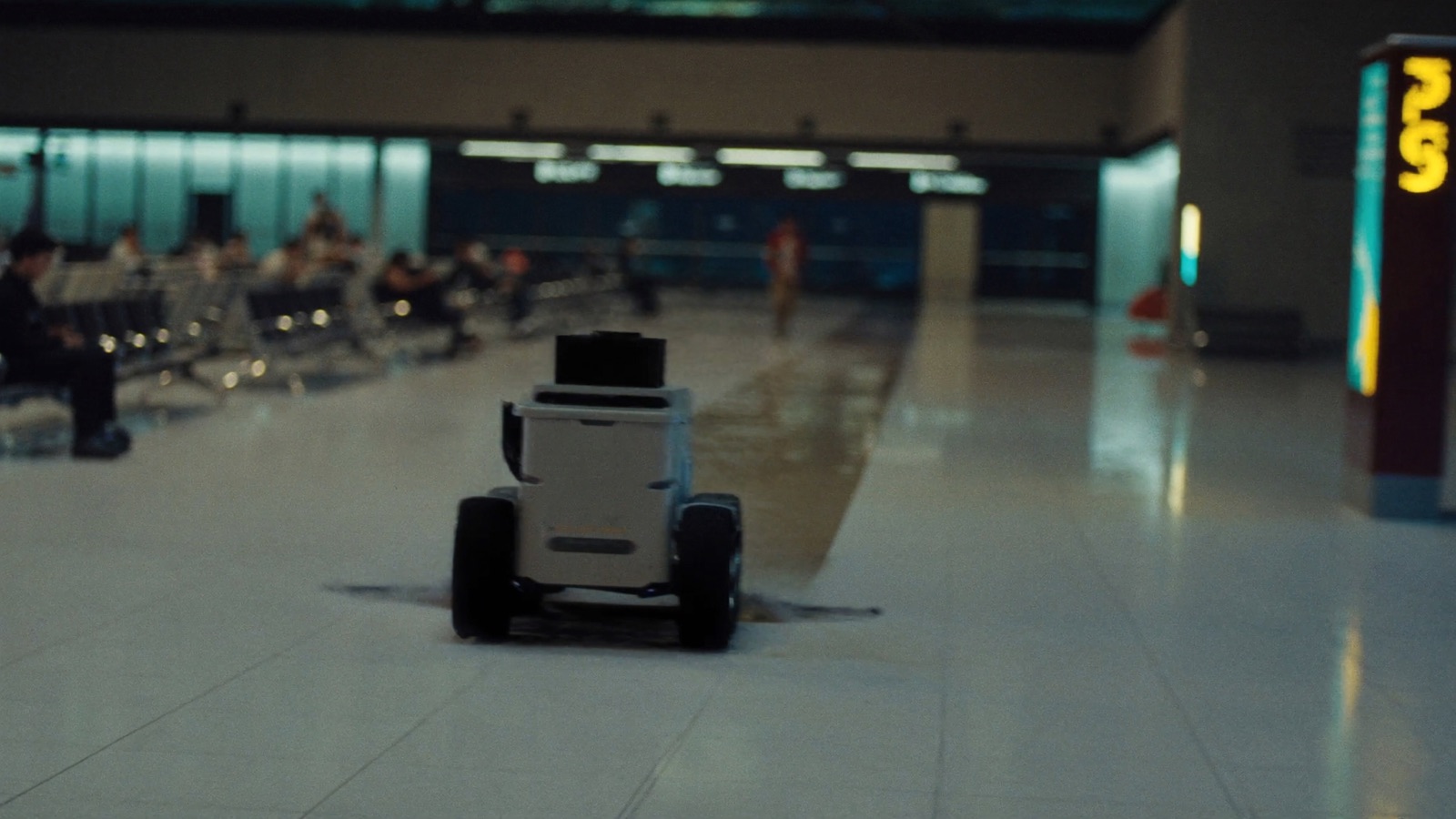
Autonomous floor scrubber — well-deployed: One supervisor managing three to four machines simultaneously. Machines operate on pre-mapped routes during a low-traffic overnight window. The supervisor handles tank refills, obstacle restarts, and post-shift washout. Coverage is consistent, route completion is logged, and the fleet dashboard gives the facilities manager coverage data every morning. Labor hours per 1,000 square feet cleaned are materially lower than manual operation.
Supervisor-led human team — well-run: A trained lead operator and two to three technicians with a mix of manual and powered equipment. The lead assigns zones, monitors work quality, handles exceptions in real time, and adapts to the night's conditions — a spill in one zone, a blocked area in another, a floor section that got missed during a distracted shift. Coverage is not logged automatically, but the lead has direct visibility into every area. Consistency is as good as the team's training and the lead's attention.
Both of these models can produce good cleaning outcomes. The question is which produces better outcomes for your specific facility at your specific cost structure.
Scenario 1: Large open retail floor, overnight (the clearest robot win)
Facility: 120,000 sq ft big-box retail. Open-plan sales floor, consistent aisle layout. 10 PM to 6 AM cleaning window. Floor is cleared of personnel by 11 PM.
| Factor | Autonomous scrubber | Human team |
|---|---|---|
| Labor hours per shift | 2–3 hrs (supervisor × 3 machines) | 6–8 hrs (2-person team) |
| Coverage consistency | High — same route every shift | Variable — depends on team discipline |
| Adaptability to overnight events | Low — stopped by unexpected obstacles | High — team reroutes around issues |
| Coverage documentation | Automatic fleet log | Manual supervisor report (if done) |
| Schedule flexibility | Low — route must be pre-mapped | High — team can shift priority zones |
| Monthly labor cost (loaded) | $1,400–$1,800 | $3,500–$5,000 |
Verdict: Robot wins on labor cost by a wide margin in this scenario. The overnight window is long enough, the layout is consistent enough, and the coverage area is large enough to make the economics clear. This is the scenario vendors build their ROI models on — because it's the one where the robot genuinely outperforms.
Scenario 2: Hospital service corridors, 24-hour operation (the closest call)
Facility: 800-bed hospital, service corridors and public waiting areas totaling 40,000 sq ft of hard floor. Cleaning required around the clock; no guaranteed clear window.
| Factor | Autonomous scrubber | Human team |
|---|---|---|
| Labor hours per shift | 1.5–2.5 hrs (shift-specific deployment) | 3–4 hrs per shift × 3 shifts |
| Coverage consistency | High within mapped zones | Highly variable across 3 shifts |
| Adaptability to spills and events | None — requires human override | High — team responds in real time |
| Compliance documentation | Automatic coverage log | Inconsistent (paper-based or manual entry) |
| Staff-controlled zone access | Limited — robot cannot be directed verbally | High — team lead can direct team in real time |
| Compliance with terminal cleaning protocols | Not applicable (robot for non-clinical zones only) | Required for clinical areas regardless |
| Infection control flexibility | Cannot adjust chemistry in real time | Can switch to required disinfectant on instruction |
Verdict: Neither option is clearly dominant. The robot handles routine corridor cleaning with better consistency than a rotating shift team, which is genuinely valuable in healthcare. But the 24-hour operation means there is no clean window — the robot runs in parallel with foot traffic, increasing stop frequency and reducing effective throughput. Most healthcare Environmental Services departments that use autonomous scrubbers deploy them in specific zones (public lobbies, long corridors) during lower-traffic windows, not as a replacement for the full EVS team. The human team handles clinical areas regardless.
Scenario 3: Mid-sized commercial office, mixed layout (the closest human win)
Facility: 45,000 sq ft, six-floor office building. Each floor has a mix of open-plan workstations, enclosed conference rooms, and a café area. One floor also has a carpeted executive area. Cleaning window: 6 PM to 10 PM.
| Factor | Autonomous scrubber | Human team |
|---|---|---|
| Labor hours per shift | 1.5–2 hrs (supervisor + machine, hard floors only) | 4–5 hrs (2-person team, all surfaces) |
| Net cleanable hard floor area | ~25,000 sq ft (after carpet, restrooms) | All surfaces, ~45,000 sq ft |
| Adaptability to office layout changes | Low — requires remap after furniture moves | High — team adapts same shift |
| Coverage of carpet zones | None | Yes |
| Window duration vs. coverage need | 4-hr window for 25,000 sq ft at 8,000 sq ft/hr ≈ barely covers hard floor | 4-hr window easily covers full facility |
| Monthly labor cost comparison | Robot supervisor + manual team for carpet = approximately equivalent | Single team cost |
Verdict: The human team wins or ties in this scenario. The hard-floor coverage area is small enough that the robot's cost advantage erodes. The carpet zones require a manual team regardless. The 4-hour window is tight for full robot coverage of the hard floor after accounting for tank refills. You end up with a robot doing part of the job and a manual team doing the rest — with no meaningful labor reduction, because the manual team was already sized for the full facility.
The decision point for this scenario: if you have 5 or more of these facilities and can deploy the robot fleet across sites with shared supervision infrastructure, the economics shift. A single robot doesn't close the case; a fleet does.
Scenario 4: Distribution center or warehouse, variable layout (the ambiguous case)
Facility: 300,000 sq ft warehouse with epoxy-coated concrete floors. Wide aisles — but pallet positions change nightly based on inventory movements. 24-hour operation with 4-hour low-traffic windows between midnight and 4 AM.
| Factor | Autonomous scrubber | Human team |
|---|---|---|
| Labor hours per shift | 2–3 hrs (supervisor + machine, if obstacle stops are manageable) | 4–6 hrs (2 operators, ride-on scrubbers) |
| Adaptability to nightly layout changes | Low — frequent obstacle stops | High — team navigates nightly changes |
| Coverage in variable conditions | Degraded — machine stops add 15–40% to effective run time | Consistent — operators route around obstacles |
| Coverage documentation | Automatic | Manual |
| Cost comparison | Lower if obstacle stops stay below ~4/hr | Lower if obstacle stops make robot inefficient |
Verdict: This scenario is genuinely ambiguous and depends on how dynamic your warehouse layout is. If pallet positions in aisle A through D are fixed while positions in aisle E and F vary, the robot can cover A–D reliably while the human team takes E–F. If the entire floor changes nightly, the human team wins on adaptability even if it loses on per-hour cost.
The test to run before signing: during your pilot, log obstacle stop frequency. If the robot stops more than four times per hour, the effective throughput has degraded to the point where a human operator on the same machine would be more productive.
The factors that always favor humans
Regardless of facility type, these factors consistently favor a well-run human team over autonomous equipment:
Spill response. Robots cannot detect and prioritize spills. They follow their route. A human team can receive a radio call and redirect immediately.
Judgment at compliance boundaries. Healthcare, food service, pharmaceutical — any facility with regulated cleaning protocols requires human judgment about when to deviate from the standard route for compliance reasons.
Appearance-based quality assessment. Robots measure coverage area. They do not assess whether the floor is visually clean, which is ultimately the standard customers and inspectors apply.
Novel situations. A floor that has just been waxed and needs a specific solution, a stain that requires dwell time and manual scrubbing, a debris type the machine cannot handle. Humans adapt. Robots stop.
The factors that always favor robots
Consistency across time. Robots run the same route at the same quality every shift. Human teams vary — the same technician on a Tuesday night after a short-staffed Monday will not perform identically to a Friday night with a full team. If your QC process shows high variability in cleaning outcomes across shifts, that is a strong signal the robot's consistency is worth paying for.
Data. Every machine run produces a coverage log, an obstacle stop count, a solution consumption record. These data points let you identify specific problem zones, measure coverage trends over time, and build a defensible record for compliance audits or client reporting. Human teams, even well-run ones, produce this data only if someone is logging it manually — which they usually aren't.
Labor market independence. Cleaning labor turnover in the U.S. commercial sector runs at 30 to 50 percent annually. Every departure is a training event, a coverage disruption, and a quality variance risk. A robot doesn't quit on a Thursday night.
The scenario where neither wins
A single autonomous scrubber in a 35,000-square-foot mixed-use facility, running one shift per day, with a 1:1 supervisor-to-machine ratio, cleaning hard floors only, while a separate manual team covers restrooms and carpet.
In this scenario, the total labor cost equals or exceeds the manual-only model, the robot adds capital cost and maintenance overhead, and the facilities manager now has two cleaning systems to coordinate instead of one.
This is the most common failed cleaning robot deployment — not because the robot doesn't work technically, but because the deployment was undersized for the economics to close.
The minimum viable deployment for the robot economics to outperform the human team in most commercial facilities is: 70,000+ sq ft of contiguous hard floor, a supervision ratio of at least 3:1, and two or more cleaning cycles per day.
Next in this series: operator training — the line item most facilities skip, and the one most responsible for underperforming deployments in year one.