Where Service Robots Earn Their Keep — and Where Staff Still Wins
The product category is real. The use-case fit is not universal.
The robot works. That is almost never the question anymore.
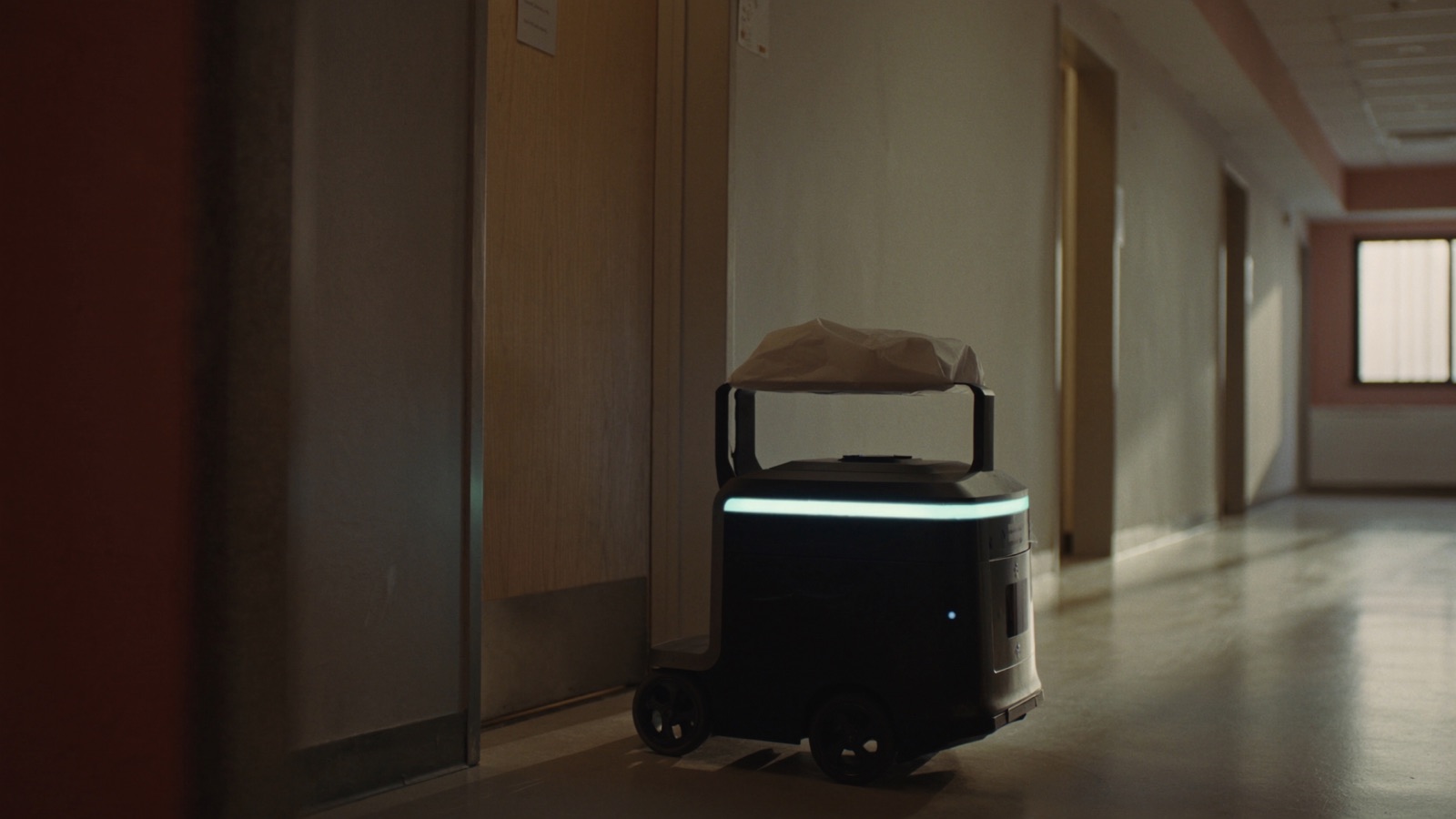
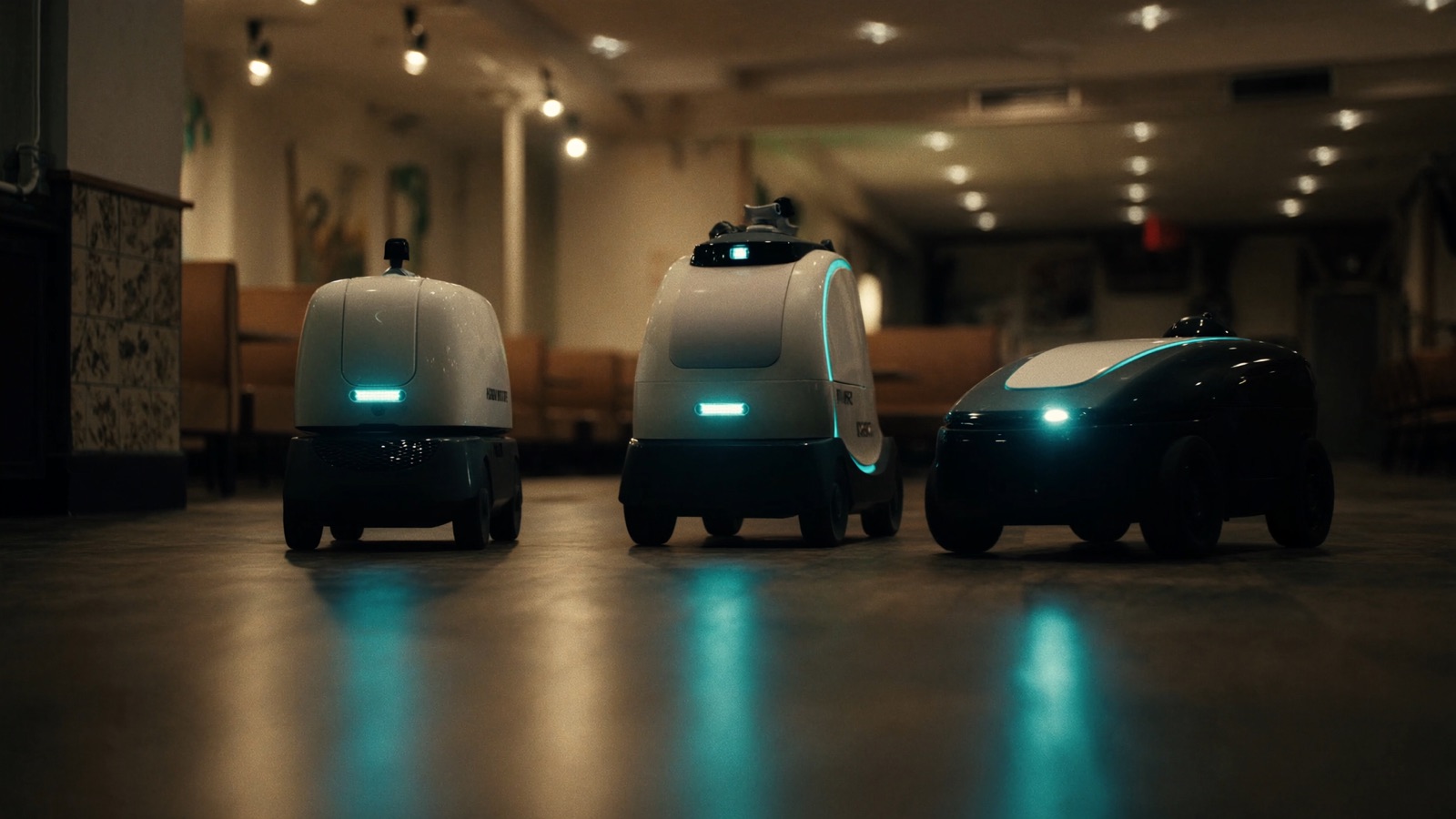
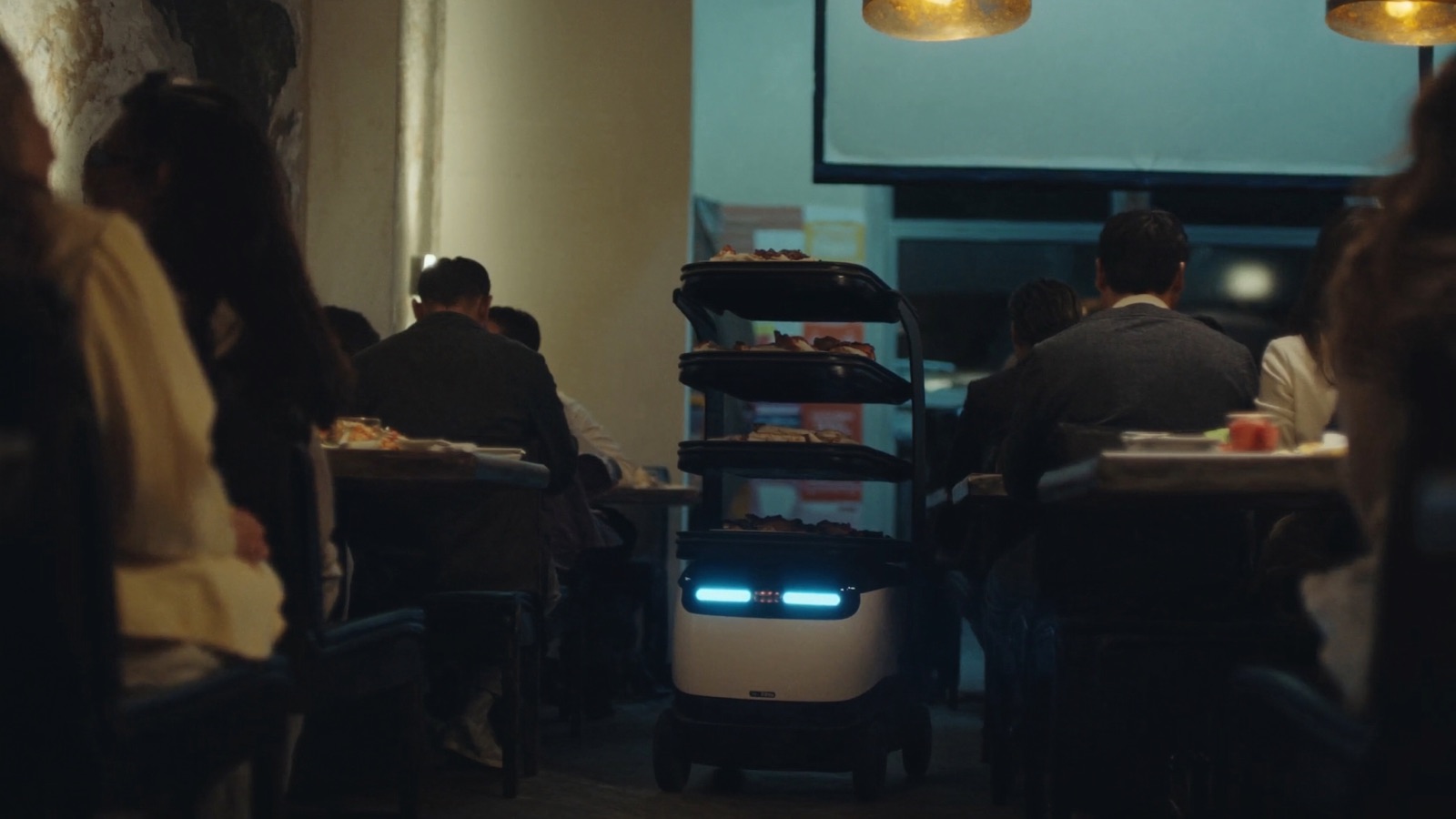
Pudu's BellaBot navigates a crowded restaurant floor with 40 kg of plates without spilling. Bear Robotics' Servi Plus runs a full dinner shift without stopping. Keenon's T10 handles hotel corridor deliveries in the dark. These are proven platforms with tens of thousands of units deployed globally across restaurants, hotels, retail stores, and senior care facilities.
The question — the one that determines whether a service robot purchase becomes an operational tool or an expensive demonstration — is whether the job you have actually fits the operating envelope of the machine.
Most buyers who regret service robot purchases didn't buy a broken robot. They bought the right robot for someone else's floor.
This guide maps the four primary deployment sectors against the conditions that drive real returns, the conditions that undermine them, and the specific use cases where staff still outperforms hardware.
The Four Sectors, Mapped
Restaurants
Restaurants are where service robots found their earliest commercial traction, and the fit is not universal within the category.
The use cases that generate consistent returns share three properties: high repetition, predictable routes, and large volume. A robot running food from a kitchen pass to a fixed set of tables — the same route, dozens of times per shift, in a layout that doesn't change between Monday and Saturday — is doing exactly what it is optimized for.
Where robots win in restaurants:
- Food running in high-volume, mid-price casual dining. The ticket economics work when average check is high enough to justify the amortized per-delivery cost, but labor cost is a real constraint. In markets where a food runner earns $18–$22/hour with benefits, the math closes on a robot at $16k purchase or $293–$2,430/month RaaS at volumes above roughly 150 deliveries per shift.
- Bussing and plate clearing. Servi Plus was specifically designed with a second loading position for dirty plates. Running busboy labor on a robot during peak shifts frees staff for guest interaction during the moments that drive tips and return visits.
- Bar-to-table relay in two-level restaurants. The physical effort of carrying trays up stairs is a fatigue and liability issue. Robots handle the horizontal leg; staff handle the vertical hand-off.
Where staff wins in restaurants:
- Fine dining. The service standard at a tasting-menu restaurant is a choreographed conversation. A robot that rolls to Table 6 and waits to be unloaded breaks the ritual. Guest spend in fine dining correlates with the quality of the interaction, not the efficiency of the delivery. The robot's value proposition — high-frequency, low-touch delivery — is the opposite of what fine dining sells.
- Small-format, low-volume operations. A 35-seat neighborhood bistro doing 80 covers a night has no utilization case. At 10 deliveries per hour, the robot's per-delivery amortized cost never drops to a level that competes with sharing a food runner between three tables.
- Unpredictable layouts. Restaurants that reconfigure for private events, push tables together for large parties, or have irregular seasonal terraces present obstacle environments the robot handles poorly. Every significant floor reconfiguration requires remap time, and frequent remaps eat into the labor hours the robot was supposed to save.
Hotels
Hotels present a wider range of use cases than restaurants, and the fit varies significantly by property type and delivery pattern.
Where robots win in hotels:
- Room amenity delivery during low-staff overnight shifts. A hotel running a skeleton crew from midnight to 6 AM has a genuine problem: a guest requests extra towels and a staff member has to interrupt maintenance rounds to make the delivery. A robot that accepts a dispatch from the front desk, navigates to the room, and notifies the guest via in-room panel solves a real operational gap without adding headcount. The utilization rate doesn't need to be high — even 10 deliveries per night justifies the hardware against the labor alternative.
- Multi-unit properties and extended-stay. Corridor-heavy layouts where the physical distance between front desk and room is long reward robot efficiency. Extended-stay guests make more in-room requests (kitchen supplies, laundry, supplies) than transient business travelers, generating the repeat volume that amortizes hardware.
- Back-of-house linen and supply runs. Moving folded linen from the laundry room to housekeeping carts on upper floors is physically demanding and low-skill work. Pudu's PuduBot 2S and similar platforms handle this without the staffing or injury-risk profile of assigning a housekeeper to run supply loops.
Where staff wins in hotels:
- Lobby and concierge interactions. Guests arriving at a hotel lobby want acknowledgment, direction, and problem-solving. A greeter robot that can answer "where is the pool?" in three languages sounds useful in a demo. In operation, guests who need nuanced help — navigating a noise complaint, rebooking due to an error, managing a reservation for a large group — route around the robot to the nearest human within 90 seconds. The robot becomes an expensive FAQ page.
- Properties under 150 rooms. At lower volume, the per-delivery math rarely works. Smaller properties also tend to have simpler floor layouts where a staff member can make a delivery in under five minutes. The robot doesn't save enough time to justify the capital.
- Properties without elevator API access. Multi-floor delivery requires elevator integration. KONE, Otis, and Schindler all publish APIs, but integration engineering between the robot's fleet management system and a specific elevator controller at an existing property is a project, not a plug-in. Properties with legacy elevator hardware that doesn't support API calls cannot automate multi-floor delivery without major capital investment in elevator upgrades.
Retail
Retail is the sector where service robot deployment is most uneven. The installed base is significant — BellaBot Pro's launch specifically called out Carrefour, Walmart, and KFC as deploying units — but the use-case fit varies dramatically by store format.
Where robots win in retail:
- In-store customer assistance at large-format stores. A 120,000-square-foot grocery or home improvement store where "do you know where the X is?" is a constant staff interruption creates a real case for a robot that can navigate to the item's location and display it on a screen. The robot doesn't eliminate the need for staff; it absorbs the low-complexity location queries that consume staff time without advancing a sale.
- Click-and-collect pickup zones. Robots that shuttle completed online orders from a back-room staging area to a pickup counter reduce the physical effort and staff time in the pickup workflow. The route is fixed, the volume is predictable, and the robot doesn't need to interact with customers — just move boxes.
- Promotional sampling and product demonstration. BellaBot Pro's advertising panel capability has found a secondary use in retail: displaying promotional content while moving through store aisles. The robot becomes a mobile endcap. This is not a labor-saving use case — it's a marketing spend — but it generates measurable incremental revenue in the right product categories.
Where staff wins in retail:
- Sales-driven environments. Electronics, jewelry, luxury goods, and specialty retail sell through conversation. A customer deciding between two televisions needs a human who understands the difference and can read buying signals. No current service robot navigates that interaction.
- Small-format retail. A 2,000-square-foot boutique has no meaningful use for a robot. The walking distances are trivial, the layout is simple, and a single staff member can handle the full floor. The robot would be an obstacle.
- High-SKU environments with frequent restocking. Robots navigating between shelves in a constantly-changing stock layout require frequent remap updates. In a grocery store where an aisle's product arrangement shifts with every weekly promotional reset, remap labor partially offsets the operational savings.
Senior Care
Senior care facilities present some of the strongest utilization arguments for service robots — and some of the highest implementation risks.
Where robots win in senior care:
- Meal delivery to resident rooms. BellaBot has been deployed at multiple U.S. senior care facilities including Army Residence Community and Civitas Senior Living for meal delivery. The benefit is double: it reduces the physical burden on care staff who are already managing residents with high needs, and it frees CNAs to spend time on personal care interactions during delivery runs rather than pushing food carts.
- Medication and supply runs between nursing stations. Fixed routes between storage and care stations represent ideal robot territory: predictable path, no guest interaction required, high frequency. The robot doesn't dispense medications — that remains a licensed-staff function — but it moves sealed supply carts so staff don't have to.
- Night-shift logistics. The lowest staffing levels coincide with some of the highest logistics demands (restocking overnight supplies, moving linen, responding to room requests). A robot running at 3 AM on a pre-mapped route doesn't require a minimum wage premium for unsocial hours.
Where staff wins in senior care:
- Any interaction requiring emotional presence. Residents in memory care, skilled nursing, and assisted living have documented evidence that human interaction is therapeutically significant. A robot delivering a meal tray is a delivery; a CNA delivering a meal tray can also notice that a resident seems distressed, initiate a brief conversation, or alert clinical staff to a change in presentation. These are not edge cases — they are routine care functions.
- Facilities with irregular or frequently-reconfigured layouts. Memory care units in particular are sometimes designed with deliberate routing complexity to prevent wandering. This complexity is exactly what defeats robot navigation. A robot optimized for straight-corridor hotel delivery will struggle in a curved, deliberately-confusing memory care layout.
- Facilities with very low floor density. A 40-bed assisted living facility where rooms are spread across two wings may not generate the delivery volume to justify a dedicated robot over a part-time employee.
The Utilization Threshold
Across all four sectors, the single most reliable predictor of a service robot ROI case is delivery volume. Below roughly 80–100 meaningful deliveries per day, the amortized cost per delivery almost never competes with labor at prevailing market rates.
The calculation is simple enough to do on a napkin:
- Take the robot's annualized cost: hardware amortized over 3 years + software + support. For a purchased BellaBot at $15,900 with a $335/month service plan, that's roughly $9,300/year.
- Divide by estimated annual deliveries. At 100/day × 300 operating days, that's 30,000 deliveries. Cost per delivery: $0.31.
- Compare to the labor alternative: a food runner at $18/hour who can run 20 deliveries per hour costs $0.90 per delivery.
At 100 deliveries/day, the robot wins. At 30 deliveries/day, the math inverts.
The mistake most buyers make is estimating volume from peak capacity rather than actual volume. A restaurant that does 300 covers on Saturday night and 80 on a Tuesday should model Tuesday, not Saturday. The robot runs every day.
The Cases That Look Good But Aren't
Three configurations appear frequently in vendor proposals and almost never close an ROI case in practice:
The novelty greeter. A robot in a hotel lobby or retail store entrance that greets guests, answers FAQs, and generates social media interest. The ROI case is marketing reach, not labor savings. If you're buying it as a marketing investment, underwrite it as marketing. If you're buying it as an operations tool, don't — it isn't one.
The single-floor pilot that "can expand later." A hotel that deploys a robot on one floor with a plan to add elevator integration "once we prove the concept" has built the pilot around the easy case and deferred the expensive problem. Floor-one delivery is rarely the actual pain point. Multi-floor overnight delivery is. The pilot proves the easy version; the expansion requires re-underwriting the whole project.
The senior care feel-good buy. A robot purchased because it looks innovative in a facility marketing brochure, positioned as "companion technology" for residents, but not wired into any actual logistics workflow. This is a category of purchase that generates press coverage and does not generate measurable operational savings. It also raises expectations among families and residents that are hard to walk back when the robot is eventually parked in a corner.
What This Means for Your Evaluation
The robots in the current service robot market — BellaBot, Servi Plus, Keenon T10, OrionStar Lucki, and their competitors — are differentiated products worth comparing carefully. But no comparison between products is useful until you've first established that the job you have generates the volume to justify any of them.
Before comparing vendors: build a one-page utilization model. Estimate daily deliveries. Calculate per-delivery cost at the purchase or RaaS price of your leading candidate. Compare that to what you're paying per delivery in labor today. If the robot wins on that comparison, you have a business case to evaluate further. If it doesn't, changing which robot you buy won't fix the model.
The next article in this series covers TCO in detail across all four sectors — purchase vs. RaaS, support costs, infrastructure, and the three-year model that turns a vendor price sheet into a real number.