DEEBOT N8 PRO+ vs Matrix10 Ultra Robot Vacuum
Side-by-side comparison of DEEBOT N8 PRO+ (ECOVACS) and Matrix10 Ultra Robot Vacuum (Dreame) — specs, pricing, Robo Index, and verified deployments. Updated daily.
Optimize comparison for buyer
Optimized for Hospitality & F&B buyers. Priority specs lifted to the top and marked with a target.
Layer 1: Identity & Trust
Manufacturer Country
- DEEBOT N8 PRO+China
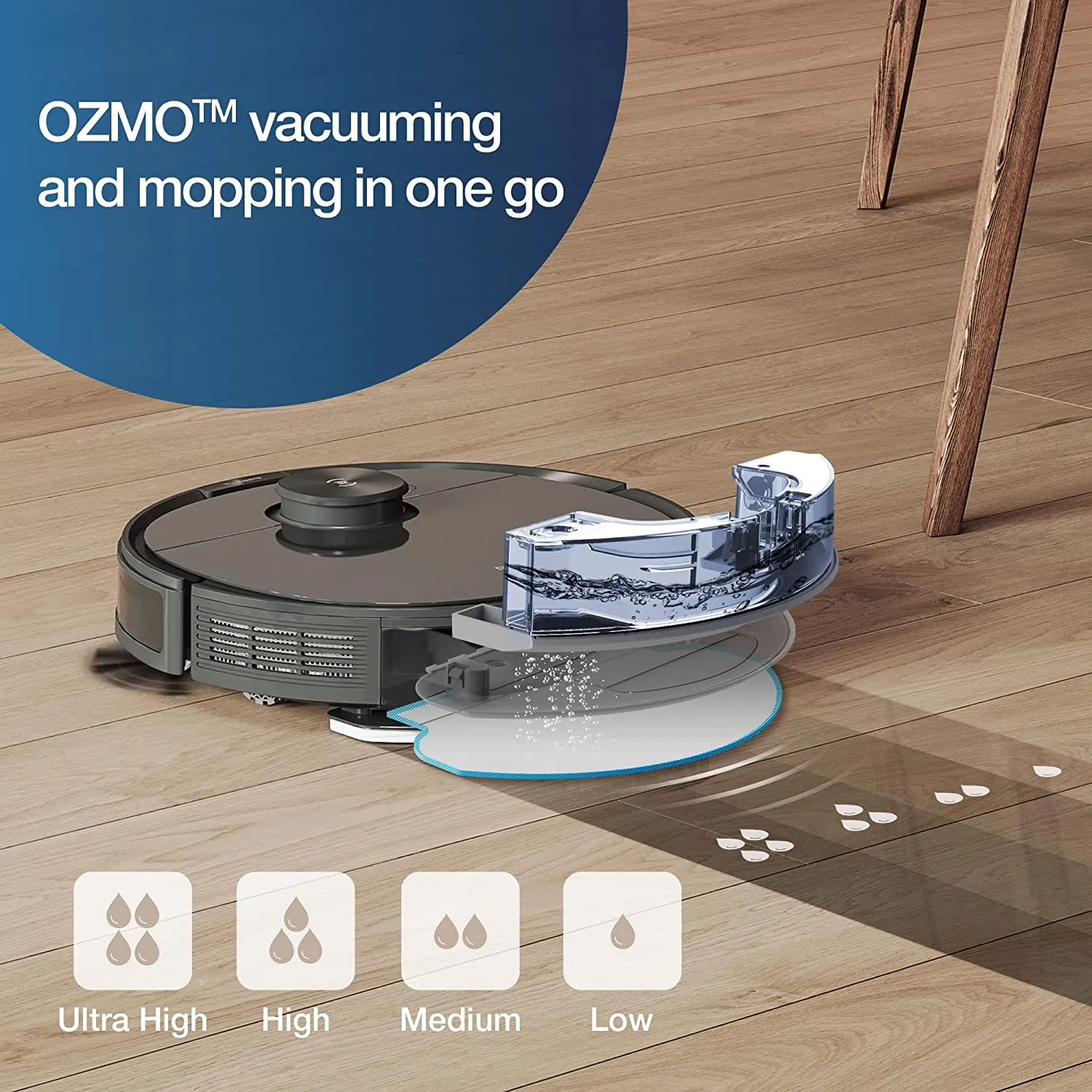
- Matrix10 Ultra Robot VacuumChina
Year First Available
- DEEBOT N8 PRO+2024
- Matrix10 Ultra Robot Vacuum—
Verified Deployments
- DEEBOT N8 PRO+0 Deployments
- Matrix10 Ultra Robot Vacuum0 Deployments
Layer 2: Operational
Price Range (USD)
- DEEBOT N8 PRO+$315 USD
- Matrix10 Ultra Robot Vacuum$1,800 USD
Battery / Shift Runtime
- DEEBOT N8 PRO+6.5 hrs
- Matrix10 Ultra Robot Vacuum3.2 hrs
Availability Status
- DEEBOT N8 PRO+ACTIVE
- Matrix10 Ultra Robot VacuumACTIVE
Layer 3: Category Specific
| ||
|---|---|---|
| Layer 1: Identity & Trust | ||
| Manufacturer Country | China | China |
| Year First Available (values differ) | 2024 | — |
| Verified Deployments | 0 Deployments | 0 Deployments |
| Layer 2: Operational | ||
| Price Range (USD) (values differ) | $315 USD | $1,800 USD |
| Battery / Shift Runtime (priority for Hospitality & F&B buyers) (values differ) | 6.5 hrs | 3.2 hrs |
| Availability Status | ACTIVE | ACTIVE |
| Layer 3: Category Specific | ||
Insufficient data for full comparison
The following fields had no data for any of the selected robots: Payload Capacity, Reach, Max Speed, IP Rating, Autonomy Level
best in categoryweakest in categoryvalues differ
Trade-offs at a glance
Frequently asked
Who makes DEEBOT N8 PRO+ and Matrix10 Ultra Robot Vacuum?
DEEBOT N8 PRO+ is made by ECOVACS, based in CN. Matrix10 Ultra Robot Vacuum is made by Dreame, based in CN.
How much does DEEBOT N8 PRO+ cost compared to Matrix10 Ultra Robot Vacuum?
DEEBOT N8 PRO+ is listed at $315. Matrix10 Ultra Robot Vacuum is listed at $1,800.
How do DEEBOT N8 PRO+ and Matrix10 Ultra Robot Vacuum compare on the Robo Index?
DEEBOT N8 PRO+ grades AA on the Robo Index. Matrix10 Ultra Robot Vacuum grades BBB. The Robo Index is a credibility grade (AAA … C) that blends commercial maturity, verified deployments, company standing, and independent coverage — see methodology for the full breakdown.
Are DEEBOT N8 PRO+ and Matrix10 Ultra Robot Vacuum in the same category?
Both robots are classified as Home Cleaning on Robolist. Filters and ranking treat them as direct alternatives.
What should a buyer ask vendors when choosing between DEEBOT N8 PRO+ and Matrix10 Ultra Robot Vacuum?
Spec sheets only show part of the story. Useful vendor questions cover support, lifecycle, integration cost, and references. We have a buyer-focused checklist: The hidden specs vendors hope you'll miss.
Want to be notified when specs or pricing change for these robots? Drop your email.
About this comparison
DEEBOT N8 PRO+ vs Matrix10 Ultra Robot Vacuum compares two robots in the home-cleaning category. All data is sourced from manufacturer spec sheets, verified deployments, and third-party filings; see our methodology for how the Robo Index is calculated.