HC20DTP vs LBR iisy 6 R1300
Side-by-side comparison of HC20DTP (Yaskawa) and LBR iisy 6 R1300 (KUKA Robotics) — specs, pricing, Robo Index, and verified deployments. Updated daily.
Optimize comparison for buyer
Optimized for Last-Mile Delivery buyers. Priority specs lifted to the top and marked with a target.
Layer 1: Identity & Trust
Manufacturer Country
- HC20DTPJapan
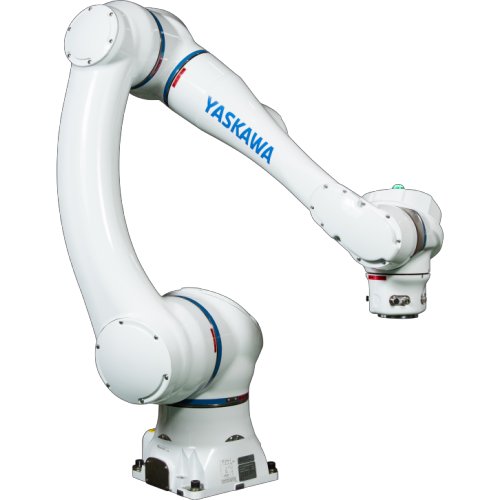
- LBR iisy 6 R1300Germany
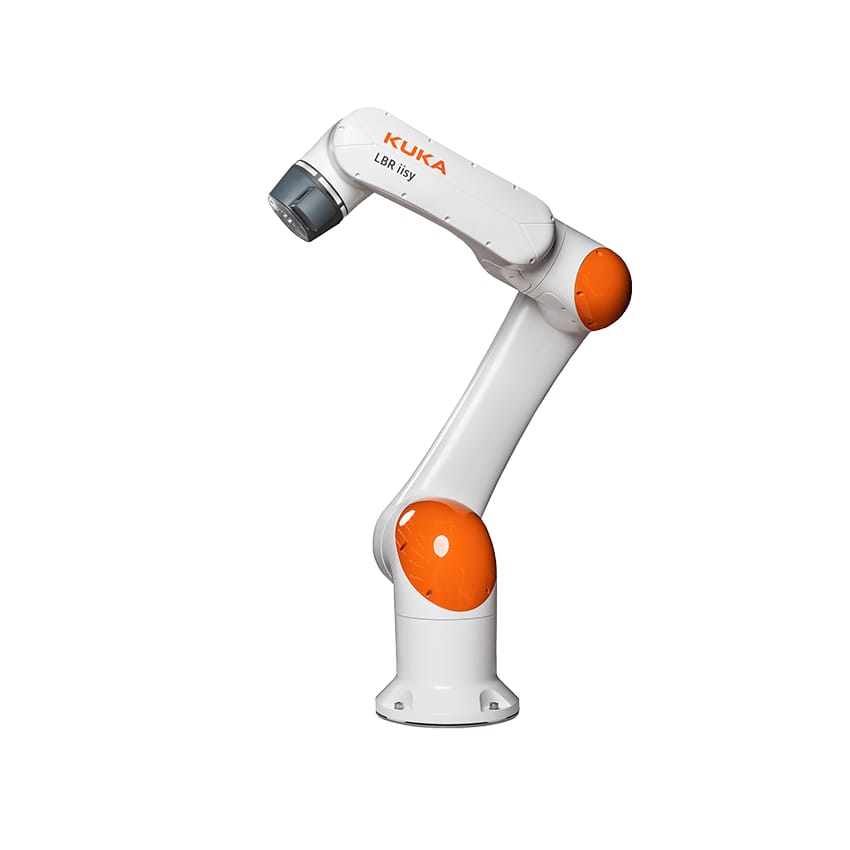
Verified Deployments
- HC20DTP0 Deployments
- LBR iisy 6 R13000 Deployments
Layer 2: Operational
Price Range (USD)
- HC20DTP$32,000–$59,000 USD
- LBR iisy 6 R1300$30,332 USD
Availability Status
- HC20DTPACTIVE
- LBR iisy 6 R1300ACTIVE
Arm Mechanics
Payload
- HC20DTP20 kg
- LBR iisy 6 R13006 kg
Max TCP Speed
- HC20DTP2 m/s
- LBR iisy 6 R1300—
IP Rating
- HC20DTPIP67
- LBR iisy 6 R1300IP54
Reach
- HC20DTP1,700 mm
- LBR iisy 6 R13001,300 mm
Degrees of Freedom
- HC20DTP6
- LBR iisy 6 R13006
Repeatability
- HC20DTP±0.05 mm
- LBR iisy 6 R1300±0.05 mm
Robot Weight
- HC20DTP140 kg
- LBR iisy 6 R130046.3 kg
Mounting Options
- HC20DTPceiling, wall, floor
- LBR iisy 6 R1300All directions
Safety
Safety Rating
- HC20DTPCE
- LBR iisy 6 R1300ISO/TS 15066
Force/Torque Sensing
- HC20DTPnone
- LBR iisy 6 R1300none
Ease of Use
Setup Time
- HC20DTP—
- LBR iisy 6 R13000.5 hrs
No-Code Capable
- HC20DTPYes
- LBR iisy 6 R1300Yes
Offline Programming
- HC20DTPNo
- LBR iisy 6 R1300No
Programming Interface
- HC20DTPteach_pendant
- LBR iisy 6 R1300teach_pendant, hand_guiding
Software & Connectivity
Fieldbus Protocols
- HC20DTP—
- LBR iisy 6 R1300EtherCAT, PROFINET, EthernetIP, EtherCAT Slave
Commercial
Price (USD)
- HC20DTP$32,000–$59,000 USD
- LBR iisy 6 R1300$30,332 USD
CaaS / Month
- HC20DTP—
- LBR iisy 6 R1300$1,000
| ||
|---|---|---|
| Layer 1: Identity & Trust | ||
| Manufacturer Country (values differ) | Japan | Germany |
| Verified Deployments | 0 Deployments | 0 Deployments |
| Layer 2: Operational | ||
| Price Range (USD) (values differ) | $32,000–$59,000 USD | $30,332 USD |
| Availability Status | ACTIVE | ACTIVE |
| Layer 3: Category Specific | ||
| Arm Mechanics | ||
| Payload (priority for Last-Mile Delivery buyers) (values differ) | 20 kg | 6 kg |
| Max TCP Speed (priority for Last-Mile Delivery buyers) (values differ) | 2 m/s | — |
| IP Rating (priority for Last-Mile Delivery buyers) (values differ) | IP67 | IP54 |
| Reach (values differ) | 1,700 mm | 1,300 mm |
| Degrees of Freedom | 6 | 6 |
| Repeatability | ±0.05 mm | ±0.05 mm |
| Robot Weight (values differ) | 140 kg | 46.3 kg |
| Mounting Options (values differ) | ceiling, wall, floor | All directions |
| Safety | ||
| Safety Rating (values differ) | CE | ISO/TS 15066 |
| Force/Torque Sensing | none | none |
| Ease of Use | ||
| Setup Time (values differ) | — | 0.5 hrs |
| No-Code Capable | Yes | Yes |
| Offline Programming | No | No |
| Programming Interface (values differ) | teach_pendant | teach_pendant, hand_guiding |
| Software & Connectivity | ||
| Fieldbus Protocols (values differ) | — | EtherCAT, PROFINET, EthernetIP, EtherCAT Slave |
| Commercial | ||
| Price (USD) (values differ) | $32,000–$59,000 USD | $30,332 USD |
| CaaS / Month (values differ) | — | $1,000 |
Insufficient data for full comparison
The following fields had no data for any of the selected robots: Year First Available, Battery / Shift Runtime, TCP Speed (Collaborative), Power/Force Limiting, Safety I/O Pairs, Duty Cycle, Time to Redeploy, Tool Flange Standard, Tool Changer Support, Integrated F/T Sensor, Wrist Power Supply, SDK Languages, ROS Compatible, Digital Twin Support, MTBF, Path Accuracy, Warranty, Lead Time
best in categoryweakest in categoryvalues differ
Trade-offs at a glance
Frequently asked
Who makes HC20DTP and LBR iisy 6 R1300?
HC20DTP is made by Yaskawa, based in JP. LBR iisy 6 R1300 is made by KUKA Robotics, based in DE.
How do HC20DTP and LBR iisy 6 R1300 compare on the Robo Index?
HC20DTP scores 86/100. LBR iisy 6 R1300 scores 94/100. The Robo Index blends specs, pricing transparency, verified deployments, and independent media coverage — see methodology for the full breakdown.
How does the reach of HC20DTP compare to LBR iisy 6 R1300?
HC20DTP has a reach of 1412 mm. LBR iisy 6 R1300 has a reach of 1300 mm.
Are HC20DTP and LBR iisy 6 R1300 in the same category?
Both robots are classified as Cobot on Robolist. Filters and ranking treat them as direct alternatives.
What is the realistic total cost of ownership for Cobot robots?
Hardware cost is one input. Cobot TCO also includes integration, training, downtime, and end-of-life. Our breakdown: Cobot TCO and Payback Math: Hardware, EOAT, and Zero-Fencing Savings.
What should a buyer ask vendors when choosing between HC20DTP and LBR iisy 6 R1300?
Spec sheets only show part of the story. Useful vendor questions cover support, lifecycle, integration cost, and references. We have a buyer-focused checklist: Cobot Vendor Red Flags: Questions That Filter Out the Marketing.
Going deeper — picking the right robot
Cobot TCO and Payback Math: Hardware, EOAT, and Zero-Fencing Savings
6 min readCollaborative Robots
Cobot Vendor Red Flags: Questions That Filter Out the Marketing
9 min readCollaborative Robots
Running a Cobot Pilot in a Manual Production Line
9 min readCollaborative Robots
Build vs buy vs lease: which model fits a first deployment
8 min readChoosing Your First Robot
The hidden specs vendors hope you'll miss
10 min readReading the Spec Sheet
Want to be notified when specs or pricing change for these robots? Drop your email.
About this comparison
HC20DTP vs LBR iisy 6 R1300 compares two robots in the cobot category. All data is sourced from manufacturer spec sheets, verified deployments, and third-party filings; see our methodology for how the Robo Index is calculated.