Overview
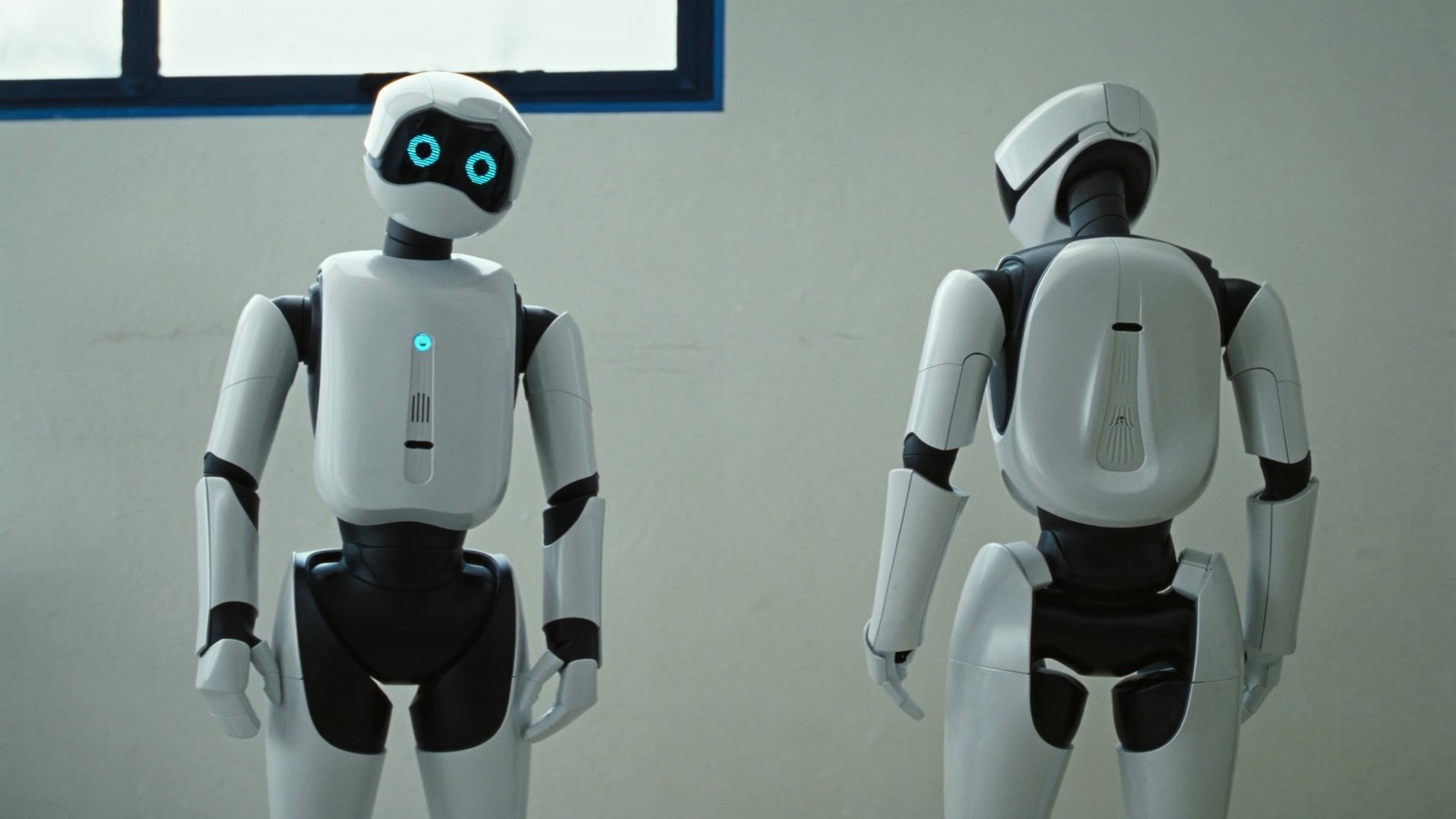
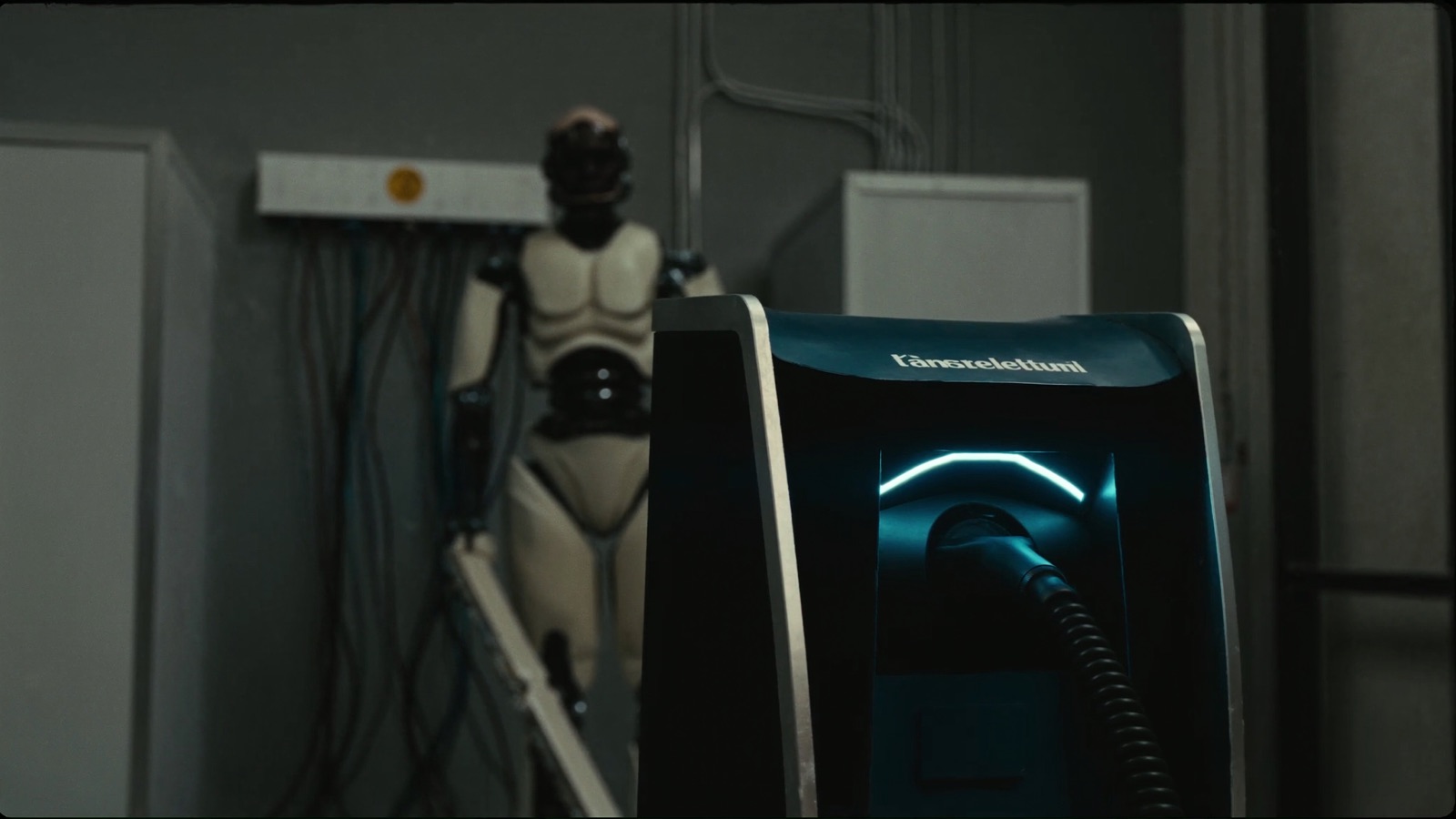
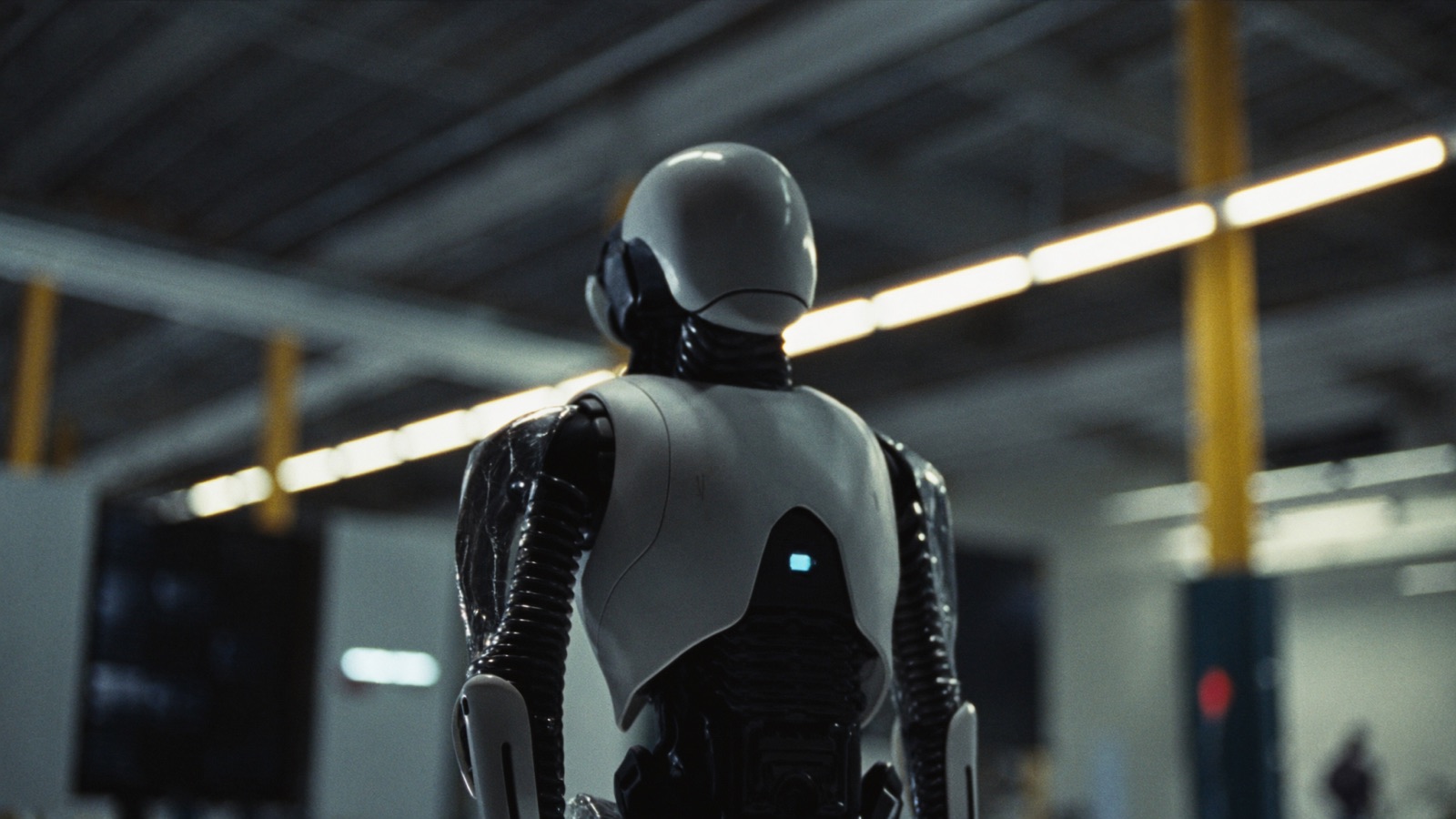
Humanoid robots are bipedal or pseudo-bipedal robots designed with a human-like form factor — torso, two arms, two legs (or wheeled base), and often a head with sensors. The defining bet behind humanoids is that the world is already designed for humans — doors, stairs, tools, vehicles, workstations — so a robot that fits human form factors can deploy into existing environments without facility modification.
The category is in a rapid commercialization phase as of 2025–2026. Earlier work (Honda ASIMO, Boston Dynamics Atlas) was R&D; today's wave (Figure, Tesla Optimus, 1X, Agility Digit, Unitree, Apptronik, Sanctuary, Fourier) is racing toward paid pilots and early production deployments in logistics, manufacturing, and select service applications.
Market Snapshot:
- Global humanoid market valued at ~$2.3B in 2024, projected to reach ~$38B by 2035 (Goldman Sachs, BoA estimates vary widely)
- Two distinct camps: Western premium (Figure, 1X, Apptronik, Agility, Sanctuary — $30k–$200k+) and Chinese aggressive-priced (Unitree, Fourier, UBTECH, XPENG, AgiBot, Limx, EngineAI — $5k–$80k)
- Most units sold in 2024-2025 are still R&D / developer / academic rather than commercial production
- First true commercial deployments at scale: Agility Digit at GXO Logistics (2024), Figure 02 at BMW Spartanburg (2024–2025), Apptronik Apollo at Mercedes (pilot)
- Form factor variations: bipedal (Atlas, Digit, Optimus), wheeled humanoid (Apptronik Apollo wheel base option, Sanctuary Phoenix, some Fourier variants), legless torso-on-base (variants exist for static workstation work)
Humanoid Sub-Categories
| Sub-Type |
What It Is |
Best For |
Example Models |
| Full bipedal humanoid |
Two legs, walking on flat and uneven terrain |
Logistics, manufacturing where stairs/curbs exist |
Figure 02, Tesla Optimus, Atlas (Electric), Digit, Optimus Gen-2 |
| Wheeled humanoid |
Humanoid torso/arms on a wheeled base |
Static workstation tasks, flat warehouse environments |
Sanctuary Phoenix, Fourier GR-1 (wheeled variant), some Apptronik configs |
| Pseudo-humanoid (anthropomorphic torso only) |
Two arms + head + sensor stack on fixed or wheeled base |
Bench assembly, lab automation |
UBTECH Walker (variants), Pollen Reachy 2 |
| Research / Developer Platform |
Humanoid hardware sold for software development, not turnkey deployment |
Academic research, foundation model training |
Unitree H1/G1, Booster T1, Fourier GR-1, EngineAI SE01 |
| Service / Reception Humanoid |
Stationary or low-mobility, focused on human interaction |
Reception, retail, healthcare companion |
Pepper (legacy), some XPENG / UBTECH consumer variants |
Buyer Personas
| Persona |
Primary Motivation |
What They're Actually Buying |
| Manufacturing R&D / Innovation Lead (Tier-1 OEM) |
Future-proof labor strategy, executive optics, pilot data |
A 2-3 year strategic pilot, not a production tool yet |
| Warehouse / Logistics Innovation Manager |
Replace high-turnover manual labor (case picking, trailer unloading) |
First-pilot showcase + path to scale by 2027–2028 |
| AI / Robotics Researcher (Academic or Corporate Lab) |
Embodied AI training, foundation model R&D, teleop data collection |
Hardware platform with strong SDK and broad sensor stack |
| VC-Backed Startup Founder |
Build a robotics or labor application company on top of a humanoid platform |
Reliable hardware + open API + favorable per-unit economics |
| Government / Defense (selected) |
Disaster response, hazardous environment access, dual-use research |
Ruggedized variant + sovereignty considerations on origin |
| Hedge Fund / PE Strategic Investor |
Track ground-truth on commercialization timeline |
Reference customer access, deployment data, not robots themselves |
| Consumer / Prosumer (very early) |
Curiosity, status, software dev hobbyist |
Sub-$50k research-grade unit (Unitree G1, EngineAI, Booster) |
Spec Reference
Physical Form Factor — "Can It Move Through My Space?"
| Spec |
Plain English |
Industry Range |
Sweet Spot |
Why It Matters to Buyer |
height_cm |
Standing height |
80–185 cm |
150–175 cm |
Determines whether the robot can reach standard workbench heights (90 cm), shelf top racks (180 cm), and fit through standard doorways (200 cm). Sub-150 cm humanoids cannot reach typical shelf heights. |
weight_kg |
Total robot mass |
25–150 kg |
50–80 kg |
Heavier humanoids are more stable but consume more energy and pose greater fall-impact risk. Floor loading can matter for elevators (typical max 1100–1600 kg combined). |
payload_continuous_kg |
Sustained carrying capacity (each arm or both arms combined — verify which) |
5–25 kg per arm |
15–20 kg per arm |
Logistics use cases (case picking, totes) require ≥10 kg per arm. Most published "payload" figures are short-duration peaks — ask for sustained capacity. |
payload_peak_kg |
Maximum momentary lift capacity |
10–40 kg |
20–25 kg per arm |
Peak vs continuous is a critical distinction. Can lift 40kg for 5 seconds ≠ can carry 40kg across a warehouse. |
degrees_of_freedom_total |
Total independent joints across the whole robot |
20–55 DOF |
28–40 DOF |
More DOF = more dexterous but exponentially harder to control. 28 DOF is typical for industrial humanoids; 40+ for advanced manipulation research. |
arm_dof |
DOF per arm (excluding hand) |
6–7 DOF per arm |
7 DOF per arm |
7-DOF arms (redundant kinematics like a human shoulder-elbow-wrist) enable obstacle-avoidance and dexterous reach. 6-DOF arms are simpler but less flexible. |
hand_dof |
DOF per hand |
1–22 DOF per hand |
6–11 DOF per hand |
1 DOF = parallel gripper (basic). 6 DOF = enough for most pick tasks. 11+ DOF = anthropomorphic hand for fine manipulation (tool use, in-hand reorientation). |
arm_reach_cm |
How far each arm extends from shoulder |
60–95 cm |
75–85 cm |
Determines workspace volume. Short reach forces the robot to step closer to every task, slowing cycle time and risking footing errors. |
mobility_type |
How the robot moves |
Bipedal walking, wheeled base, hybrid |
Application-specific |
Bipedal = unstructured environments + stairs. Wheeled = flat warehouses, faster, more stable. Hybrid (legs that can roll) is emerging. |
walking_speed_ms |
Top walking velocity (bipedal types) |
0.5–2.5 m/s |
1.0–1.6 m/s |
Human walking speed is ~1.4 m/s. Below 1.0 m/s feels unbearably slow in production environments. |
running_capable |
Can it run / hop |
Static-walk only / Dynamic walk / Run |
Dynamic walk minimum |
Static-walk humanoids are first-gen tech (Pepper-era). Dynamic-walk is the table-stakes for new platforms. Running is a research showcase, rarely a buyer requirement. |
stair_climbing |
Can it ascend/descend stairs |
None / Vendor demo only / Production-ready |
Production-ready (for facility-wide deployment) |
Stair-capable humanoids unlock multi-floor facilities without elevator integration. But almost no vendor can yet do stairs reliably in unstructured environments. |
terrain_capability |
Surfaces it handles |
Flat indoor only / Mild incline / Rough indoor / Outdoor unstructured |
Application-specific |
Most current commercial humanoids are flat-indoor only. Rough/outdoor is reserved for research platforms (Atlas) and a few defense-spec variants. |
Sensors & Perception — "How Does It See the World?"
| Spec |
Plain English |
Industry Range |
Sweet Spot |
Why It Matters to Buyer |
head_cameras |
RGB / RGB-D / stereo cameras in the head |
2–8 cameras |
4 cameras (RGB + RGB-D + stereo pair) |
Vision quality directly drives task capability. Single-camera head = limited depth perception. Multi-camera head = robust manipulation and navigation. |
lidar_present |
Has a LiDAR sensor |
Yes / No |
Application-dependent |
LiDAR adds cost ($500–$3,000) and weight but enables long-range mapping. Pure-vision approaches (Tesla, Figure) bet on cameras; lidar-equipped (Apptronik, Sanctuary) bet on hybrid. |
imu_count |
Inertial measurement units |
1–4 |
2+ (redundant for safety) |
IMUs detect tilts, falls, and impacts. Redundant IMUs allow fall-safe shutdown and recovery. |
force_torque_sensors |
Force-sensing in arms/hands/feet |
None / Wrist only / Wrist + ankle / Full body |
Wrist + ankle minimum |
Wrist F/T enables compliant manipulation. Ankle F/T enables balance and uneven-terrain walking. Full-body F/T is research-grade. |
tactile_sensing |
Touch sensors in fingers/palms |
None / Fingertip only / Distributed |
Distributed (for fine manipulation) |
Crucial for tool use, fine assembly, and gentle handling. Most production humanoids have only fingertip tactile or none. |
microphone_count |
Audio inputs |
0–8 |
4+ array (for voice + spatial audio) |
Microphone arrays enable voice command + acoustic source localization. Important for human-collaborative tasks. |
field_of_view_deg |
Total visual coverage (head turn + camera FoV) |
100–360° |
≥ 180° (with head movement) |
Limited FoV = robot must constantly turn its head. Wider FoV = faster scene understanding. |
vision_processing |
Where vision is processed |
On-device / Edge GPU / Cloud / Hybrid |
On-device or hybrid |
Cloud-only vision = robot freezes when network drops. On-device vision = faster reflexes but requires powerful onboard compute. |
Compute & AI — "What's the Brain?"
| Spec |
Plain English |
Industry Range |
Sweet Spot |
Why It Matters to Buyer |
onboard_compute_tops |
Onboard AI compute (TOPS) |
100–2000+ TOPS |
275–1000 TOPS (NVIDIA Jetson Thor, Orin AGX, custom ASIC) |
Direct lever on perception speed and AI model capability. Sub-100 TOPS limits the robot to scripted behaviors. NVIDIA Thor (Jetson Thor) at 1000+ TOPS is becoming the new norm. |
compute_platform |
Specific processor used |
Jetson Orin AGX, Jetson Thor, Custom NPU, x86+GPU |
Jetson Thor (next-gen) or equivalent |
Jetson AGX Orin = current generation; Thor = next gen. x86+discrete GPU offers flexibility but higher power. Custom ASICs (Tesla Dojo-derivative) lock you to vendor stack. |
power_consumption_avg_w |
Average power draw during operation |
200–2500 W |
400–800 W |
Drives battery sizing and runtime. High-compute humanoids (Atlas-class) burn 1500W+; efficient designs hit 300–500W. |
vlm_capable |
Runs Vision-Language Models onboard |
None / Cloud only / Onboard small VLM / Onboard large VLM |
Onboard small + cloud large hybrid |
VLMs (e.g. GPT-4V, LLaVA, vendor proprietary) enable language-instructed tasks. Onboard VLM = no network dependency. Cloud-only VLM = brittleness at network edge. |
foundation_model_support |
Compatibility with robot foundation models |
Vendor-only / Open (RT-X, OpenVLA) / Both |
Both (for ecosystem flexibility) |
Robot foundation models (RT-X, OpenVLA, NVIDIA GR00T) enable cross-robot skill transfer. Vendor-locked humanoids miss the broader ecosystem improvements. |
teleoperation_supported |
Remote human operation |
Not supported / VR-headset / Glove-based / Full body suit |
VR-headset with hand tracking |
Teleoperation is critical for: data collection (training future autonomy), edge-case task handling, and customer demos. Standard for most current humanoids. |
imitation_learning |
Robot learns from human demonstration |
None / Single-task / Multi-task |
Multi-task with foundation model pretraining |
The dominant paradigm for humanoid skill acquisition in 2024–2026. Without imitation learning capability, every new task requires manual programming. |
Battery & Power — "How Long Can It Work?"
| Spec |
Plain English |
Industry Range |
Sweet Spot |
Why It Matters to Buyer |
battery_capacity_kwh |
Energy storage |
0.5–8.0 kWh |
1.5–3.0 kWh |
Determines runtime. Higher capacity = heavier robot. The trade-off between battery weight and runtime is fundamental humanoid engineering. |
runtime_hours |
Continuous operation time on one charge |
0.5–8.0 hours |
2–4 hours |
Most current humanoids run 1–3 hours per charge. Compare to a human shift (8 hours) — humanoids are not yet shift-replacement-grade without battery swap. |
charging_time_hours |
Empty to full |
0.5–4.0 hours |
< 2 hours |
Fast charging enables more uptime per day. Many humanoids use proprietary fast-charge docking. |
battery_swap_supported |
Hot-swap fresh battery |
Not supported / Tool-required / Tool-less hot-swap |
Tool-less hot-swap |
Battery swap is the path to multi-shift operation. Currently rare in production humanoids — most still require docked charging. |
charging_method |
How the robot charges |
Tethered cable / Auto-dock / Wireless |
Auto-dock or wireless |
Manual tethering requires a human in the loop. Auto-dock = true autonomy. Wireless is emerging but typically slower. |
tethered_operation_available |
Can it run plugged in (no battery limit)? |
Yes / No |
Yes (for static workstation tasks) |
Static workstation humanoids (assembly, lab work) can run tethered indefinitely — eliminates battery as a constraint for non-mobile use. |
Manipulation & Dexterity — "Can It Actually Use Hands?"
| Spec |
Plain English |
Industry Range |
Sweet Spot |
Why It Matters to Buyer |
gripper_type |
End-effector style |
Parallel jaw / 3-finger / 4-finger / 5-finger anthropomorphic |
5-finger anthropomorphic OR application-matched parallel gripper |
5-finger hand = tool use + fine manipulation. Parallel gripper = robust pick-and-place. Mixed-task humanoids increasingly default to 5-finger. |
grip_strength_n |
Maximum grip force |
20–500 N |
100–250 N |
A 100N grip can lift typical retail items; 250N lifts case-of-water-bottles. Below 50N limits the robot to lightweight pick-and-place. |
finger_dof |
DOF per finger |
1–4 |
2–3 (most fingers); 3+ (thumb) |
More finger DOF = more grasp poses. Anthropomorphic 22-DOF hands (Sanctuary, Shadow Robot) are research-grade; 11–16 DOF hands are emerging production standard. |
manipulation_repeatability_mm |
Position precision when manipulating |
1–20 mm |
≤ 5 mm |
Critical for precise assembly, electronics work. Most humanoids have repeatability of 5–15mm — much worse than industrial arms (±0.05mm). |
bimanual_coordination |
Two arms working together on one task |
None / Independent / Coordinated planning / Full bimanual |
Coordinated planning minimum |
Carrying a tray, opening a jar, two-hand assembly all require bimanual coordination. A surprising number of humanoids cannot bimanually coordinate well. |
tool_use_capability |
Can it use external tools (drill, screwdriver)? |
None / Vendor demo / Production-validated |
Vendor demo minimum (production-validated rare) |
Tool use is what makes humanoids economically interesting. As of 2025, almost no humanoid does tool use reliably in production — but pilots are emerging. |
Safety — "Will It Hurt Someone?"
| Spec |
Plain English |
Industry Range |
Sweet Spot |
Why It Matters to Buyer |
safety_standards |
Certifications |
Generally NOT yet certified to ISO/TS 15066 |
Application-specific risk assessment + best-effort compliance |
Humanoid-specific safety standards are still being written. Most current humanoids cannot be deployed in human-shared spaces without bespoke risk assessment. |
force_limited_arms |
Arms have force-limiting safety |
None / Software only / Hardware + software |
Hardware + software |
Without hardware-level force limiting, a humanoid arm impact can cause serious injury. ISO/TS 15066 force limits should be the design target. |
fall_recovery |
Can it get up after falling? |
None / Manual reset required / Self-recovery |
Self-recovery (for autonomous deployment) |
Bipedal humanoids will fall. Self-recovery is essential for unmanned operation — otherwise every fall requires human intervention. |
fall_detection_response_ms |
How fast it detects a fall |
50–500 ms |
< 100 ms |
Faster detection = better damage control (cushion impact, alert humans, protect payload). |
emergency_stop_count |
Physical E-stops |
1–3 |
2+ (front + back of body) |
Workers in front need different access than workers behind. Single E-stop has dead zones. |
safe_speed_when_human_near |
Reduced speed mode for human proximity |
None / Software-defined / SSM (Speed and Separation Monitoring) |
SSM-equivalent |
Some form of speed reduction near humans is increasingly required by insurers and pilot customers. ISO/TS 15066 SSM is the cobot template; humanoids adapting this. |
human_detection_method |
How it identifies humans vs other obstacles |
None / Generic obstacle / Vision-based human / Multi-modal |
Multi-modal (vision + LiDAR + audio) |
Generic obstacle detection treats a child like a box. Multi-modal human detection is the safety bar for human-shared environments. |
risk_assessment_provided |
Vendor delivers initial risk assessment |
None / Template only / Site-specific |
Site-specific |
Without vendor-provided risk assessment, deployment liability falls fully on the buyer. Most leading humanoid vendors are now offering this. |
Connectivity & Software — "How Do You Program It?"
| Spec |
Plain English |
Industry Range |
Sweet Spot |
Why It Matters to Buyer |
programming_method |
How tasks are defined |
Hand-coded / Teleop demonstration / VLM language instruction / Mix |
Teleop demo + VLM language hybrid |
Pure hand-coding doesn't scale to humanoid task variety. Teleop + foundation models is the dominant paradigm. |
sdk_language_support |
Coding languages |
Python, C++, ROS2, vendor proprietary |
Python + ROS2 |
Python is essential for AI/ML development. ROS2 is the open-source robotics standard. Vendor-only SDKs limit ecosystem. |
ros_support |
ROS compatibility |
None / ROS1 / ROS2 vendor / ROS2 + Isaac |
ROS2 vendor-supported |
ROS2 + NVIDIA Isaac Sim integration is becoming standard. Without ROS, you can't tap the broader academic/research ecosystem. |
simulation_support |
Digital twin / sim-to-real platform |
None / Custom / Isaac Sim / Genesis / MuJoCo |
Isaac Sim or Genesis |
Sim-to-real is essential for humanoid skill development — you cannot train RL policies on a $100k physical robot. NVIDIA Isaac Sim is the leader. |
cloud_telemetry |
Data streamed to vendor cloud |
None / Optional / Required |
Optional (with on-prem alternative) |
Required cloud telemetry creates vendor lock-in and data sovereignty concerns. Best practice: cloud is opt-in with on-prem alternative. |
open_api |
Third-party integration API |
Closed / Limited REST / Open REST / Open + WebSocket |
Open REST + WebSocket |
Closed APIs lock customers to vendor's professional services for any custom logic. |
network_protocols |
Wireless interfaces |
Wi-Fi 6, 5G, Ethernet |
Wi-Fi 6 + 5G fallback |
High-bandwidth low-latency networking is essential for cloud VLM offload and teleop. |
cybersecurity_certifications |
Industrial cyber standards |
None / IEC 62443 / SOC 2 |
IEC 62443 SL2 minimum (emerging) |
Currently rare in humanoids but emerging as a buyer requirement, especially for industrial deployments. |
Performance & Reliability — "Will It Actually Work?"
| Spec |
Plain English |
Industry Range |
Sweet Spot |
Why It Matters to Buyer |
mtbf_hours |
Mean Time Between Failures |
50–10,000 hours |
≥ 1,000 hours (current realistic) |
Humanoid MTBF is far below industrial robots. A 1,000-hour MTBF humanoid running 8h/day = ~125 days between failures. Vendors that claim higher should be challenged for evidence. |
task_success_rate |
% of tasks completed without intervention |
70–99% |
≥ 95% (for production) |
Often hidden in marketing. A 95% success rate sounds great but means 1-in-20 picks fails — unacceptable in production without human backup. |
task_reset_frequency |
How often human intervention is needed |
Every task / Every shift / Daily / Weekly |
Weekly minimum (for production) |
The honest metric. Most humanoid pilots in 2024–2025 require human intervention every 1–2 hours. Production-grade is weekly or better. |
ip_rating |
Dust/water resistance |
IP20–IP65 |
IP54+ (for industrial); IP20 acceptable for office/lab |
Most current humanoids are IP20–IP44 (light dust resistance). Few are washdown-rated. Limits deployment to clean, dry indoor environments. |
operating_temp_range_c |
Working temperature range |
0–40°C standard |
0–45°C minimum for industrial |
Standard humanoids fault out below 0°C or above 40°C. Limits cold storage, foundry, outdoor deployment. |
noise_level_db |
Operating noise (motors, fans, gears) |
50–80 dB |
< 65 dB (for human-shared spaces) |
Loud humanoids cause workplace noise complaints and cognitive load. Hydraulic humanoids (legacy) are notoriously loud; electric humanoids are quieter. |
TCO & Commercial — "What Does It Really Cost?"
| Spec |
Plain English |
Industry Range |
Sweet Spot |
Why It Matters to Buyer |
price_usd |
List price (CapEx) |
$5,000–$300,000+ |
Application-specific |
Wild pricing range across the category. Chinese platforms (Unitree G1) start at ~$16k; Western premium (Apptronik, Figure) at ~$150k+. Always verify what's included (hands, head sensors, software). |
raas_monthly_usd |
Subscription per month |
$5,000–$25,000/mo |
$8,000–$15,000/mo |
Most Western humanoid vendors are pivoting to RaaS to address sticker shock. Lower entry cost; vendor takes ongoing maintenance burden. |
pricing_model |
Sale structure |
CapEx / RaaS / Pilot fee / Hybrid |
Pilot fee → RaaS pathway |
Almost no humanoid is sold pure-CapEx for production today. Pilot fees ($50k–$500k for 6–12 month deployment) are the dominant entry pattern. |
developer_unit_price |
R&D / academic version |
$5,000–$80,000 |
$16,000–$30,000 |
Many vendors sell a stripped-down "developer" SKU at 30–50% of production price. Verify if this includes the same software stack or is intentionally limited. |
software_subscription_required |
Annual SaaS fees |
None / $5k–$50k/year |
Varies |
Many humanoid platforms gate AI capabilities behind annual software subscriptions. Without this fee, the robot becomes a paperweight. Verify what's locked behind subscriptions. |
warranty_years |
Standard warranty |
1–3 years |
2 years (CapEx) / SLA (RaaS) |
Humanoids have many high-stress moving parts — warranty matters. RaaS contracts typically include ongoing maintenance. |
service_network_density |
Field service availability |
Sparse / Regional / Global |
Regional minimum (for production deployments) |
Most humanoid vendors have 1–3 service centers globally. A robot down for 6 weeks awaiting parts = pilot failure. |
expected_service_life_years |
Useful operational life |
3–10 years |
5+ years |
Humanoid hardware life is much shorter than industrial robots due to dynamic loading. Battery replacement at year 2-3 is typical. |
delivery_lead_time_months |
Wait time from order to delivery |
1–18 months |
< 6 months |
Early-pilot humanoids often have 12+ month lead times due to manufacturing capacity constraints. Plan accordingly. |
Hidden Concerns
3.1 The Demo-vs-Production Reality Gap
- Vendor demo videos are highly curated — typically dozens of attempts edited to a "successful" take
- Real-world task success rates are typically 60–85%, not the implied 100% in marketing videos
- Pilot customers consistently report task success rates 30–50% lower than vendor demos
- Ask vendor: "Can you provide unedited footage from a customer pilot showing the robot working continuously for 4+ hours, including failures, recoveries, and human interventions?"
3.2 The Battery Runtime Trap
- Published runtime figures are typically measured in idle or low-activity scenarios, not actual production work
- Real-world runtime under continuous manipulation tasks is often 50–70% of published figures
- A "4-hour battery" humanoid often delivers 2.5 hours of actual task work
- Ask vendor: "What is the runtime under sustained manipulation tasks at full payload, measured continuously without idle intervals?"
3.3 The Teleoperation Crutch
- Many "autonomous" humanoid demos are actually partially or fully teleoperated
- Some customer pilot deployments still require remote human operators ("data collection" or "supervisor mode") for hours per shift
- This dramatically affects the labor-replacement value proposition
- Ask vendor: "What percentage of customer task hours are fully autonomous vs. teleoperated or human-in-the-loop in current production deployments?"
3.4 Spare Parts Are Limited
- Humanoid vendors are still scaling manufacturing — parts inventory is thin
- Typical lead time for replacement actuators or hands: 4–12 weeks for production humanoids; months for early-batch or research-grade
- A single broken actuator can sideline a $150k humanoid for a quarter
- Ask vendor: "What is the documented spare parts inventory for the model, lead time for actuator/hand replacements, and your 6-month parts supply commitment?"
3.5 The Software Subscription Hostage
- Many humanoid platforms lock core capabilities behind annual software subscriptions ($10k–$50k/year)
- VLM access, advanced manipulation skills, fleet management, and remote teleop are commonly subscription-gated
- Cancel the subscription → robot becomes a $150k paperweight that can only do scripted demos
- Ask vendor: "What capabilities require ongoing software subscriptions, what is the annual cost, and what functionality remains if subscriptions lapse?"
3.6 Cybersecurity is a Growing Liability
- Humanoid robots stream camera/microphone/LiDAR data, often to vendor cloud
- Vendors based in geographies with sovereign data concerns (China-origin platforms in US/EU deployments) raise regulatory flags for some buyers
- Humanoid-specific cybersecurity standards barely exist — risks are real but unstandardized
- Ask vendor: "Where is sensor data processed and stored, what is your data sovereignty posture, and can the robot operate fully air-gapped (no cloud dependency)?"
3.7 Falls Cause Cascading Damage
- A bipedal humanoid fall typically damages: covers ($500–$3000), sensors ($1000–$10,000), and occasionally actuators ($5,000–$30,000 each)
- Repair costs after a single bad fall can exceed $50,000
- Insurance for humanoid deployments is still being figured out — many policies exclude them
- Ask vendor: "What is the typical repair cost after a fall, what is your fall-protection design, and what insurance carriers cover this model?"
3.8 The Demo Environment Bias
- Most humanoid pilots happen in highly controlled environments — clean floors, even lighting, predictable layouts, friendly humans
- Real industrial environments (variable lighting, dropped debris, fast-moving forklifts, cluttered spaces) defeat current humanoid sensor stacks
- Vendor "deployment" typically requires several weeks of environment preparation
- Ask vendor: "What environmental modifications were required at the BMW/GXO/Mercedes deployment site, and how long did site preparation take?"
3.9 Calibration Drift and Re-Mastering
- Humanoids drift in absolute accuracy by 1–10 mm over weeks of use
- Re-mastering (reset to factory calibration) requires vendor technicians and 4–24 hours
- Vision-guided manipulation tasks may need recalibration as often as monthly in heavy use
- Ask vendor: "What is the typical recalibration interval, can it be done remotely or on-site, and what is the cost?"
3.10 The "Robot Tax" — Insurance, Permits, Risk Liability
- Deploying a humanoid in a workplace requires: bespoke risk assessment ($10k–$50k), specialized insurance rider ($5k–$30k/year), and possibly OSHA notification depending on jurisdiction
- Many corporate insurers exclude humanoids entirely as of 2025–2026
- Total annual "robot tax" (insurance + compliance + risk management) can be $25k–$100k beyond the robot itself
- Ask vendor: "Have you guided customers through the full insurance and regulatory deployment process? Can you provide a list of insurers known to underwrite this model?"
How to Evaluate a Robot
Note: A "production grade" badge is premature for this category in 2025-2026. The badge below targets production pilot maturity — the most credible category-level bar today.
Hardware Minimums
Safety Minimums
Software & AI Minimums
Commercial Minimums
Top Products Compared
| Feature |
Figure 02 |
Tesla Optimus Gen-2 |
Agility Digit |
Apptronik Apollo |
1X NEO |
Unitree H1 |
Unitree G1 |
Sanctuary Phoenix |
| Origin |
USA |
USA |
USA |
USA |
Norway / USA |
China |
China |
Canada |
| Height |
168 cm |
173 cm |
175 cm |
173 cm |
165 cm |
180 cm |
130 cm |
170 cm |
| Weight |
70 kg |
57 kg |
64 kg |
73 kg |
30 kg |
47 kg |
35 kg |
70 kg |
| Payload (per arm continuous) |
~20 kg |
~20 kg |
~16 kg |
~25 kg |
~20 kg |
~15 kg |
~3 kg |
~25 kg |
| DOF (total) |
28+ |
28 |
22 |
30+ |
30+ |
27 |
23 |
38+ |
| Hand DOF |
Anthropomorphic 16 DOF |
11 DOF |
Parallel-jaw style |
11+ DOF |
Anthropomorphic |
Parallel/3-finger optional |
Parallel/3-finger optional |
21 DOF (Phoenix Generation 7) |
| Walking Speed |
~1.2 m/s |
~1.2 m/s |
~1.6 m/s |
~1.5 m/s |
~1.4 m/s |
~3.3 m/s |
~2 m/s |
Wheeled base |
| Battery Runtime |
~5 hours |
~Not disclosed |
~16h (with hot-swap) |
~4 hours |
~2-4 hours |
~2 hours |
~2 hours |
Tethered or battery |
| Onboard Compute |
NVIDIA-class custom |
Tesla custom (Dojo lineage) |
Intel + NVIDIA |
NVIDIA Jetson Thor-class |
NVIDIA-class |
NVIDIA Jetson Orin |
NVIDIA Jetson Orin Nano |
NVIDIA-class |
| VLM / FM Integration |
Helix (vendor proprietary) |
Tesla FSD-derivative |
Native Isaac |
Apollo OS + GR00T |
1X foundation model |
RT-X, OpenVLA |
RT-X, OpenVLA |
Carbon (vendor proprietary) |
| Production Pilot Customer |
BMW Spartanburg |
Internal (Tesla factories) |
GXO Logistics |
Mercedes-Benz |
None disclosed |
Various R&D |
Various R&D |
Various pilots |
| Pricing |
RaaS / pilot fee |
TBD ($20k-30k target consumer) |
RaaS |
RaaS / CapEx |
TBD |
~$90k+ |
~$16k |
$200k+ |
| Key Differentiator |
First true commercial deployment + Helix VLM |
Tesla manufacturing + cost target |
First scaled logistics deployment + hot-swap battery |
Premium full-spec + Mercedes pilot |
Soft humanoid (compliant covers) |
Aggressive pricing for research market |
Sub-$20k humanoid (sub-2030 first) |
Most dexterous hands (21 DOF) |
Field availability changes monthly. Verify current specs directly with vendors before purchase decisions.
Regulations & Compliance
| Regulation |
Scope |
What It Means for Deployment |
| ISO 13482 |
Safety requirements for personal care robots |
Most relevant existing standard for humanoids in human-shared spaces. Covers physical contact, energy storage, autonomous mobility. |
| ISO 10218-1 / -2 |
Industrial robot safety |
Used as a baseline for industrial humanoid deployment risk assessments, even though not perfectly fit. |
| ISO/TS 15066 |
Collaborative robot biomechanical force limits |
Applied by analogy to humanoid arm force limits. No humanoid-specific equivalent yet. |
| ISO/IEC 22989, 23894, 42001 |
AI management and risk standards |
Apply to AI-driven humanoid behavior. ISO/IEC 42001 (AI management system) is becoming mandatory for AI-driven systems in regulated industries. |
| EU AI Act (Regulation 2024/1689) |
EU regulation of AI systems |
Humanoids deployed in EU may classify as "high-risk AI systems" requiring conformity assessment, data governance, and transparency obligations. |
| EU Machinery Regulation (EU) 2023/1230 |
CE marking |
Mandatory for humanoid sales in EU. New regulation (effective Jan 2027) explicitly addresses AI-driven autonomous machinery. |
| OSHA 29 CFR 1910.212 + 1910.147 |
US machine guarding and lockout/tagout |
OSHA has not issued humanoid-specific guidance. Defaults to general machine guarding rules — typically not a clean fit. |
| ANSI/RIA R15.06 |
US industrial robot safety |
May be applied to humanoid risk assessments. R15.08 (mobile robot safety) is also referenced for mobile humanoid bases. |
| IEC 62443 |
Industrial cybersecurity |
Increasingly relevant as humanoids stream data to cloud and connect to enterprise networks. Few humanoids currently certified. |
| GDPR / CCPA |
Data privacy |
Humanoid cameras/microphones capturing identifiable workers/customers triggers GDPR/CCPA. Vendor must provide DPA and ideally on-device data processing. |
| EU Data Sovereignty / NIS2 |
Critical infrastructure data location |
Humanoid data flowing outside EU may trigger sovereignty concerns. Some vendors offer EU-only data residency. |
| Export Controls (EAR / ITAR / China-specific) |
Cross-border humanoid sales |
High-end humanoids may fall under export controls (US EAR, China dual-use list). Cross-border deployment requires legal review. |
| FAA / EASA airspace rules |
Not applicable for ground-based humanoids |
— |
| Insurance / Liability |
Commercial general liability + product liability |
Many corporate insurance policies exclude humanoid robots as of 2025–2026. Specialized riders typically required. |
References
- ISO 13482:2014 — Robots and robotic devices: Safety requirements for personal care robots
- IEEE / RAS Humanoid Robotics Technical Committee publications
- IFR World Robotics Industrial / Service Robots Reports 2024
- Goldman Sachs "Humanoid Robots: The AI Accelerant" (Q4 2024)
- Bank of America Global Research "Humanoid Robot Roadmap" (2024)
- NVIDIA GR00T Foundation Model Documentation
- Open X-Embodiment (RT-X) Collaborative Dataset Documentation
- ICRA / Humanoids Summit / RSS conference proceedings 2023–2025
- Vendor pilot deployment press releases: BMW + Figure (2024), GXO + Agility (2024), Mercedes + Apptronik (2024)
- EU AI Act (Regulation 2024/1689) — High-risk AI System provisions