Trending Robots — Q2 2026
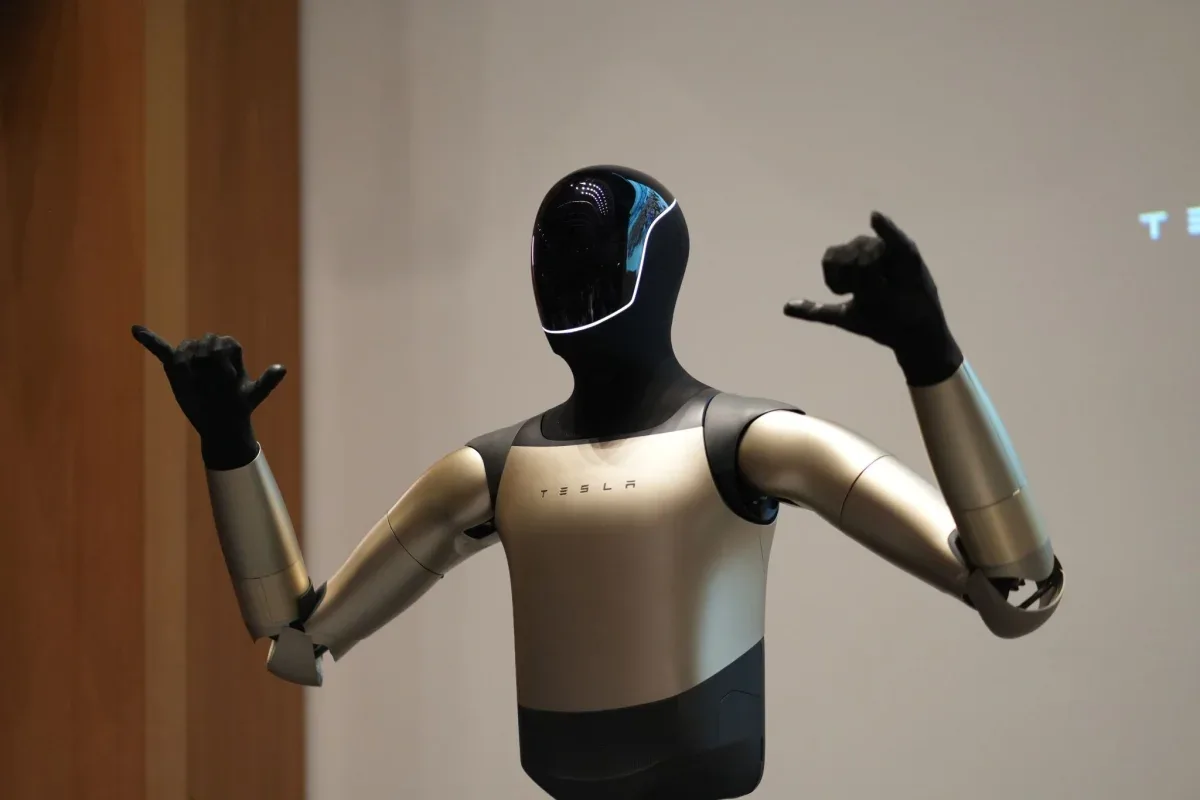
Remained the most-covered humanoid program as Tesla expanded Optimus Gen 3 production plans and factory trials.
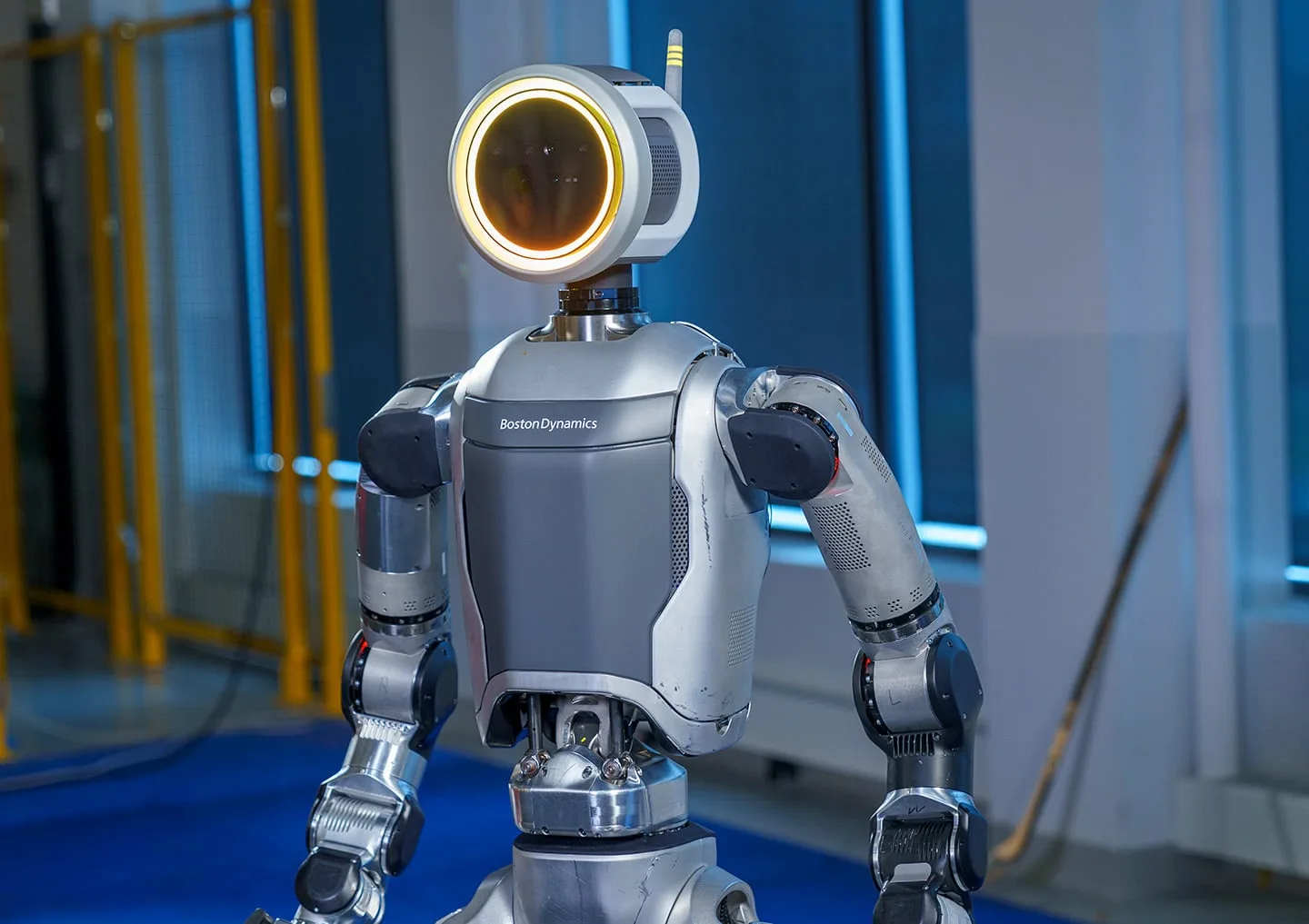
Boston Dynamics committed its entire 2026 electric-Atlas production run to Hyundai and Google DeepMind; the shipments were announced in January and were not confirmed as delivered during the quarter.
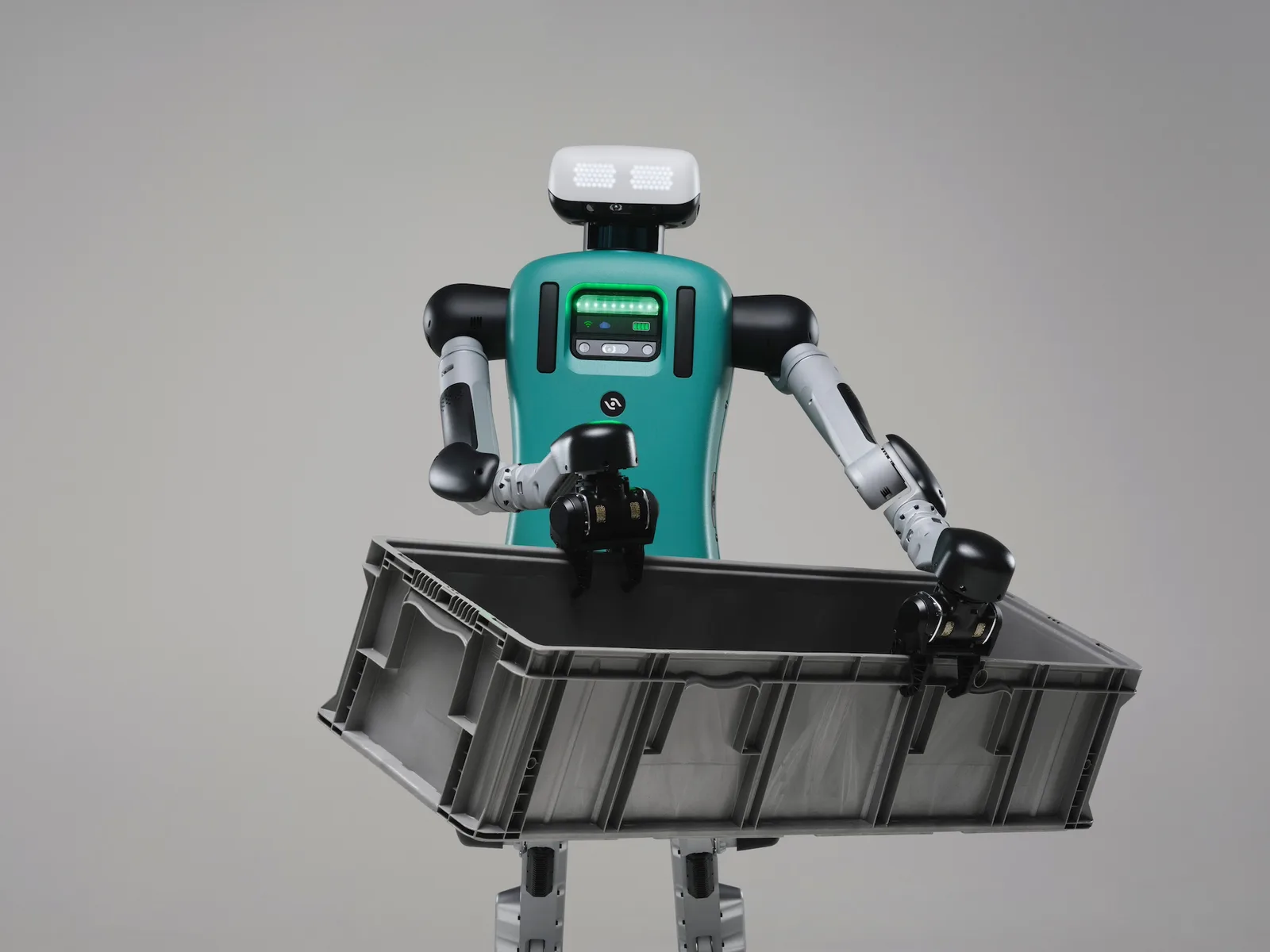
Agility Robotics announced a $2.5B public listing in June, with Digit deployments running at Amazon, GXO, Schaeffler and Toyota.
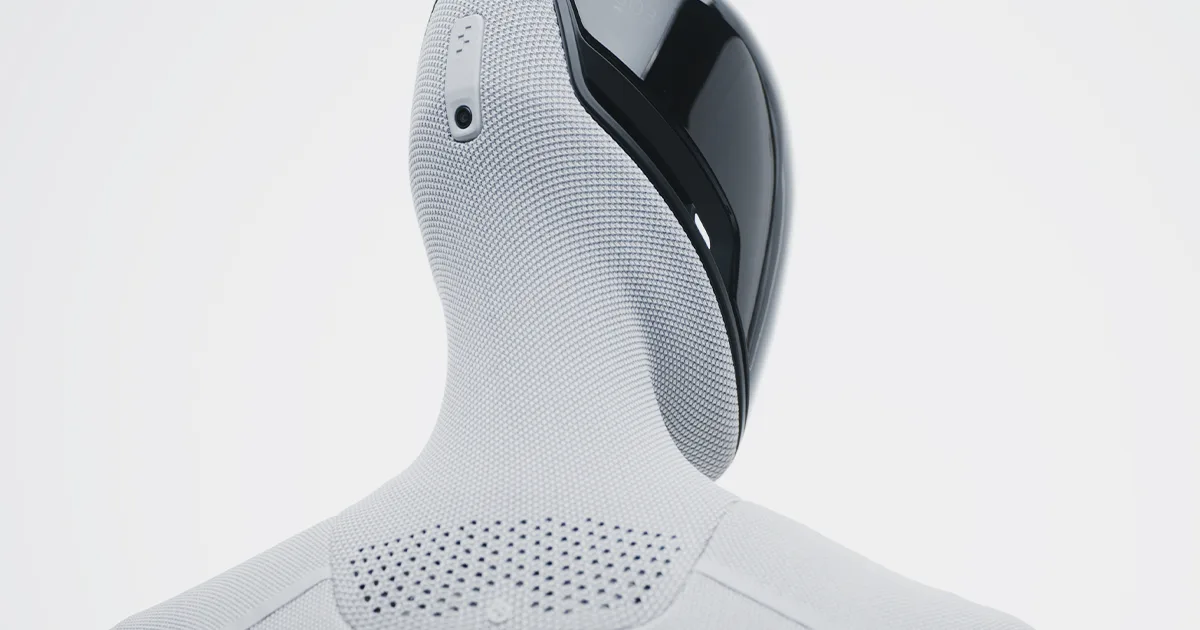
Ran a continuous public livestream of warehouse package sorting in May; Figure also reported its BotQ line reaching one unit per hour.
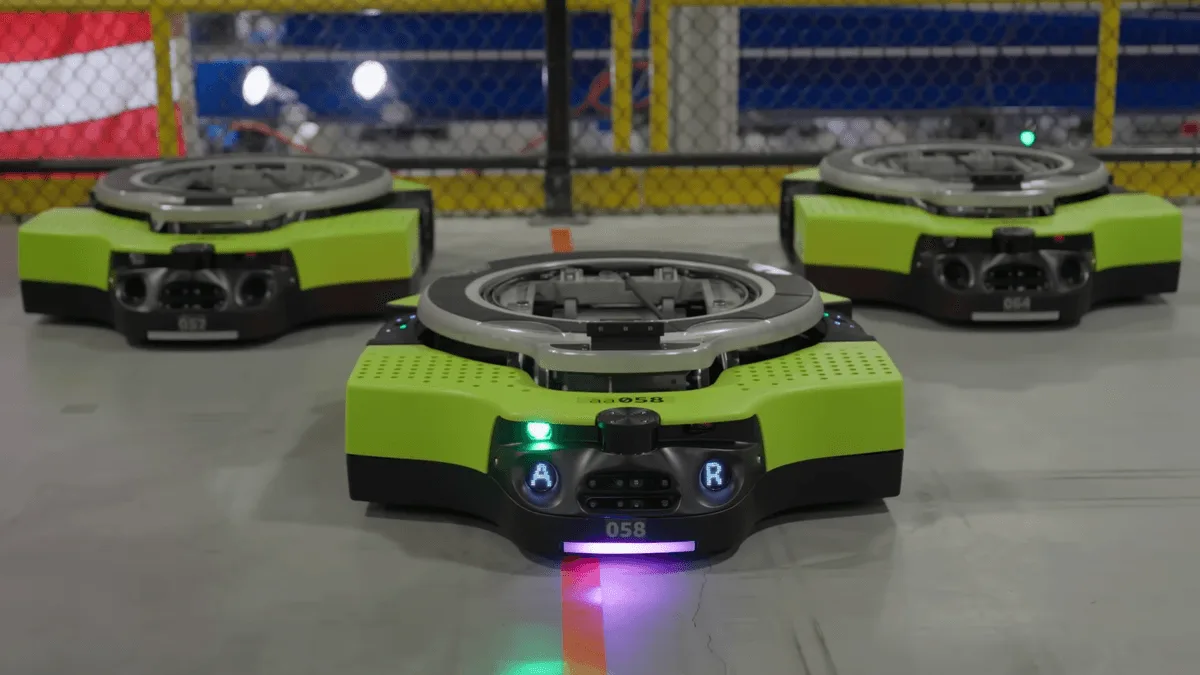
Amazon's autonomous warehouse mover featured in continued coverage of its robotics-led fulfilment expansion.
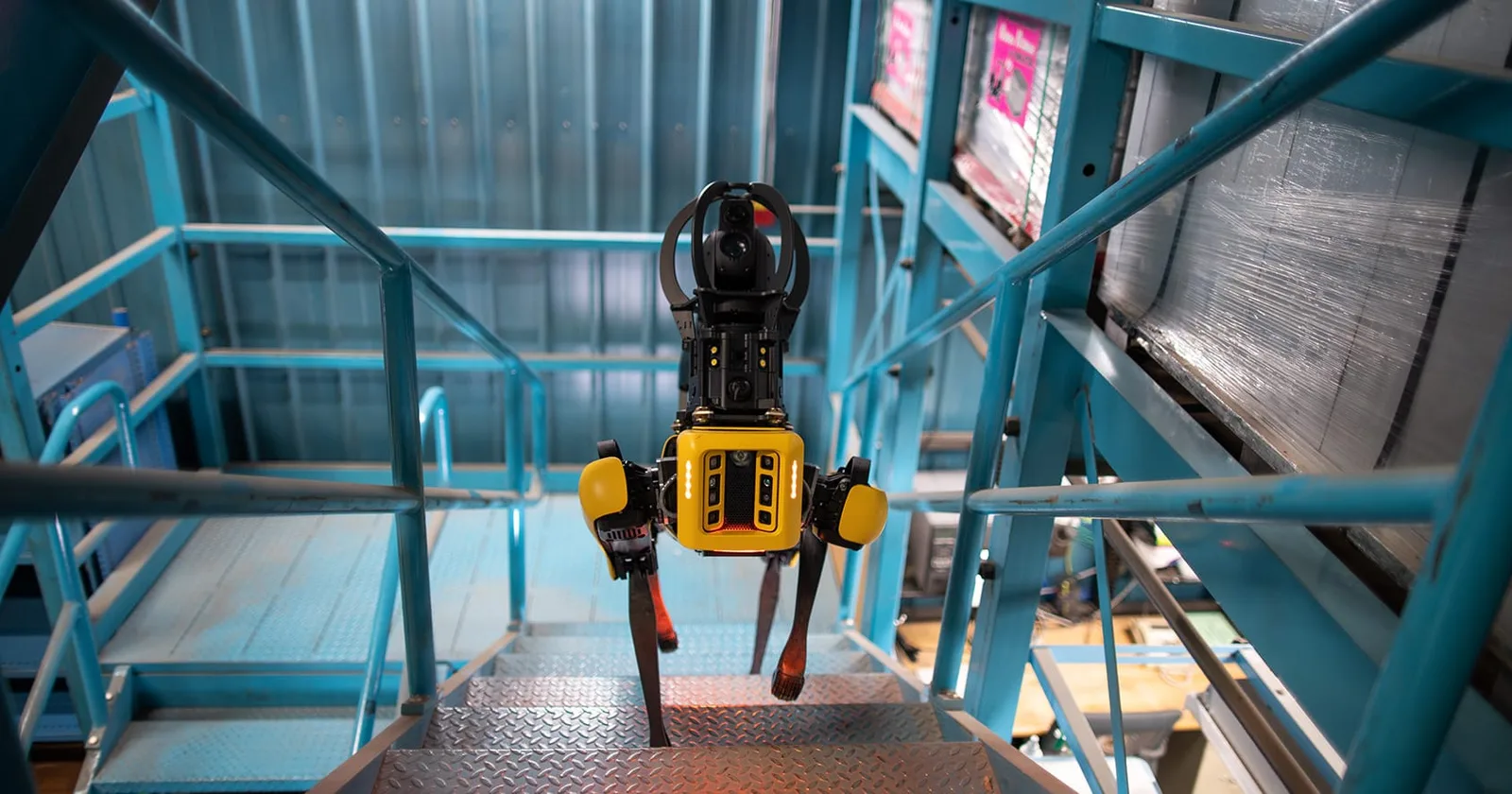
Spot continued to anchor industrial-inspection coverage and new enterprise fleet deployments.
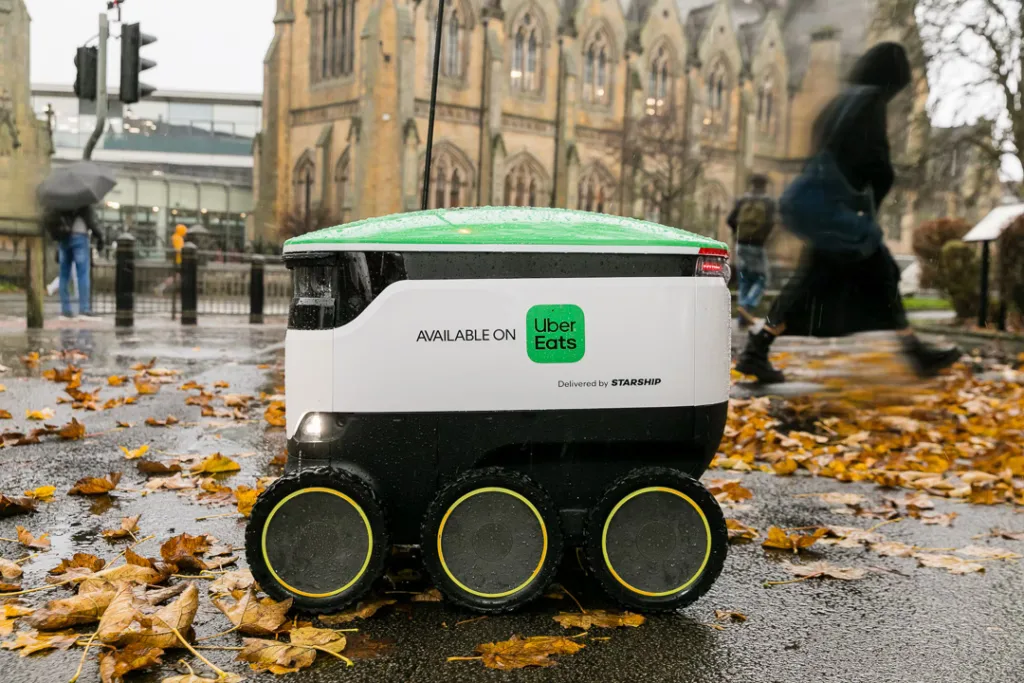
Starship Technologies expanded campus and grocery delivery fleets across new US and European markets.
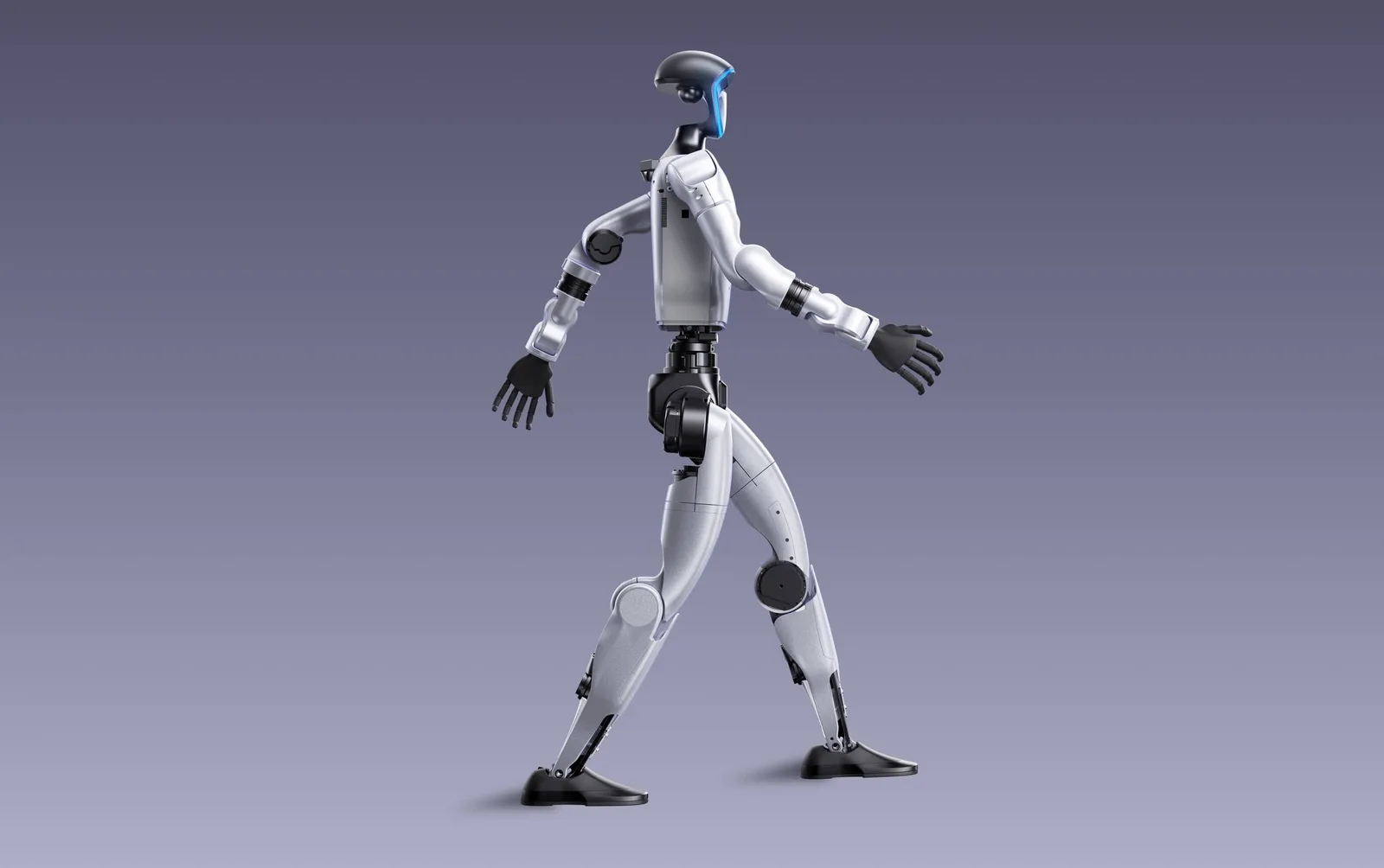
Volume leader among humanoids; Unitree filed for a Shanghai STAR Market IPO in Q2 on the back of G1 shipment numbers.
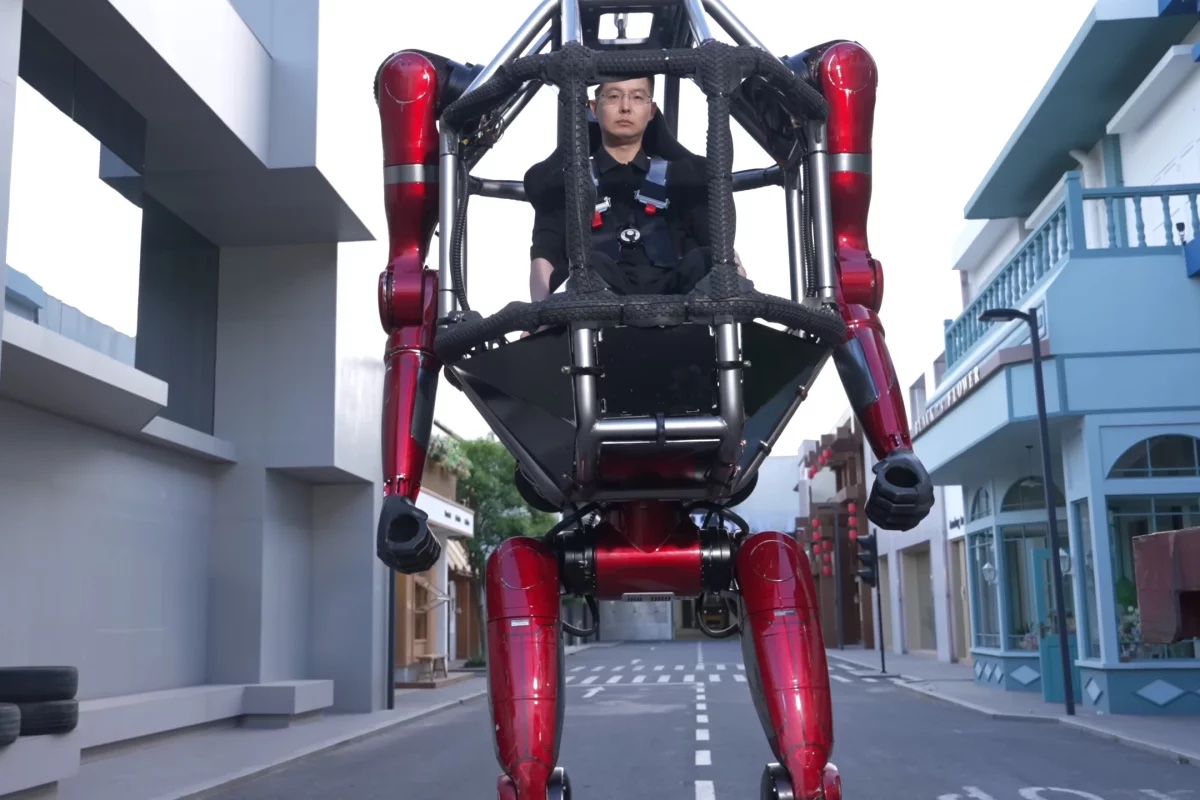
Unitree’s piloted mecha prototype went viral in May after a demonstration video showed it walking, striking cinder blocks, and transforming from two legs to four.
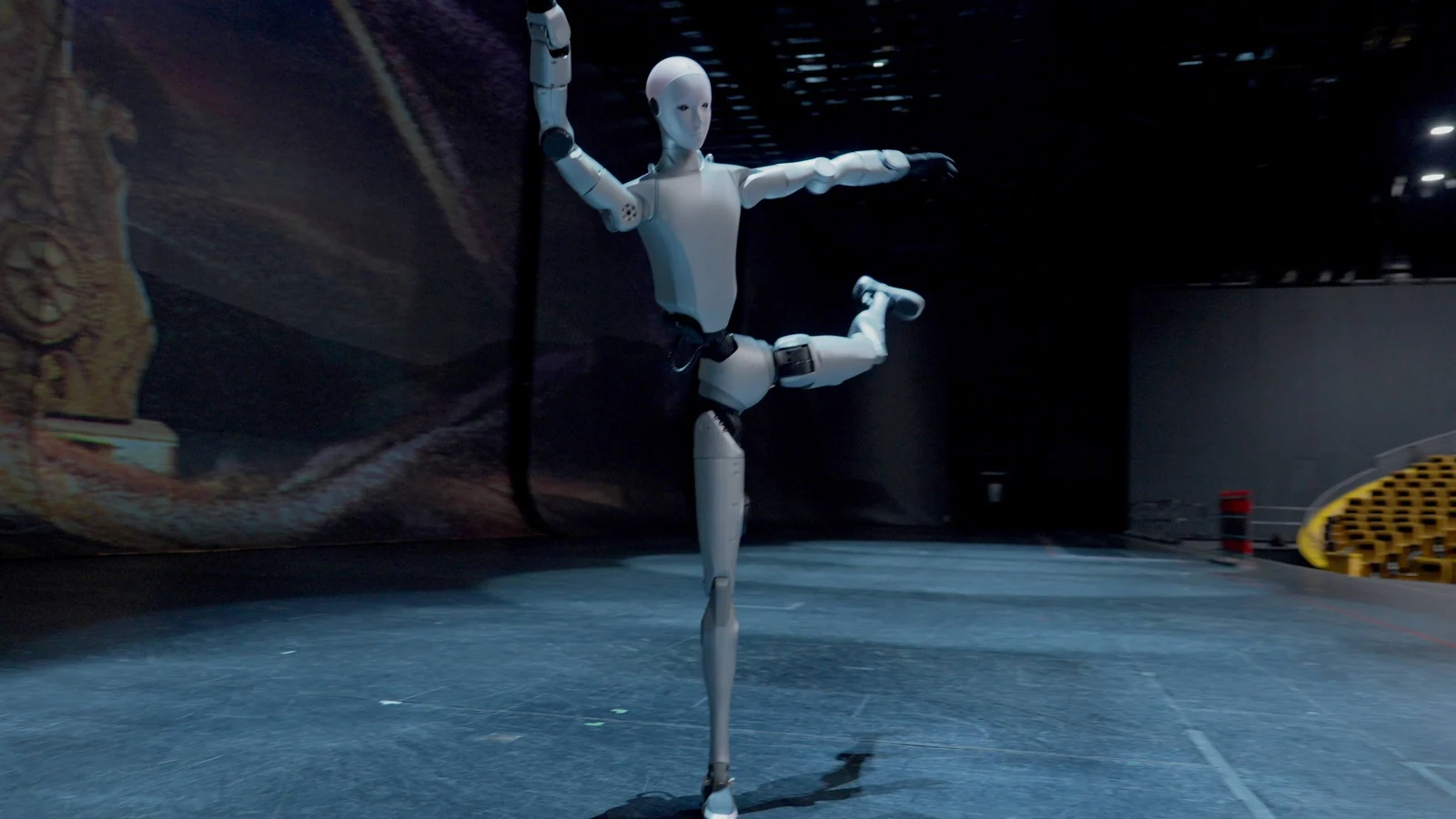
Unitree's full-size humanoid line stayed in the news cycle alongside the company's Q2 IPO filing.
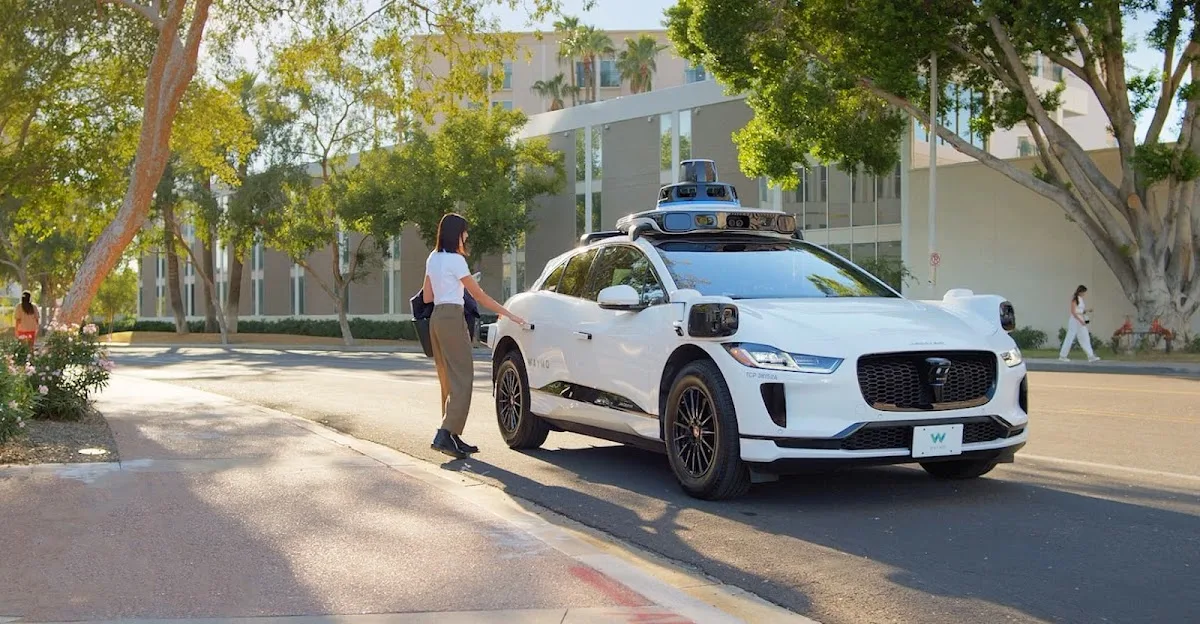
Operated roughly 3,000 vehicles at about 500,000 paid rides per week, while pausing freeway expansion mid-year.
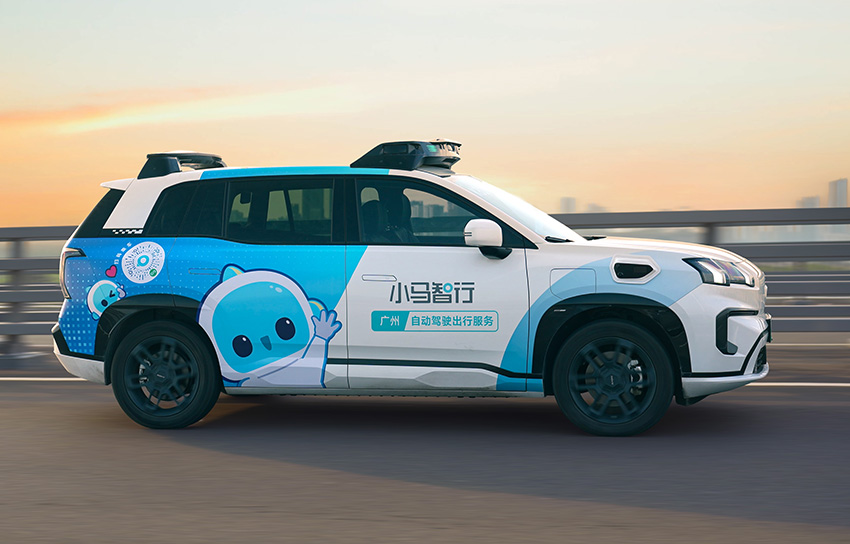
Pony.ai's seventh-generation robotaxi platform expanded fleet operations across Chinese tier-one cities.
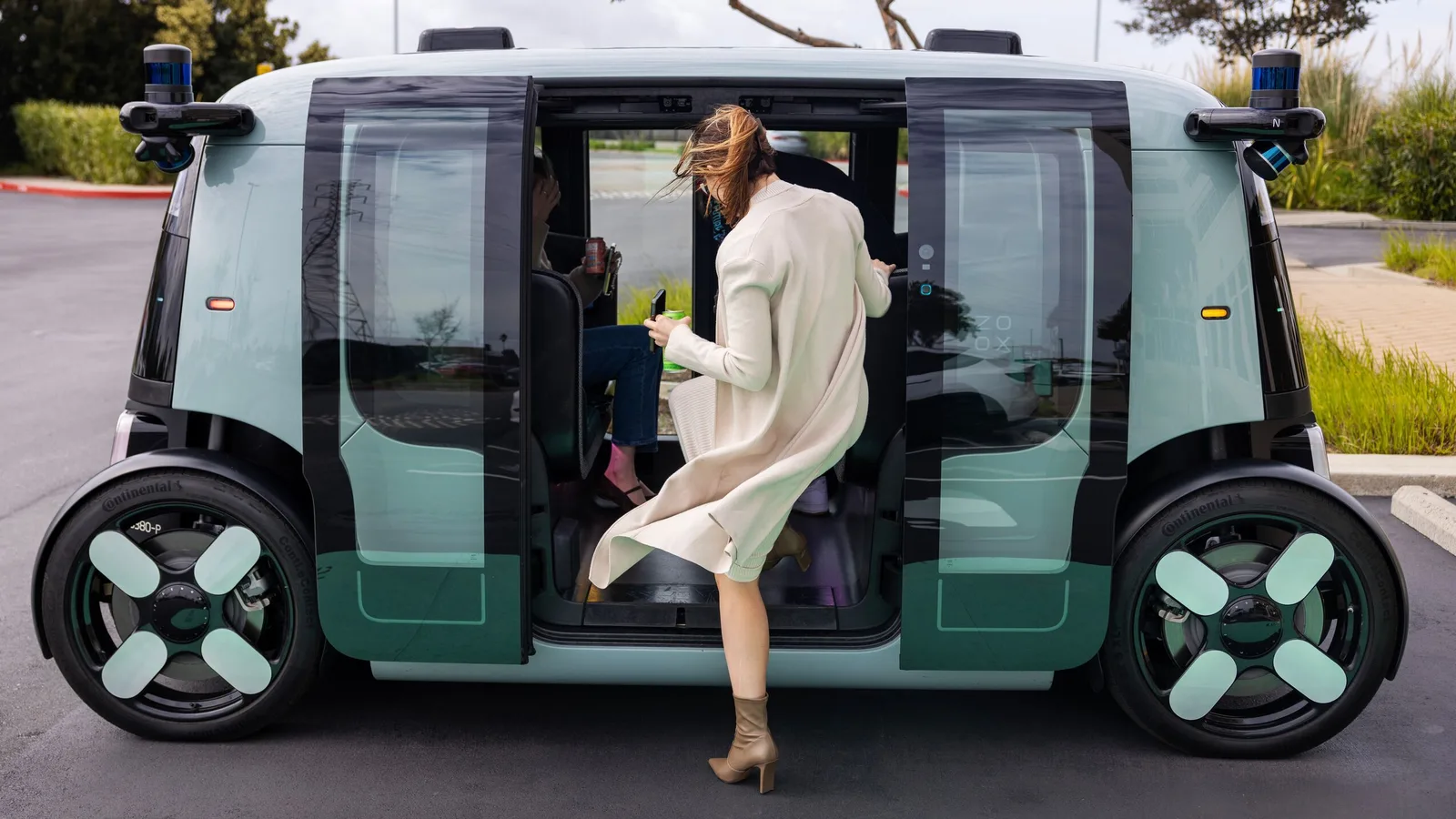
Amazon's purpose-built robotaxi confirmed plans for its first paid public launch in the second half of 2026.
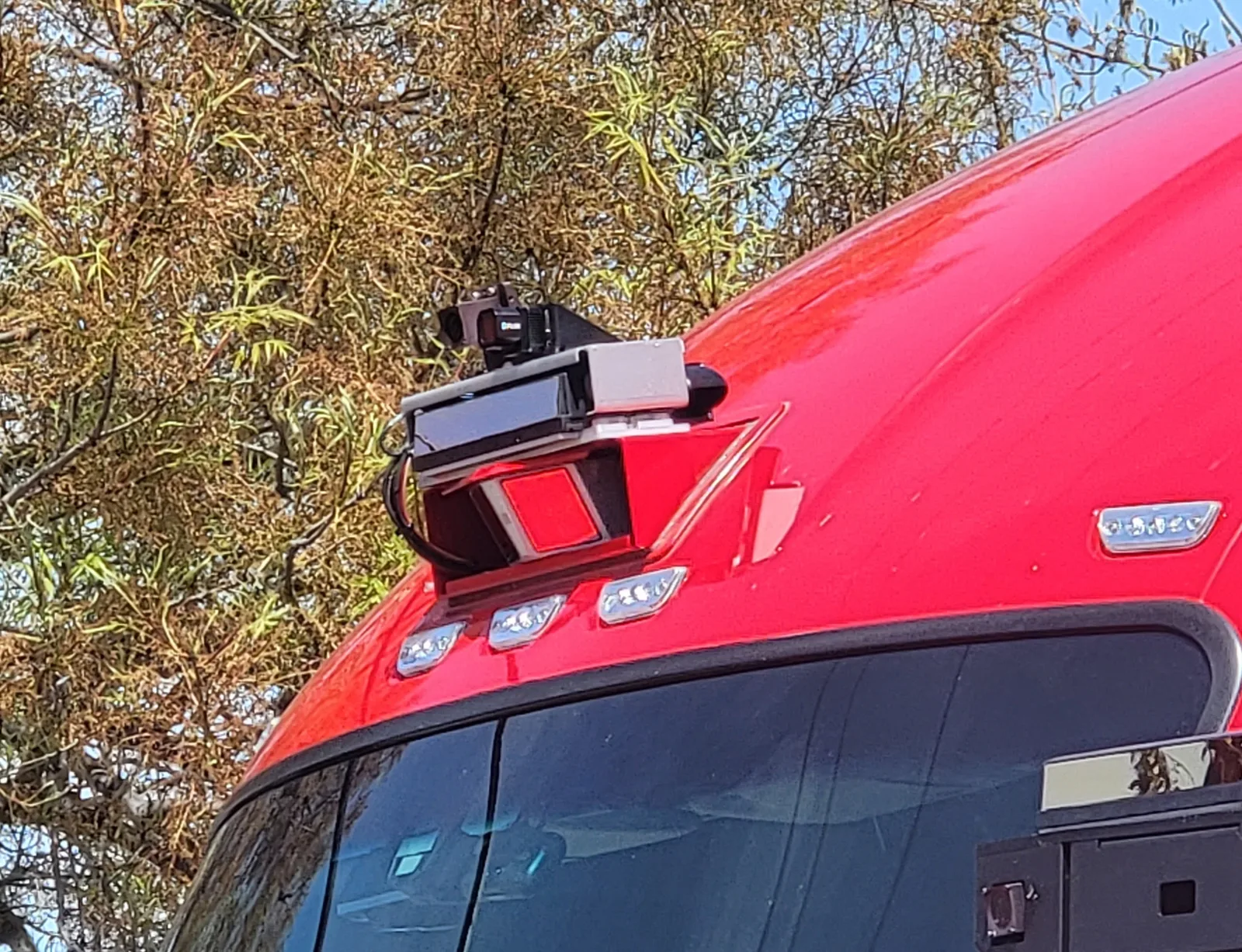
Launched a driverless autonomous freight lane running scheduled round trips between Dallas and Houston with carrier Roehl Transport.
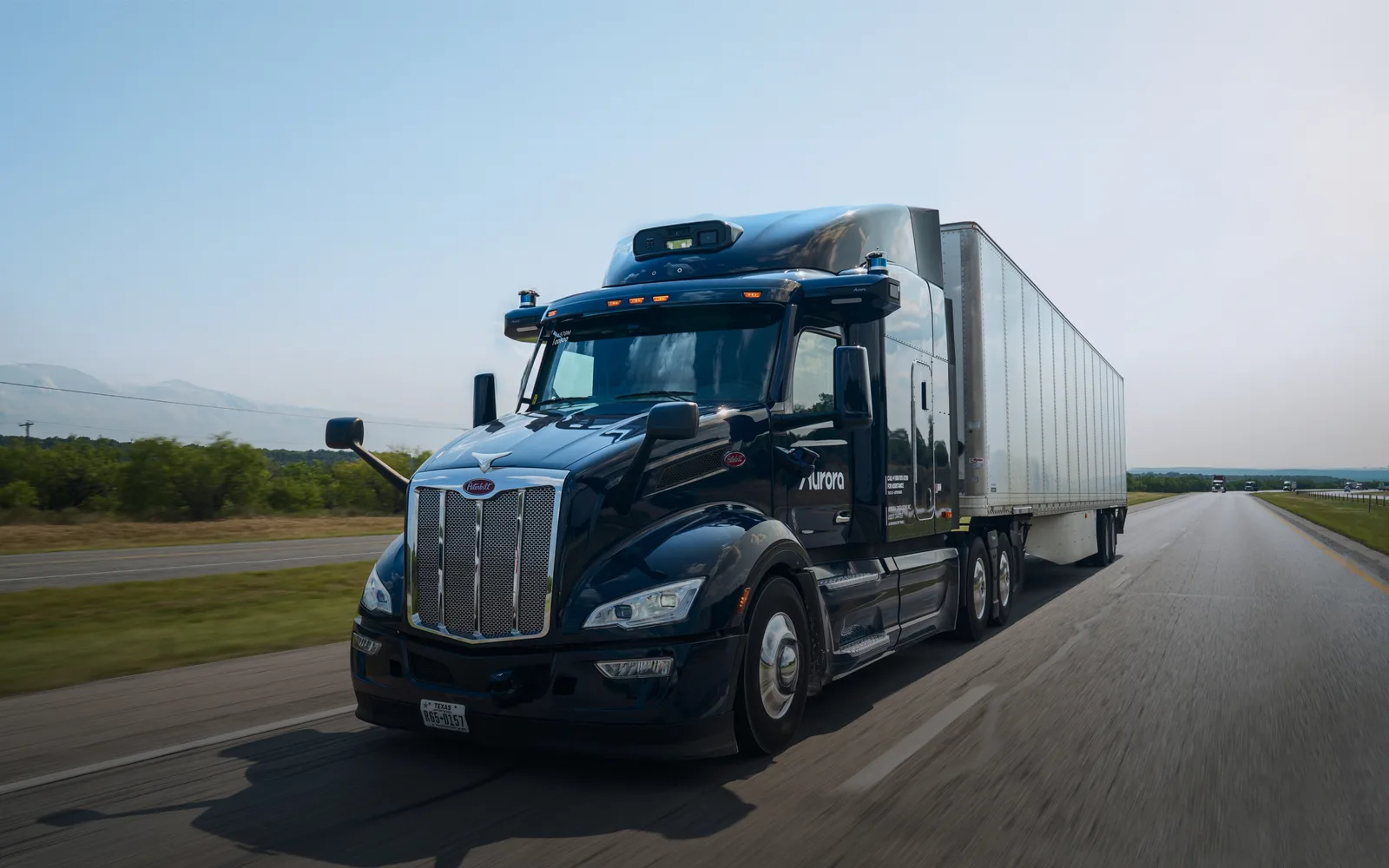
Moved to fully driverless commercial hauls with McLane on the Dallas to Houston freight corridor.
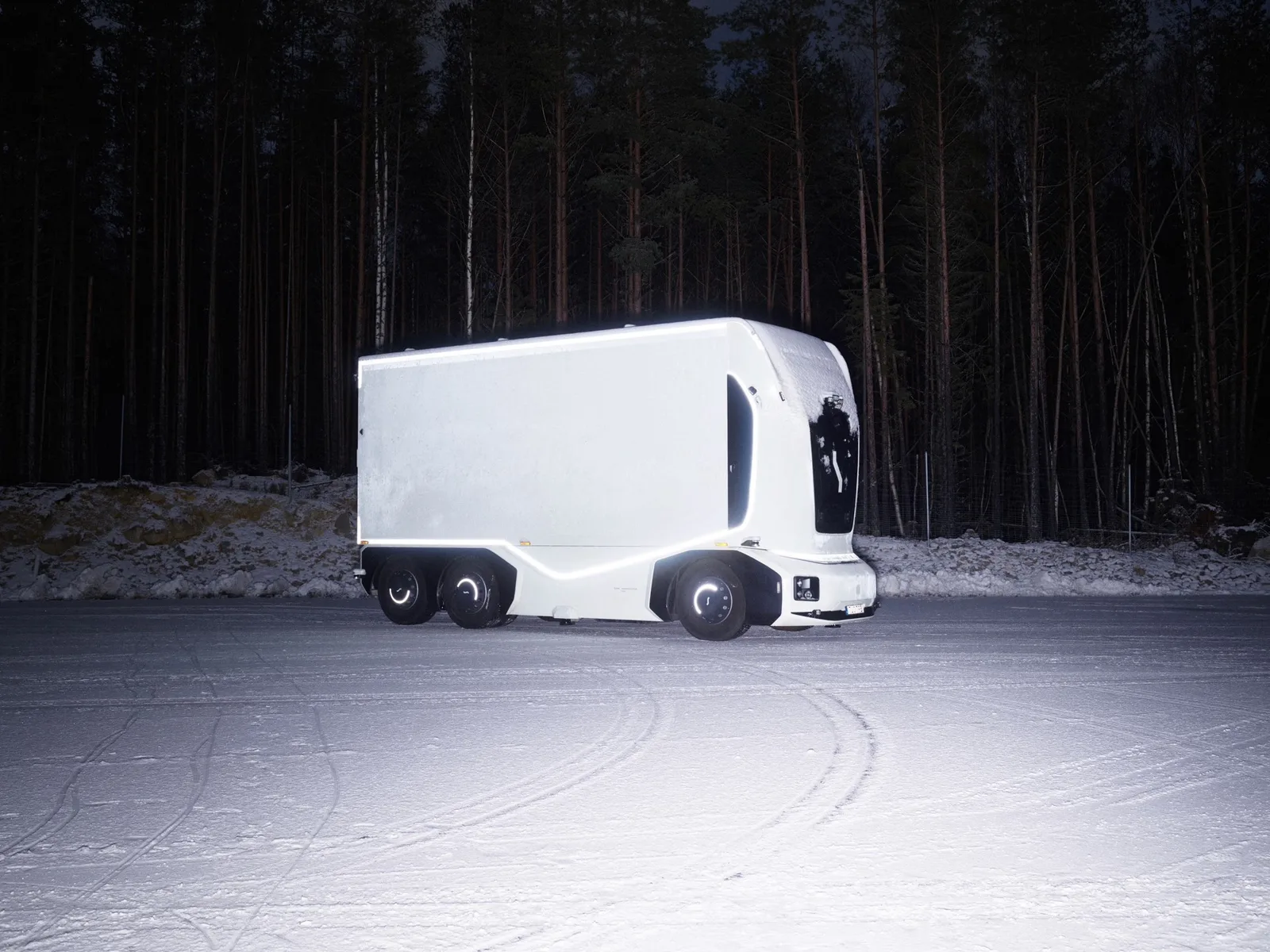
Listed on Nasdaq in June, a milestone that further validates autonomous trucking as a commercial business.
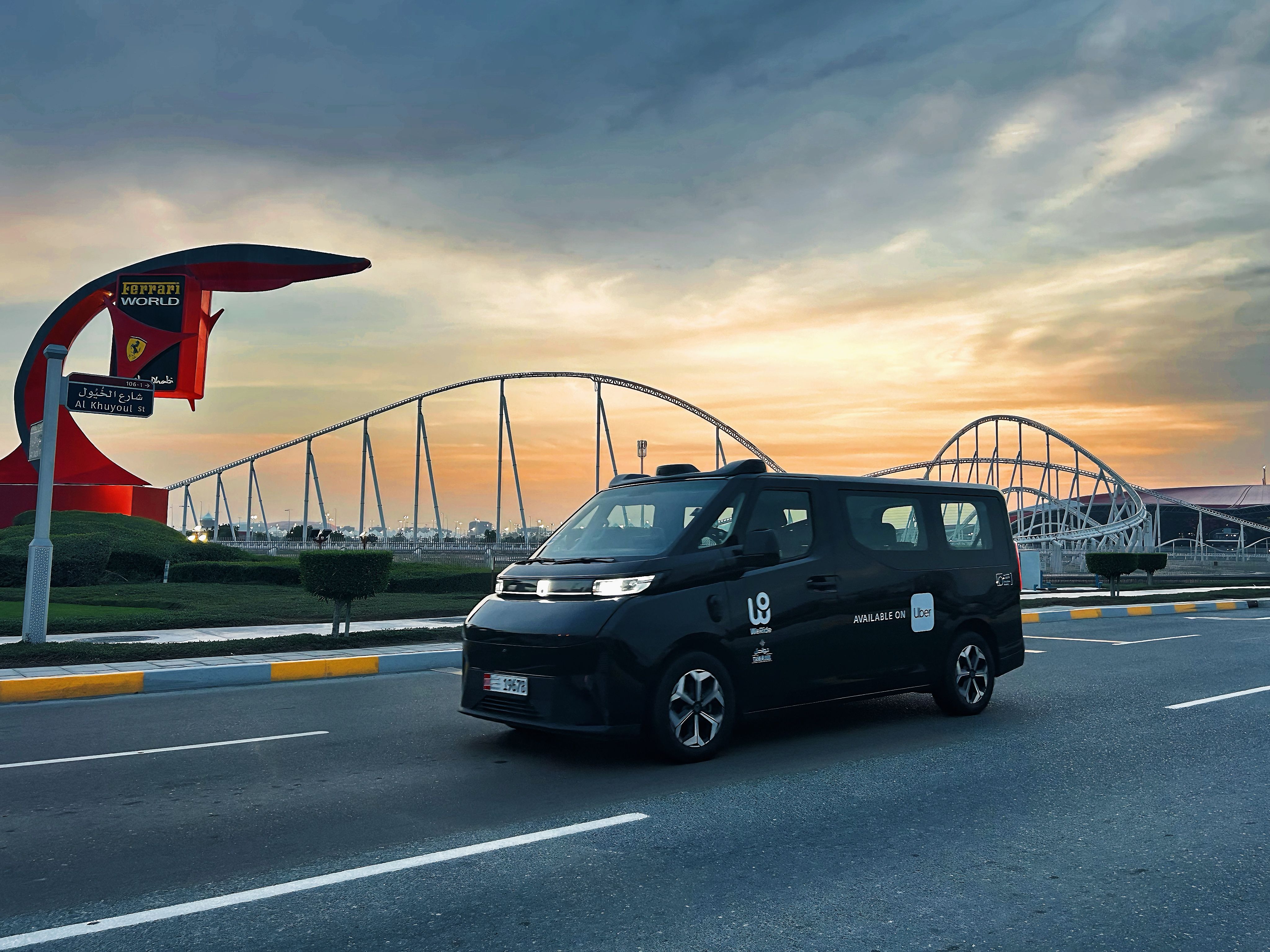
Expanded robotaxi service with Uber across Madrid, Zurich and Dubai, and signed a deal to mass-produce a right-hand-drive robotaxi.
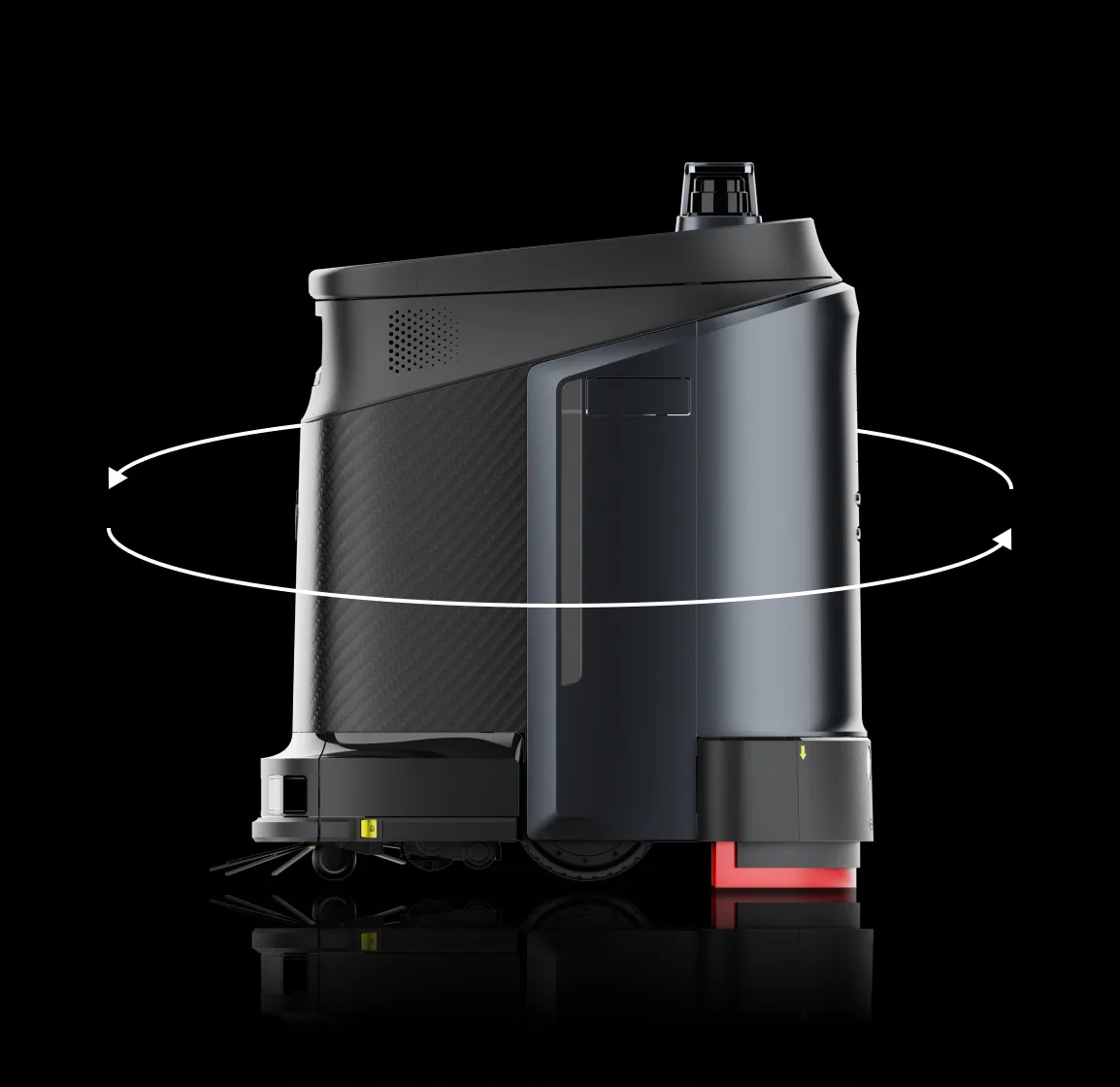
Deployed in a 25-unit rollout across a leading Greek supermarket chain, among the first large-scale robotic cleaning deployments in the country.
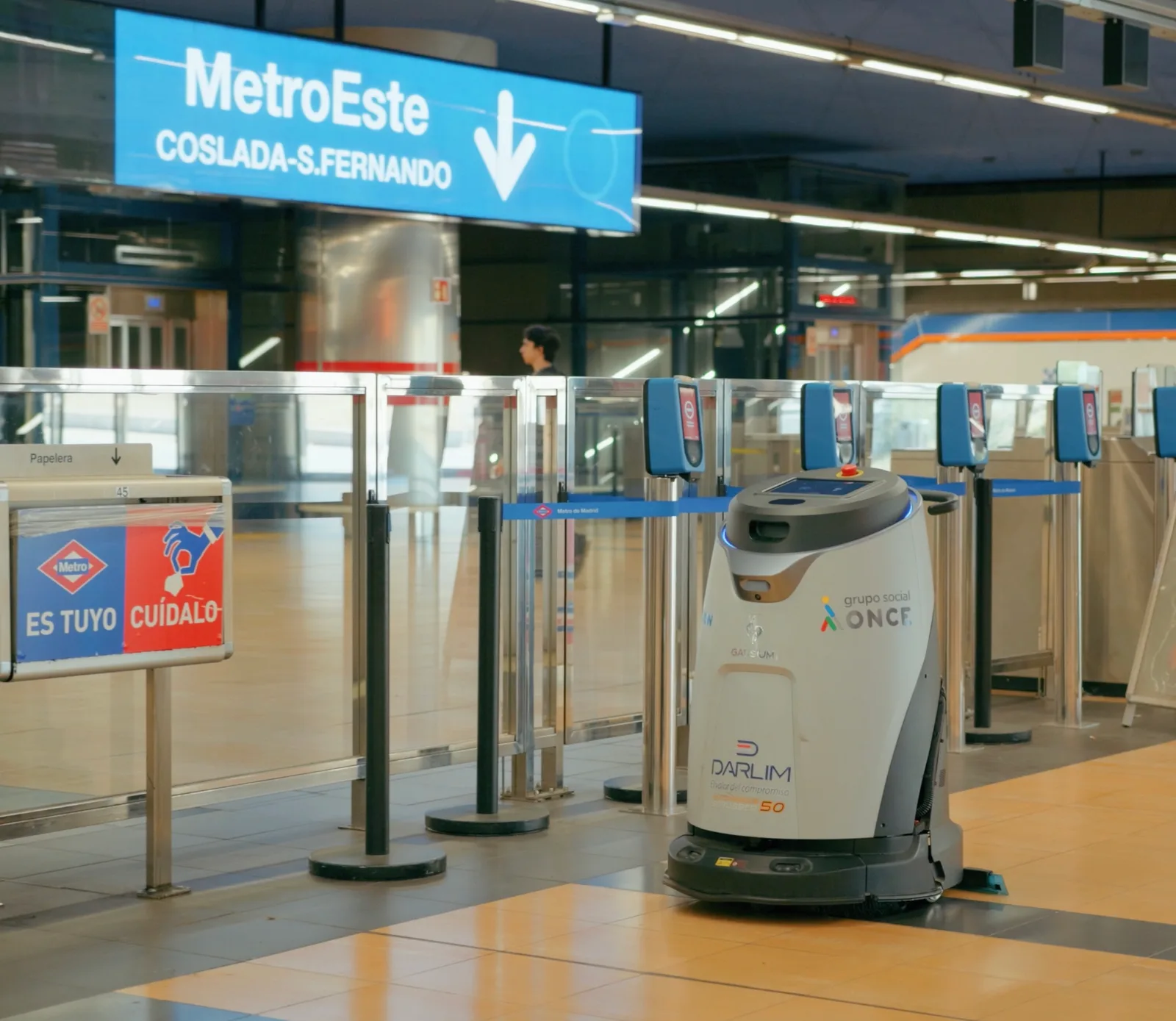
Part of the 25-robot autonomous store-cleaning rollout across a leading Greek supermarket chain.
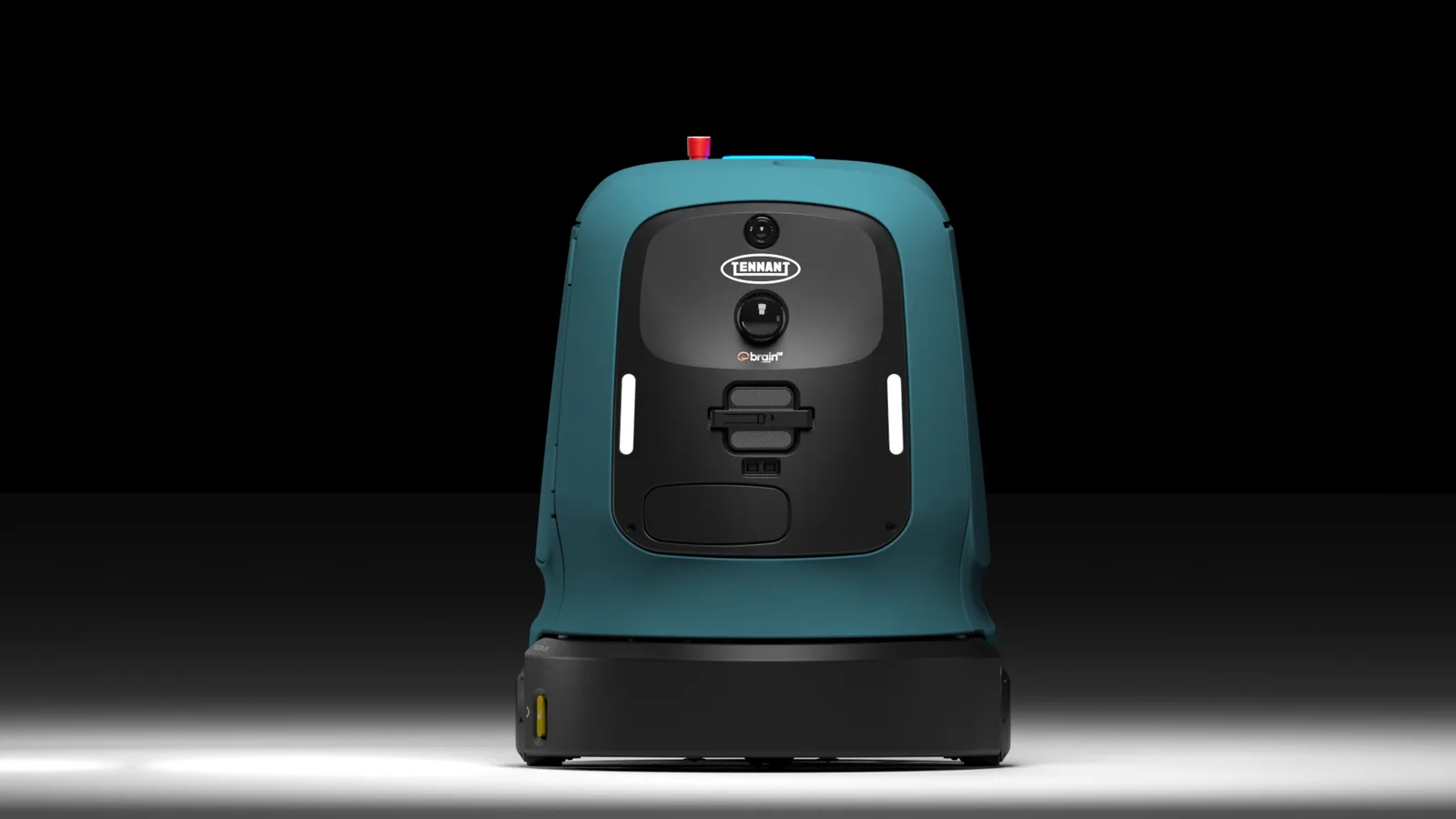
Launched BrainOS Clean 2.0 with SelfPath AI, letting robotic floor scrubbers autonomously generate and adjust their own cleaning routes.
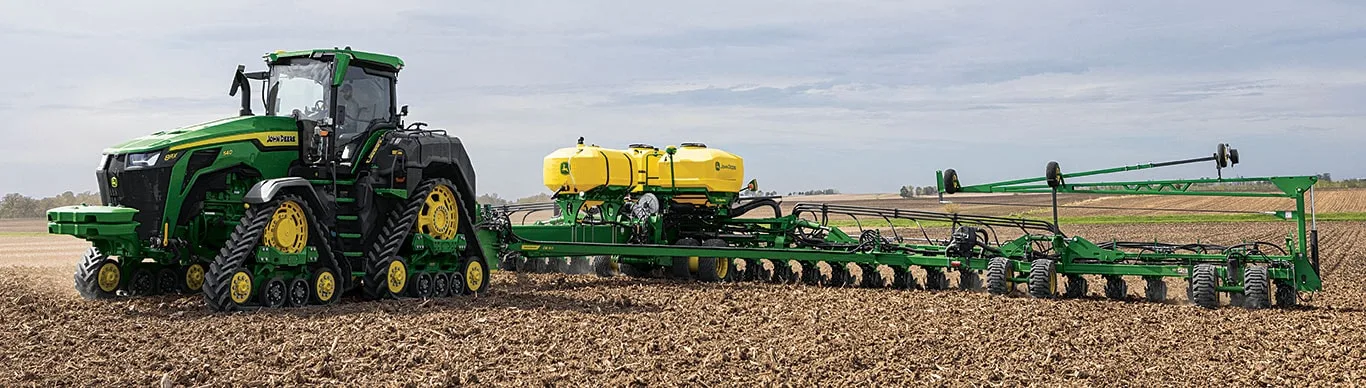
Rolled out a second-generation 16-camera autonomy kit for its 8R and 9R tractor line, running unattended field work faster and with wider implements.
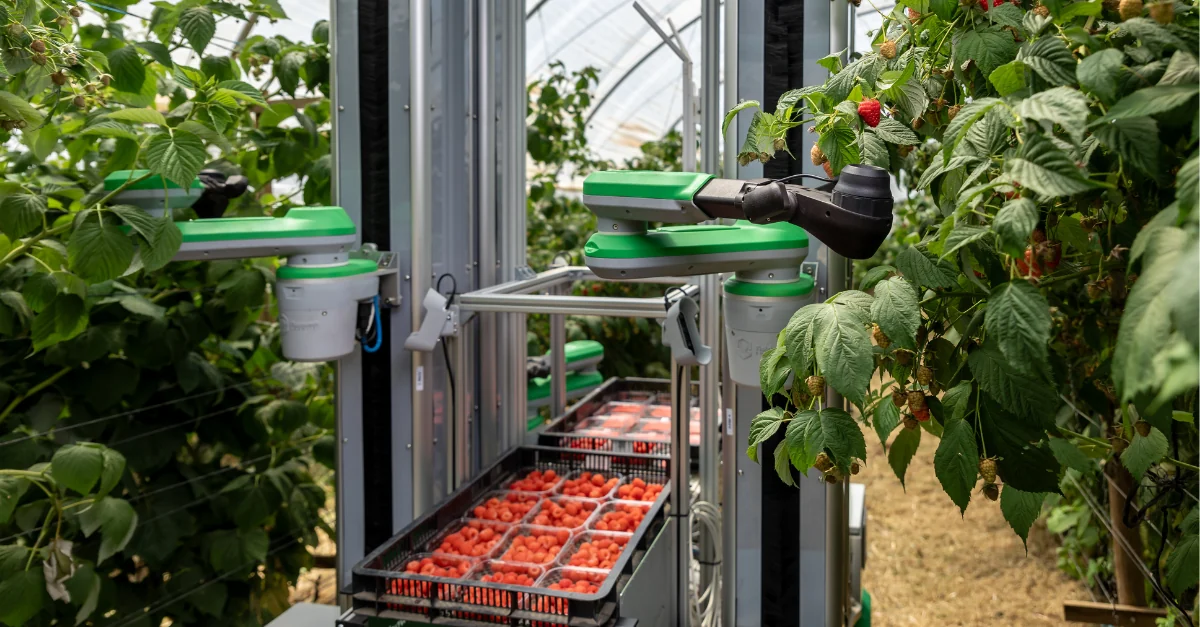
Secured new investment from SEED Innovations to keep scaling its autonomous raspberry and soft-fruit picking robot.
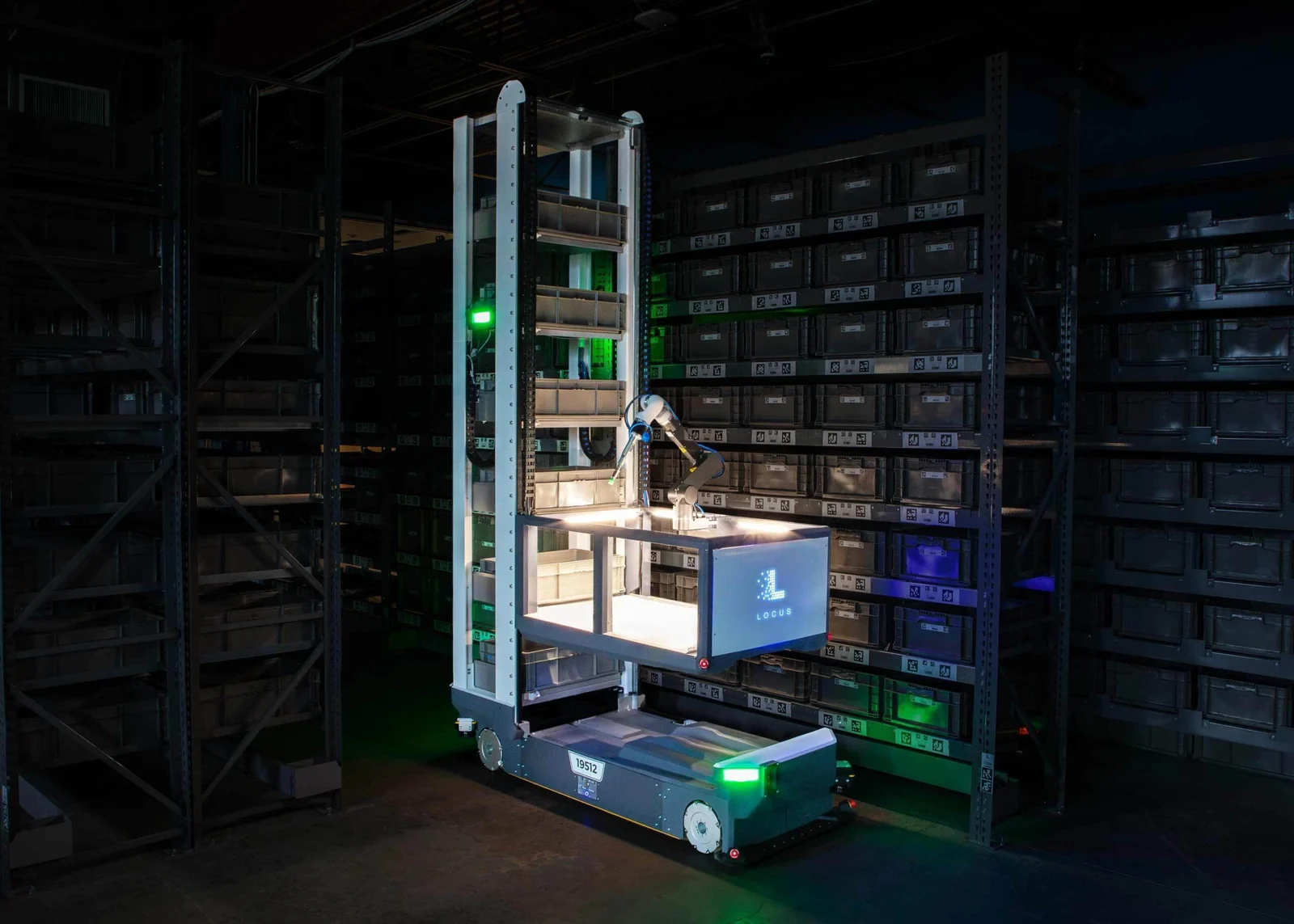
Launched Locus Array, a mobile robot with an integrated picking arm for fully autonomous fulfillment, at MODEX with DHL as first deployer.
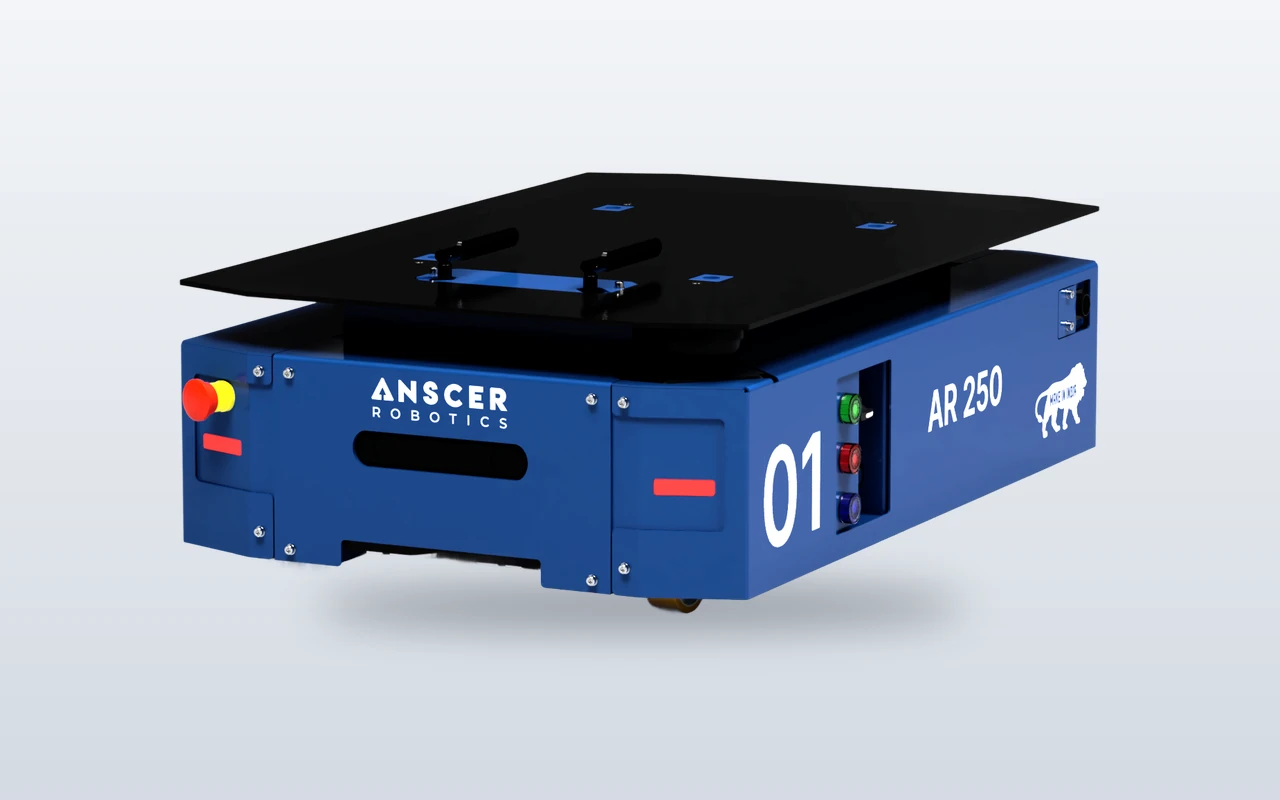
Closed a $5.4M Series A to expand its heavy-duty AR-series hybrid AMR and AGV platform into the US, Europe and APAC.
Partnered with BlindSquare to stream real-time sidewalk-hazard data to visually impaired pedestrians across its operating cities.
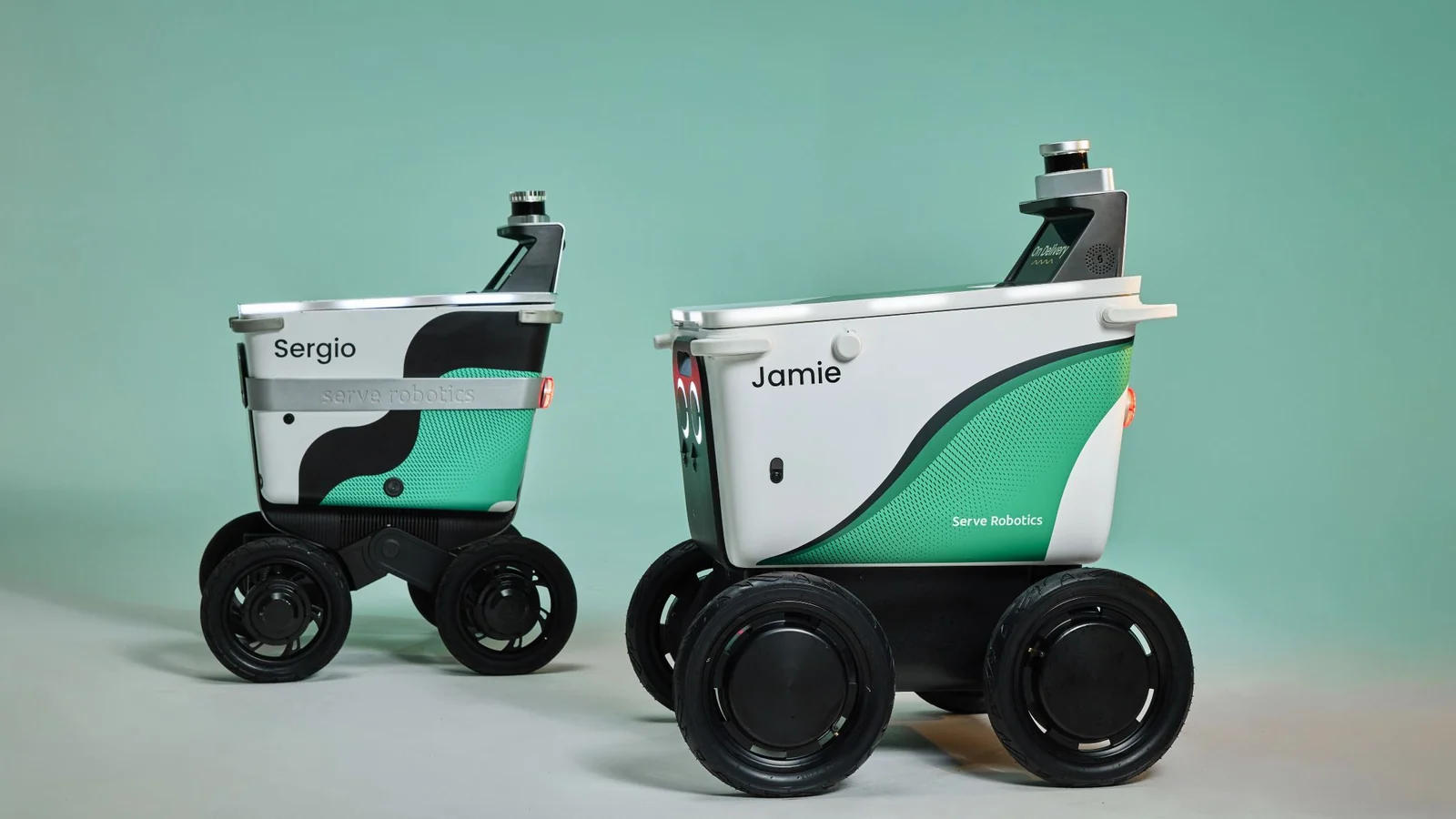
Signed a first commercial partnership beyond prepared food, laundry pickup and delivery with NoScrubs, piloting in Los Angeles.
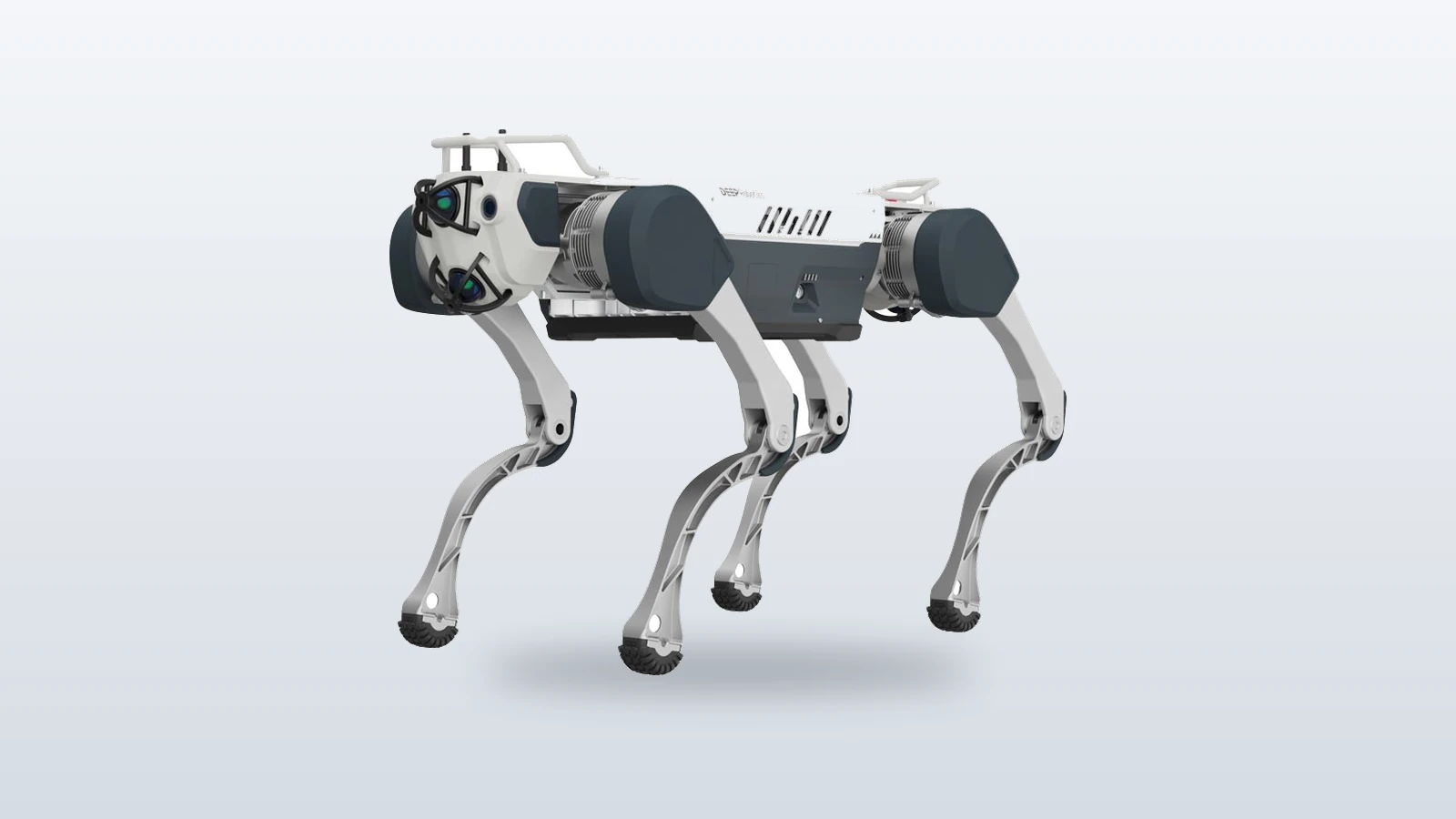
Began commercial patrol of a 40km underground power-cable tunnel network for SP Group in Singapore, its first overseas power-utility deployment.
Ongoing tier-1 coverage of the robots on this list, refreshed continuously — separate from the Q2 2026 ranking above, which stays fixed for the quarter.
Demo forensics — was the attention deserved?
Demo forensics asks one question about a viral robot: was a viewer of the demo given enough information to know what they were looking at? We grade the disclosure, not the machine.
| Robot | Verdict | Control mode | Time integrity | Environment | Repeatability | Independent presence | Claim ↔ evidence |
|---|---|---|---|---|---|---|---|
| Tesla Optimus#1 | Contradicted | Undisclosed | Undisclosed | Disclosed | Partial | Partial | Contradicted |
| Boston Dynamics Atlas#2 | Partially verifiable | Disclosed | Undisclosed | Partial | Partial | Undisclosed | Matched |
| Figure 03#4 | Verifiable | Disclosed | Disclosed | Disclosed | Disclosed | Undisclosed | Matched |
| Unitree GD01#9 | Contradicted | Undisclosed | Undisclosed | Undisclosed | Undisclosed | Undisclosed | Contradicted |
Rows are ordered by attention rank, not by verdict. 4 audited entries are an anecdote, not a correlation — we do not claim that attention and disclosure move together across the industry.
How we grade a demo
Six axes, graded independently and never summed. A composite “trust score” would hide which axis failed.
Was the viewer told whether the robot was autonomous, teleoperated, or a mix?
A teleoperated robot pouring a drink demonstrates good hardware. An autonomous one demonstrates a solved problem. They look identical on video. This is the gap most robot marketing lives in.
Was the footage real-time, and was any speed change or cut disclosed?
Speeding up footage is legitimate and normal. Silently speeding it up, in a field where speed is the core unsolved problem, is not. A cut can hide a reset, a retry, or a human hand.
A staged set, or the real place the robot is meant to work?
A demo cell is a fair place to demonstrate. Presenting one as an operating environment is not.
One take, or evidence it works more than once?
A live, continuous, unedited feed cannot hide a failure — it is the only format where the evidence is not curated by the party being evaluated. A single cut clip is the weakest.
Did anyone not employed by the maker see it work with their own eyes?
A partner company confirming is worth something, but partners are commercially entangled. An account that traces back to a maker-supplied video is not independent evidence.
Does what was shown support what was said?
The commonest failure is not a fake video. It is a true video attached to an untrue sentence — a robot lifts one crate, and the headline says "at scale."
- Every verdict cites a URL and a quote. Where we could not find a disclosure, we say we could not find one — which is different from saying there was none.
- Facts, never intent. We report what was stated and what was not. We do not report what anyone meant by it.
- Absence of disclosure is not evidence of deception. Most makers simply never thought to say.
- Every company named may reply, and we publish the reply — including the parts where they tell us we are wrong.
- We grade ourselves in the same typeface. Errors in our own edition are published beside everyone else’s.
- No composite score. A single “trust number” would hide which axis failed, and would become the junk this replaces.
This rubric rewards makers who talk. A company that publishes nothing scores “Undisclosed” on every axis while quietly shipping thousands of units. Trending is an attention list, not a competence list — the absence of a maker here says nothing about their robots.
The part where we grade ourselves
Everything below is an error or a structural weakness we found in the Q2 2026 edition itself, while auditing everyone else. Corrections are published, never quietly patched.
Our Atlas blurb described a shipment that was not confirmed
We wrote that "first production units of the electric Atlas began shipping to Hyundai plants and Google DeepMind during the quarter." The primary sources say fleets were "scheduled to ship … in the coming months," and they are dated 5 January 2026 — a commitment announced at CES, not a Q2 event. No source from April to June confirms a delivery. Hyundai's destination site is a data-collection centre; work on an actual production line is targeted for 2028.
The blurb and the opening paragraph of the Atlas report have been corrected.
We cited a source about a different robot
The IEEE Spectrum article we listed under Atlas is titled "Boston Dynamics and Google DeepMind Teach Spot to Reason." It concerns the quadruped, not the humanoid. A genuine Atlas–DeepMind source exists; this was not it. The citation has been removed.
Our GD01 blurb repeated a claim no source supports
We wrote that Unitree's founder "drove it through a wall." No article we could fetch puts Wang Xingxing, a wall, and driving in one sourced sentence. The closest are "smashes a pile of bricks" — where he is named but no wall is mentioned — and "smashing through a wall of cinder blocks," where the wall is mentioned but no operator is named.
The error appears to have been introduced by an AI summary of an article rather than by the article itself: while auditing this entry, a search tool's own summary asserted that Euronews reported the founder "punched through a wall," a detail absent from the Euronews text when fetched directly. The embellishment was manufactured during retelling — which is precisely the failure this audit exists to catch. We caught our own machinery doing it.
The blurb and the opening paragraph of the GD01 report have been corrected.
Our Optimus report turned a capacity figure into a commitment
We wrote that Tesla declared "a stated target of 10 million Optimus units a year, reframing the project from a research showcase into a manufacturing commitment." The 10-million figure describes the designed annual capacity of a production line at Giga Texas, characterised as a long-term target with no date attached. On the same earnings call, Elon Musk declined to give any 2026 production number.
This is the same error we identify in the Atlas coverage elsewhere in this edition — a real number, attached to a sentence it does not support. The paragraph has been corrected.
Our sources are not all what we call them
This edition's downloadable report describes its citations as "62 tier-1 sources." Of the 66 source rows behind the Q2 ranking, 51.5% are independent journalism, 21.2% are a maker's own blog or press page, 13.6% are search-optimised or affiliate content, 4.5% are press wires, 4.5% are finance aggregators and 4.5% are university or student publications.
One domain, blog.robozaps.com, is cited as often as Reuters, the Wall Street Journal and CNBC. Its "Figure 03 Review" never touched the robot, relies on another publication's facility visit, and concedes in its own text that Figure 03 "is not available for consumer purchase." One of our Tesla Optimus citations, basenor.com, is a shop that sells Tesla accessories.
The structural problem is larger than the individual citations. News coverage carries 55% of the trending score, and a maker's own published post counts toward it — so a company can raise its trending rank by publishing a blog post. We will state this alongside the methodology every quarter until the weighting is fixed.
How we measure trending
Trending ranks the most-talked-about commercial robots each quarter using only public attention signals — a read on momentum and mindshare, not a judgment of quality. It's deliberately independent of the Robo Score (our quality & fit score): being loud isn't the same as being good. Four signals make up one score:
- News coverage55%Articles that mentioned the robot this quarter — the loudest measure of attention. Google News, plus GDELT where available.
- Wikipedia readership20%Quarterly Wikipedia pageviews for the robot or its maker — what the wider public went and looked up.
- Momentum15%This quarter's coverage vs. last quarter — rewards attention that's rising, not just consistently high.
- Interest on Robolist10%Views on the robot's Robolist page this quarter, bots excluded — a light on-platform read.
Each signal is standardized across the whole field before it's combined, so one viral week can't run away with the list. Autonomous vehicles are ranked in their own group so robotaxis and humanoids don't crowd each other out.
Only robots listed on Robolist are eligible. Sources: Google News, Wikipedia / Wikimedia, GDELT — all free and public. Weights shown reflect the current quarter’s scoring.