Robotics news & company updates
Robotics news & what's new on Robolist
Curated industry headlines from tier-1 robotics outlets and announcements straight from manufacturers.
Which Brand of Commercial Stir-Fry Robot is Best? Hongbo Zhicheng Intelligent Dining Solution Drives Standardization, Cost Reduction and Efficiency Gains in Chinese Cuisine
This week
- Robot China (Chinese)
Embodied AI Returns to Industry: Agile Robots Showcases 12 Products at 2026 Industrial Expo
- Robot China (Chinese)
9,999 Yuan Ushers in the Robot 'Dexterous Era': Hui Ling Technology Launches 20-DOF Dexterous Hand, Creating Closed-Loop Embodied Intelligence Hand-Brain Ecosystem
- The Verge
NASA dumped over 800GB of Artemis II data online
If you thought you'd seen all there is to see from the Artemis II mission, you're wrong. This week NASA posted over 800GB worth of science data, images, and videos on the Artemis II: Sights & Sounds of Science site. The archive includes over 11,000 photos and videos, over 8.5 hours of audio, and crew-annotated […]

- The Verge
George A. Romero’s Season of the Witch is a slow-burn feminist occult drama
George A. Romero is obviously best known as the father of the modern zombie movie. But between inventing the genre with Night of the Living Dead and his outbreak horror, The Crazies, Romero made two much lesser-known films: There's Always Vanilla, which I'll admit I've never seen, and Season of the Witch, or, as it […]

- Interesting Engineering
US firm unveils 864-mile-range Troublemaker drone for one-way attack missions
US defense contractor Ideal Aerosmith has unveiled Troublemaker, a Group 3 uncrewed aircraft designed to...

- Interesting Engineering
US wants drones to be recharged while still in-flight, backs PowerLight’s ARC
US-based PowerLight Technologies has received an expanded investment from the Department of War to advance...
- Interesting Engineering
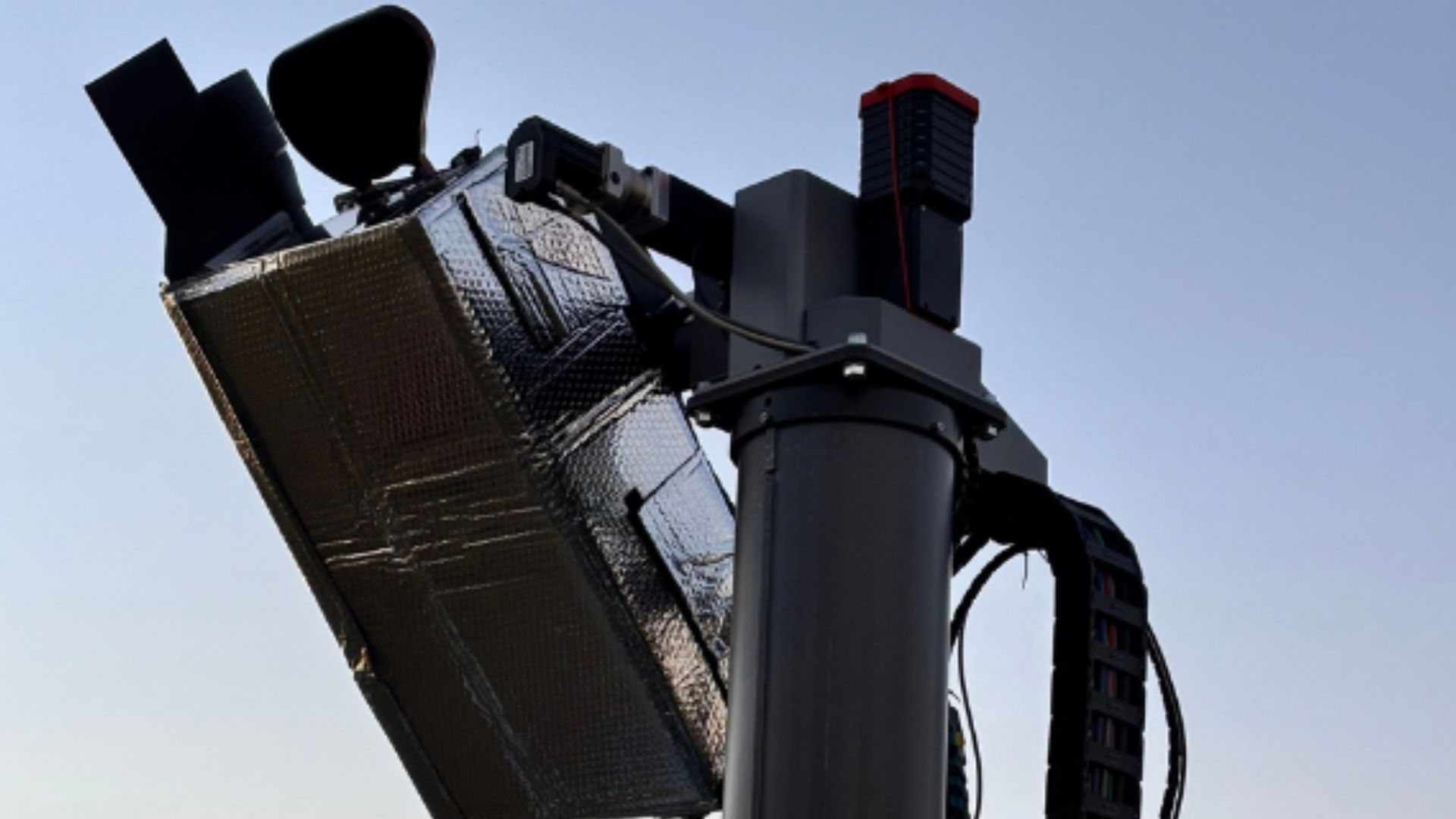
Amazon uses data from 1 million robots to power real-world machines
- The Robot Report
Will ‘boring’ robots win in the real world? Why robotic form should follow workflow
- New Atlas
Minuscule Swiss fiber motor keeps robots squishy and pliable
If you've already designed a soft-bodied robot, it kind of defeats the purpose if you just go and stick a rigid motor inside of it. That's why Swiss scientists have created a motor that takes the form of a thin, flexible fiber. Continue Reading Category: Robotics , Engineering Tags: EPFL , Soft Robotics , Artificial Muscles

- New Atlas
MIT’s drone brain neutralizes hazards in disaster zones
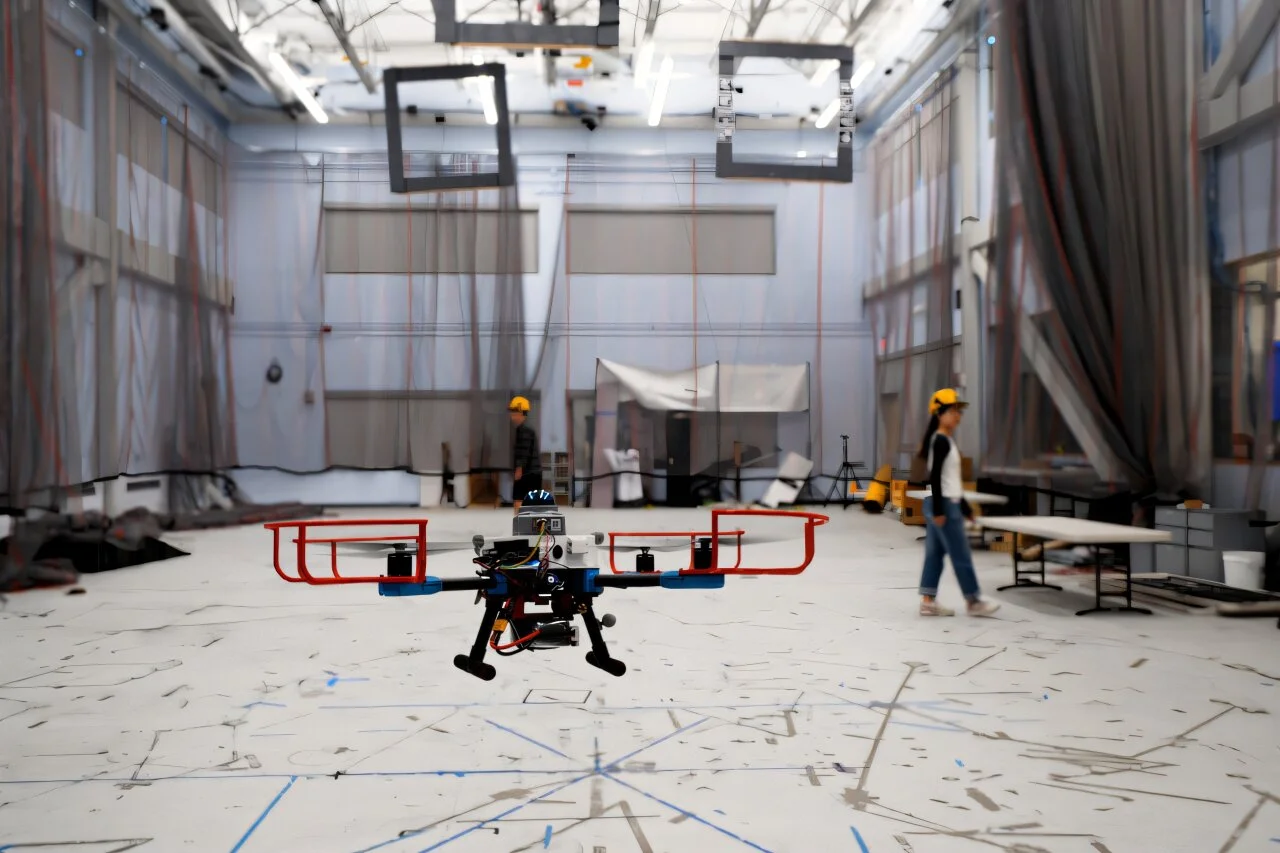
Disaster zones are terrible places to follow a preplanned route. Maps can be incomplete, debris can move, and the next hazard may arrive from any direction at any time. MIT’s new navigation system builds a safe flight corridor around the possible future movements of hazards, helping a drone avoid collisions even without a prior map. Continue Reading Category: Drones , Consumer Tech , Technology Tags: Robotics , Disasters , Mathematics , MIT , Mapping , Collision
- TechRadar
Worx Landroid Vision Cloud WR306E robot lawn mower review: efficient autonomous lawn care for medium swards
This month
- SESeoul Economic Daily
Robots Emerge as Next Growth Driver for Samsung, SK hynix
- Interesting Engineering
Autonomous combat drone capabilities to get massive expansion with $16 million funding boost
Ukrainian defense tech Buntar Aerospace has raised $16 million in a new financing round to...

- CHChosunbiz
Humanoid robots boost DRAM demand; Samsung, SK hynix seize new growth - CHOSUNBIZ
- TMTPost (Chinese)
Care workers are not people: how far away are we from robots supporting our retirement?
This path will not be a lightning war for general-purpose humanoid robots, but rather a long and arduous crossing.
- Jiemian (Chinese)
UBTECH: strategic partnership signed with Jianfa Group, jointly promoting 10,000-unit humanoid robot sales
On October 9th, UBTECH and Xiamen Jianfa Co., Ltd. held a strategic cooperation signing ceremony in Xiamen. The two parties will jointly establish a joint venture company as the operating entity for the "UBTECH Ecosystem Technology Center Fujian Headquarters", and plan to achieve a joint sales target of no fewer than 10,000 UBTECH humanoid robots by 2030.
- Interesting Engineering
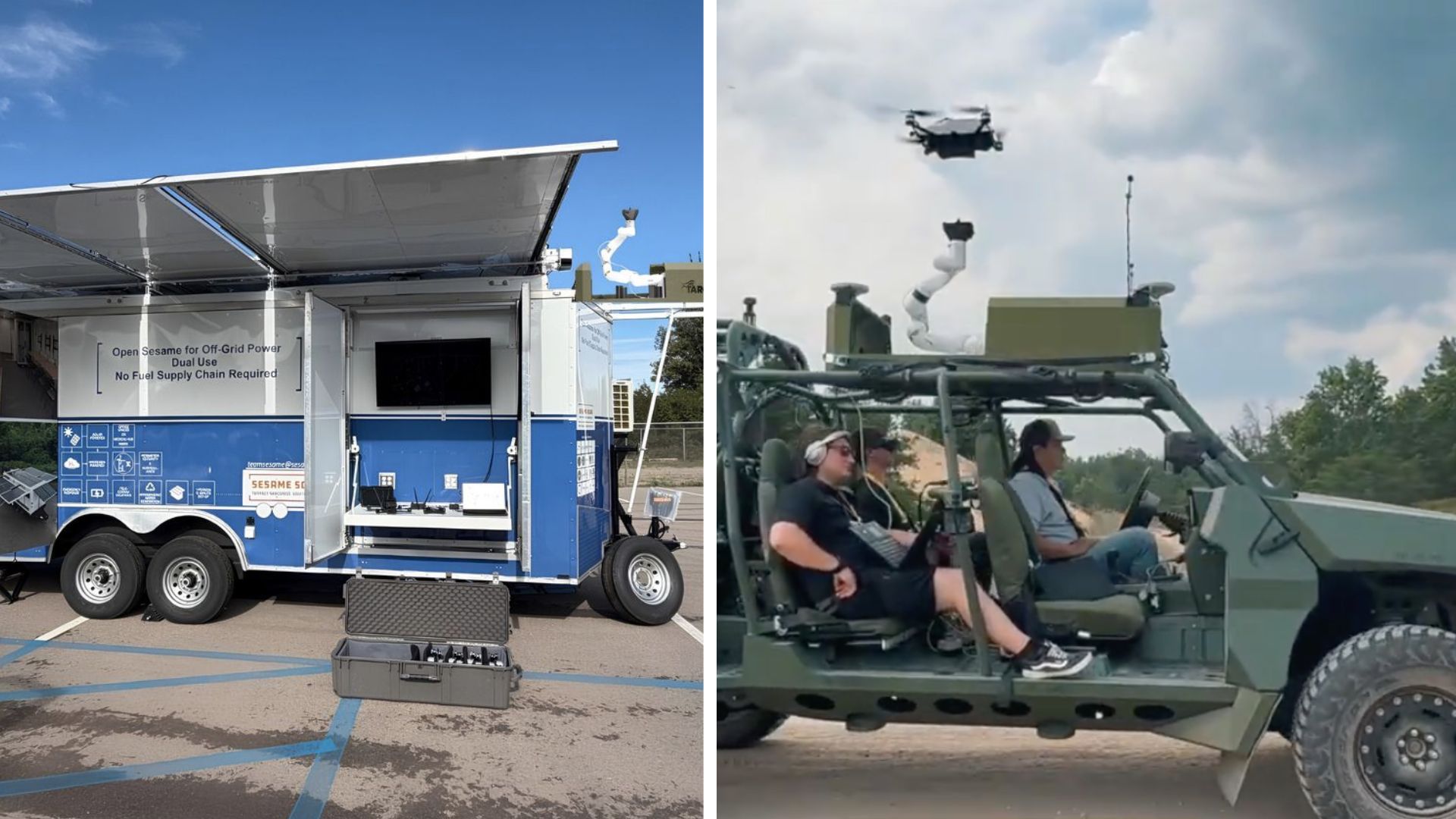
New system that generates power, charges drones, and offers launch space can transform warfare
A new system has been introduced and it integrates renewable energy, autonomous robotics and unmanned...
- Interesting Engineering
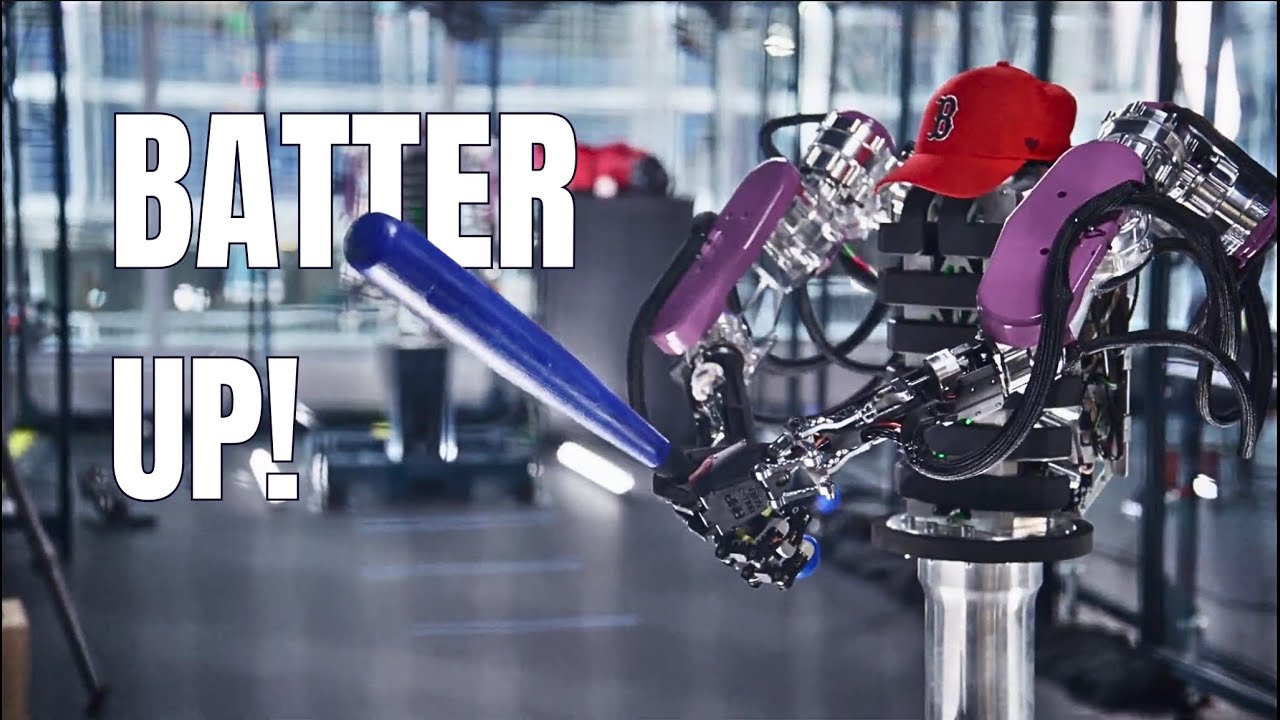
Watch: Two-armed robot throws, catches, and hits balls like a baseball champ
A new two-armed robot developed by the Robotics and AI Institute (RAI) has demonstrated its...
- Interesting Engineering
Arizona’s massive new solar project will supply 90% of its output to Tesla
ContourGlobal has announced a 509-megawatt solar power plant with a massive battery storage system as...

- Robot China (Chinese)
2026 China International Industry Fair: Embodied AI Arrives as KUKA Showcases Latest AI-enabled Advanced Manufacturing Practices
- New Atlas
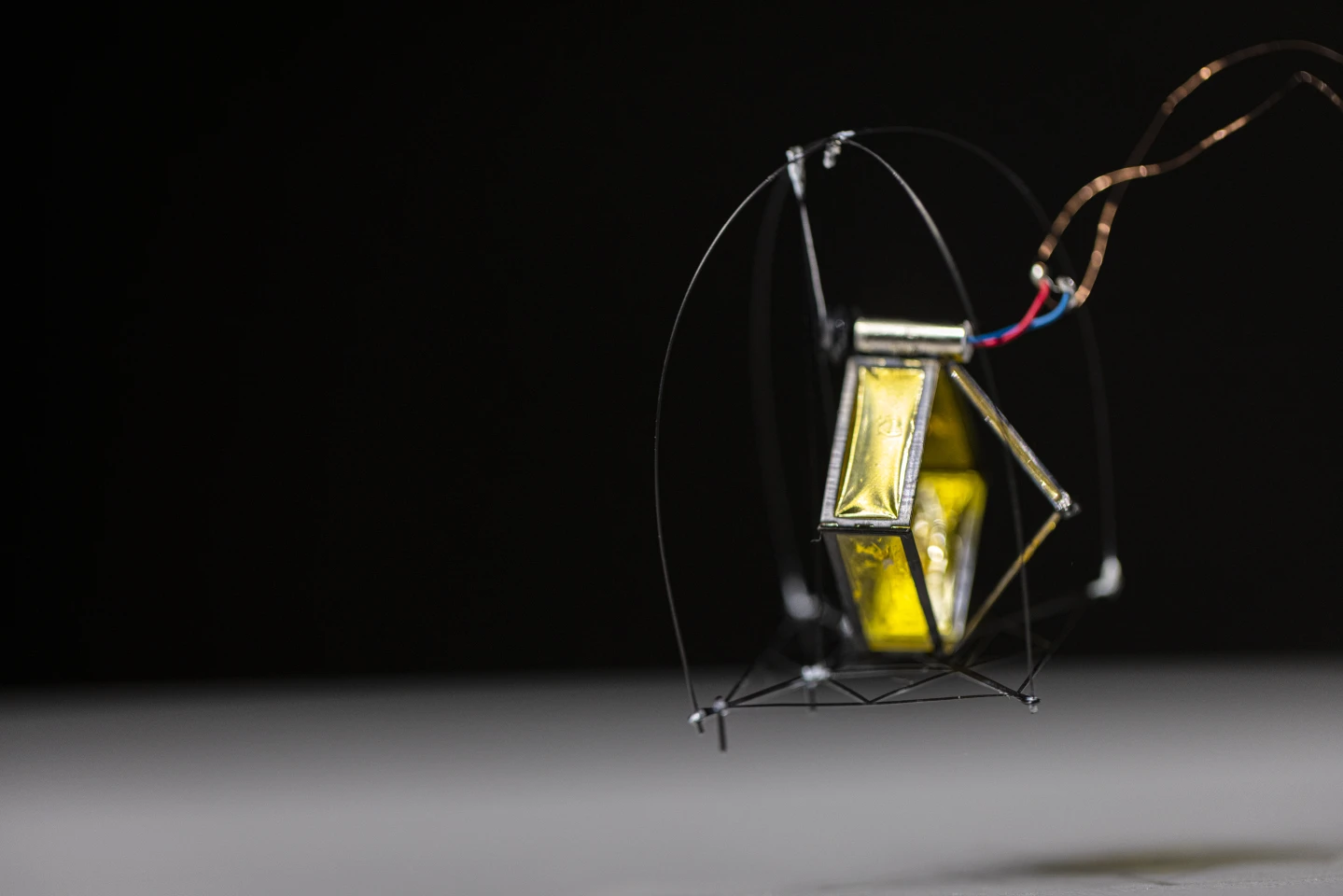
Next-gen hopping robot is the smart flea we didn't know we needed
We’ve already seen robots that can swim like fish, stick to walls like geckos, and grab objects like elephants. Now, engineers at the University of Washington are building a new type of robot inspired by … the flea. Continue Reading Category: Robotics , Engineering Tags: University of Washington , locomotion , Biomimicry
- 36Kr
SenseTime & Galaxy General Robotics Compete for 7-Eleven and Jinlimen Business
- Interesting Engineering
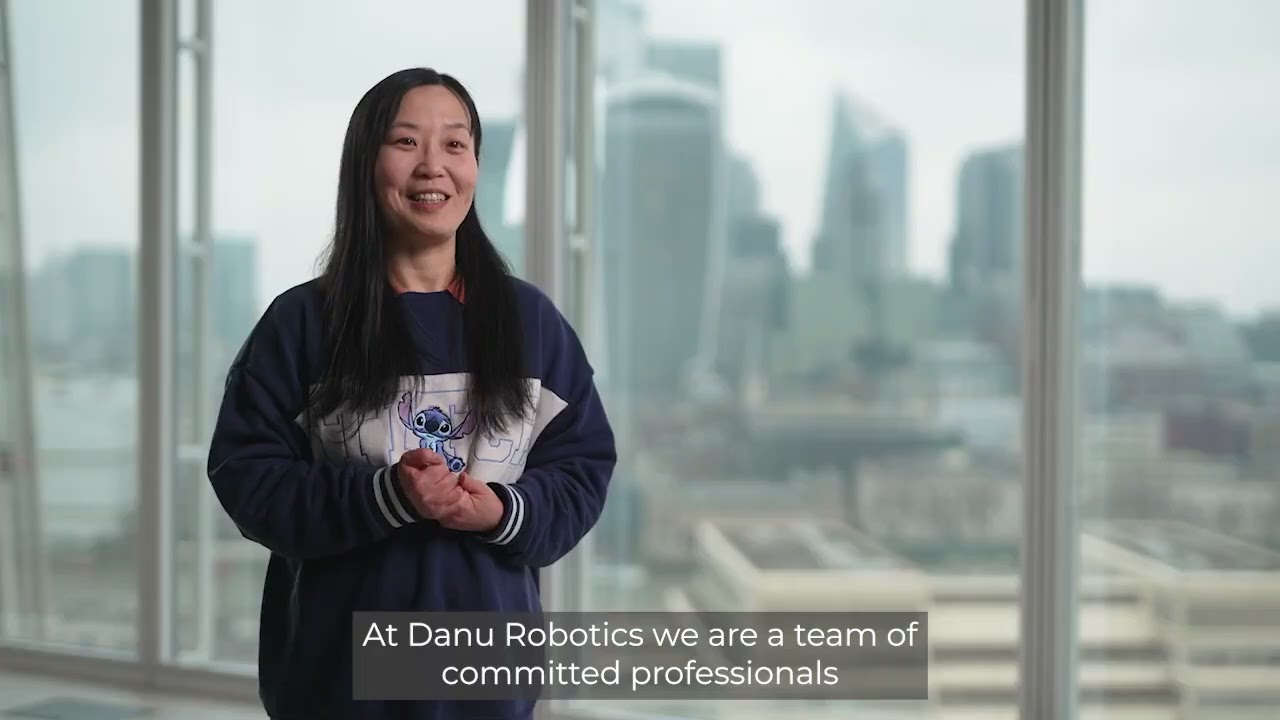
Vision-based waste-sorting robot identifies high-value recyclables in real time
Scotland-based Danu Robotics has just received $5 million in seed funding for its novel waste...
- Interesting Engineering
Autonomous heavy cargo drones airlift 143-pound loads to North Sea wind turbines
Ørsted reports that it has completed a new trial of a large cargo delivery drone...

- Forbes
What Are Humanoid Robots? Inside The Growing Industry And Where It’s Headed
- TechNode
LivSyn Robotics raises Series A funding for platform connecting robots with AI models
- South China Morning Post
China unveils smart robot designed to help farmers breed better strains of wheat
- South China Morning Post
Can China’s dancing robots swing some new business partners in Africa?
- LeiPhone (Chinese)
JEPA vs. Spatial Intelligence Route Head-to-Head: WorldArena 2.0 Challenge Tests 'Can Robots Really Be Put to Use?' | IROS 2026
The JEPA pathway achieves first victory: Shiqiqi Future Track 1 first place, Chenxunxian Track 2 second place. Author: Zhang Qiping, Xing Lijuan; Editor: Xing Lijuan. Competition in world models is shifting from 'generating the future' to 'can robots actually use it?' Video can be generated increasingly realistically, but once integrated into robotic systems, world models must answer more concrete questions: Can it predict state changes after action execution? Can it support policy training? Ultimately, can it complete tasks on real robots? WorldArena brings world models into the same 'testing arena.' This evaluation system was introduced jointly by Tsinghua University team and multiple universities domestically and internationally, and is one of the most authoritative benchmark leaderboards in the world model field. WorldArena 1.0 has already extended world model evaluation from pure video generation to preliminary embodied tasks including data generation, policy evaluation, and action planning. However, the overall focus remains primarily on visual input, offline tasks, and simulated environments. Real robot execution, online reinforcement learning feedback loops, multimodal visual-tactile perception, and systematic evaluation of noise, latency, and error accumulation in real deployment are still lacking. Addressing these gaps, WorldArena 2.0 further upgrades the evaluation system. Modalities expand from pure vision to visual-tactile; functionality extends from offline tasks to online reinforcement learning; platforms stretch from simulated environments to real robots. As one of the most influential international top-tier conferences in robotics, IROS features WorldArena 2.0 Challenge as a competition arena for real-robot closed-loop operations, with three tracks respectively targeting video quality, online reinforcement learning environments, and real robot manipulation. After competing for so long, the major world model schools of thought have finally...
- Financial Times
Inside the ‘robot gyms’ training machines for the real world
- LeiPhone (Chinese)
At This Year's IROS 2026, the Boundary Between Embodied AI Research and Industry is Dissolving
Model, data, and dexterous manipulation are all being engineered; the signal transmitted at the top conferences on embodied intelligence has shifted. Author | Qi Chengyong. Editor | Cen Feng. From September 27th to October 1st, IROS 2026, one of the world's premier international conferences in robotics, will open in Pittsburgh, USA. If you followed this conference in the past two years, you will have noticed everyone was then "hyping concepts". Who used a larger LLM, whose robot danced a flashier routine—it sounded impressive, but think about it carefully, most remained Lab demos. This year is different. From the main conference papers and Workshop lists released so far, our impression is very direct: the signal being transmitted at top conferences about embodied intelligence has changed. The entire conference direction is strikingly aligned; technical routes are clearly converging. LEI FENG NET sums it up into four trends: foundational models are beginning to internalise physical laws; the "big brain-small brain" architecture has shifted from a niche path to an industry standard; tactile sensing is no longer icing on the cake but a core variable in fine manipulation; data collection has completely shed its "premium price" label. Let me go through them one by one. 01 Embodied Foundation Models: Stop "semantic fitting" already; you need to understand physics. In the past two years, the mainstream approach to embedding large models in robots was actually quite crude: let LLM/VLM understand task semantics, then translate into actions. It looked like robots could understand human speech, but put it in a real environment and problems immediately surfaced: it knows what a "cup" is but not that a cup sliding off a table will break; it knows "push a door" but not that door handles have friction. Simply put, language models understand semantics but not physics. The core consensus of this year's IROS is: stop teaching robots to "recognise things", teach them to "understand the rules"—friction, gravity, deformation, uncertainty...
- LeiPhone (Chinese)
More Data ≠ Better Decisions: From Drone Gliding to Multi-Robot Communication, Rethinking the Relationship Between Data and Information | IROS 2026
What determines the ceiling of intelligence is never the absolute scale of data, but the quality and information density of data. Author | Cen Feng. In the generative AI wave, the robotics community is undergoing a paradigm shift from traditional control to end-to-end learning. As in many fields, there pervades a misconception about data scale, a deep belief that "more data equals more intelligence" is the only path to general embodied intelligence. However, at the just-concluded IEEE/RSJ International Conference on Intelligent Robots and Systems (IROS), Jen Jen Chung, lead researcher from the University of Queensland, combined over a decade of research cases in her keynote speech and offered a thought-provoking conclusion: not all data are created equal; blindly stacking data can even cause system collapse and strategy failure. Professor Chung struck at the core at the outset of her speech: massive data does not equate to high information content. Examples of possessing massive data yet gaining nothing are legion, because much data cannot help us truly understand the essence of problems. On the path to general autonomous systems, what determines the ceiling of intelligence is never the absolute scale of data, but the quality and information density of data. Early in her research career, in her autonomous gliding unmanned aerial vehicle project, Professor Chung deeply appreciated that "exploration has a cost". To enable fixed-wing UAVs to autonomously harness rising air currents like birds, precious energy must be expended exploring unknown state-action spaces. This forced her to ask: when to collect data? how to collect data? Blind, uniform sampling not only wastes resources but may even slow learning. This series of early research made her realise: data value is not uniformly distributed; high-value information collected on demand far surpasses massive, indiscriminate redundant observations. This profound insight into the non-homogeneity of data value, in distribution...
- LeiPhone (Chinese)
Making Tactile Sensation Scalable Like Vision: Columbia's Li Yunzhu Team's FlexiTac Open-Source Practice | IROS 2026
The FlexiTac resistive tactile sensor balances flexibility, low cost, and consistency. Author: Xiang Xin; Editor: Cen Feng. While robots' visual capabilities are rapidly strengthening, tactile perception remains a weak link in embodied AI systems. Particularly in fine manipulation scenarios where objects are occluded, transparent, fragile, or require precise judgment of contact force and in-hand pose, vision alone often cannot confirm whether a robot has truly grasped an object securely or whether slippage has occurred, nor can it reliably achieve force control and compliant interaction. Unlike the vision domain, which has formed a relatively unified sensor and data ecosystem, tactile research has yet to achieve similar convergence. Different laboratories typically use different types of tactile sensors, but all face the dilemma of simultaneously balancing lifetime, flexibility, multidimensional information sensing, resolution, cost, and consistency. This makes tactile data collection, algorithm research, and reproducibility across different systems increasingly difficult. How can tactile perception become, like vision, a foundational sensing capability that can be used by more robots, collected in large quantities, and repeatedly leveraged by algorithms? Addressing this question, a team at Columbia University led by Li Yunzhu proposed an open-source flexible resistive tactile sensor platform, FlexiTac. At this year's IROS 2026 tactile research workshop, Li Yunzhu systematically introduced the platform's progress and ecosystem after one and a half years of open-sourcing. FlexiTac is a low-cost, open-source, scalable resistive flexible tactile sensor platform, with the team simultaneously open-sourcing complete BOM, detailed assembly instructions, and software for reading tactile data. FlexiTac employs an FPC and force-sensitive film laminated structure, requiring only 3 minutes to assemble, and can be bent, cut, and wrapped around different geometric surfaces, adapting to multiple forms such as gloves, fingertips, or robot skin. Its core advantages...
- Interesting Engineering
Giant tortoise count hits 183,000 on Seychelles island, study shows
As many as 183,000 giant tortoises thrive in the Seychelles, a new survey has found. ...

- Interesting Engineering
Silica gel helps new sweat-sensing smartwatch start monitoring without long delays
Researchers in Japan have developed a wristwatch-type sensor that tracked sweat-related sodium and potassium signals...

- Interesting Engineering
US, Toyota researchers develop water-based binder to ease lithium-ion battery recycling
Researchers at the University of California San Diego and Toyota Research Institute of North America...

- New Atlas
The Honda NSX rises ... with more horsepower and carbon fiber
For decades, the original Honda NSX has stolen hearts and captured the imagination of sportscar enthusiasts worldwide. More than 35 years since its debut, the iconic two-door is making a comeback – but only for a lucky (and loaded) few. Continue Reading Category: Automotive , Transport Tags: Honda , nsx , Sports Cars , Pininfarina , Retro , Luxury

- SiliconANGLE
Warehouse robot maker Ultra Robotics bags $62M
- Forbes
Hexagon Is Putting 1,000 Humanoid Robots In Schaeffler Factories. This Is Not A Copy-Paste Process
- Gasgoo
IDC: AgiBot Leads Global Humanoid Robot Shipments With Over 8,600 Units in H1
- GAGasgoo
Inspire Robots Debuts 22-DOF Fully Direct-Drive Dexterous Hand at IROS 2026
- Unite.AI
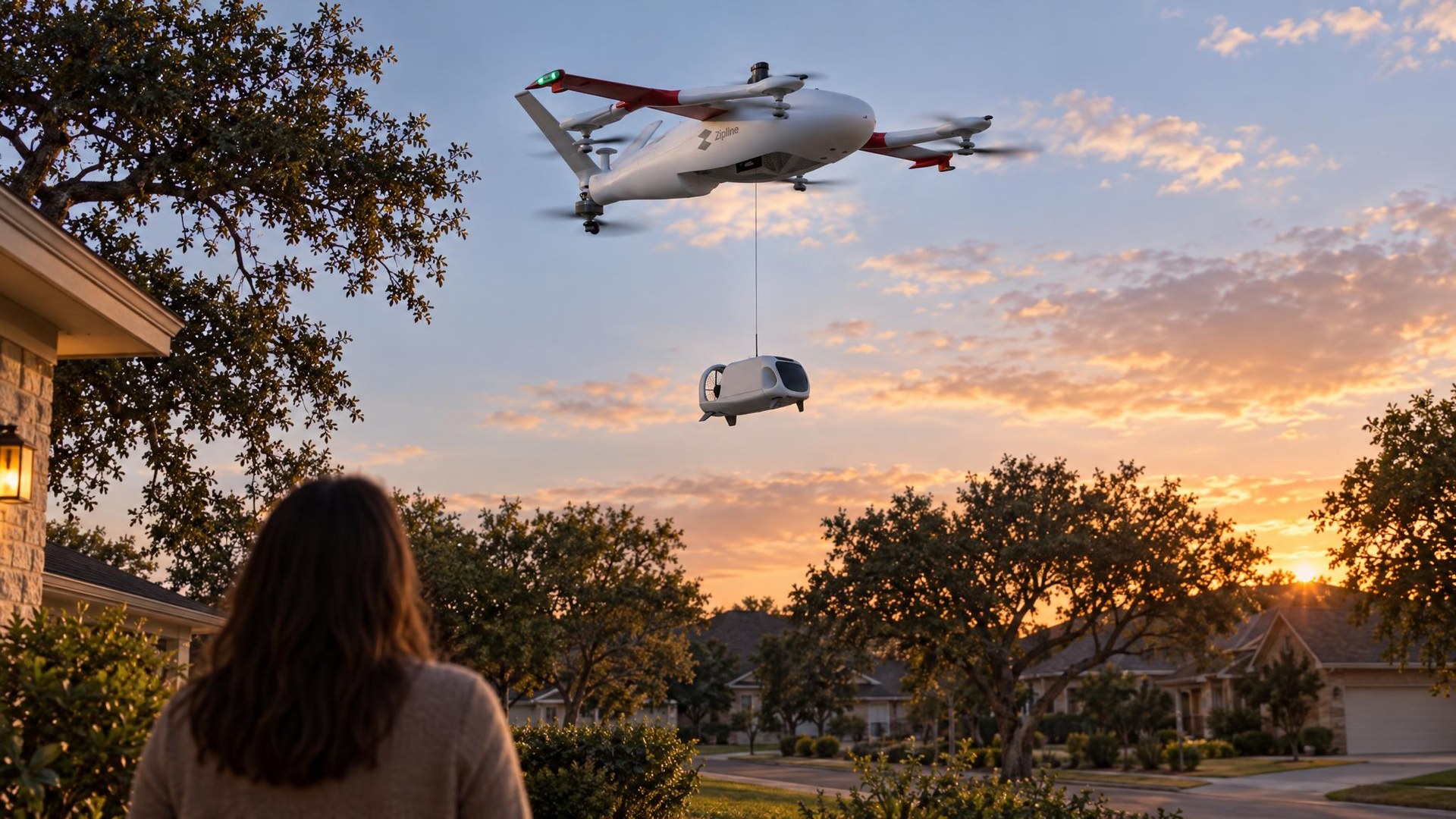
Zipline Launches First Flight Drone Delivery Program in Austin
Zipline launched its First Flight early-access program in Austin on October 9, 2026, opening autonomous drone delivery to the first 5,000 residents who register. The service starts in Round Rock, and Zipline said it will expand availability throughout Austin over time. Zipline described Austin as Texas's fastest-growing metro area. Residents register by downloading the Zipline app from the App Store or Google Play and creating an account. First Flight members receive $10 off each of their first…
- New Atlas
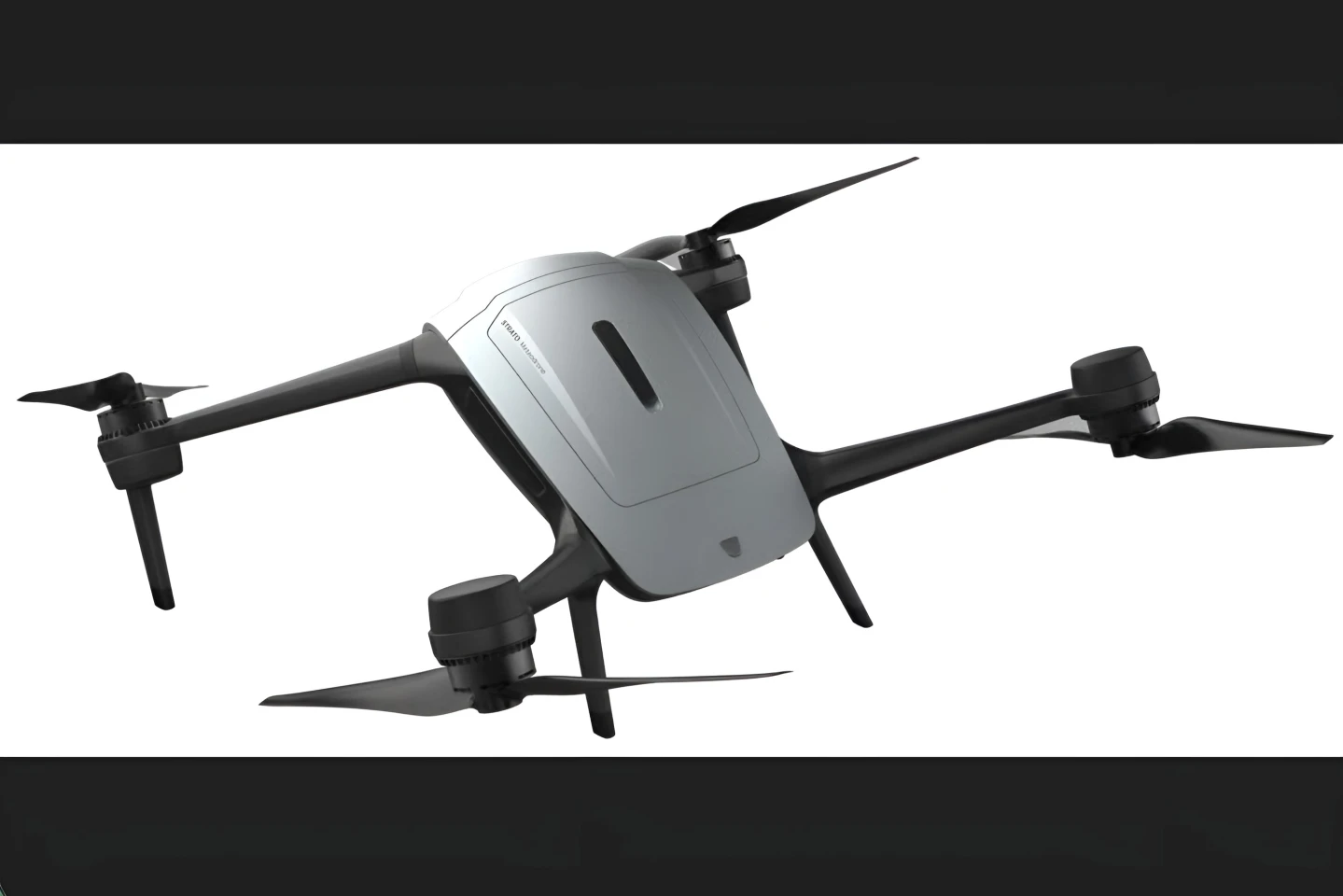
Stratospheric drone could make weather balloons obsolete
Weather balloons are wasteful, and not very eco-friendly – they burst upon reaching high altitudes, then fall back to the earth as trash that rarely gets recovered. That's why there's now a reusable multicopter weather drone that can fly to the edge of the stratosphere. Continue Reading Category: Drones , Consumer Tech , Technology Tags: Weather , High Altitude , Quadcopter
- The Robot Report
Groceryshop 2026 shows that retail robots are ready to scale, use AI
- Interesting Engineering
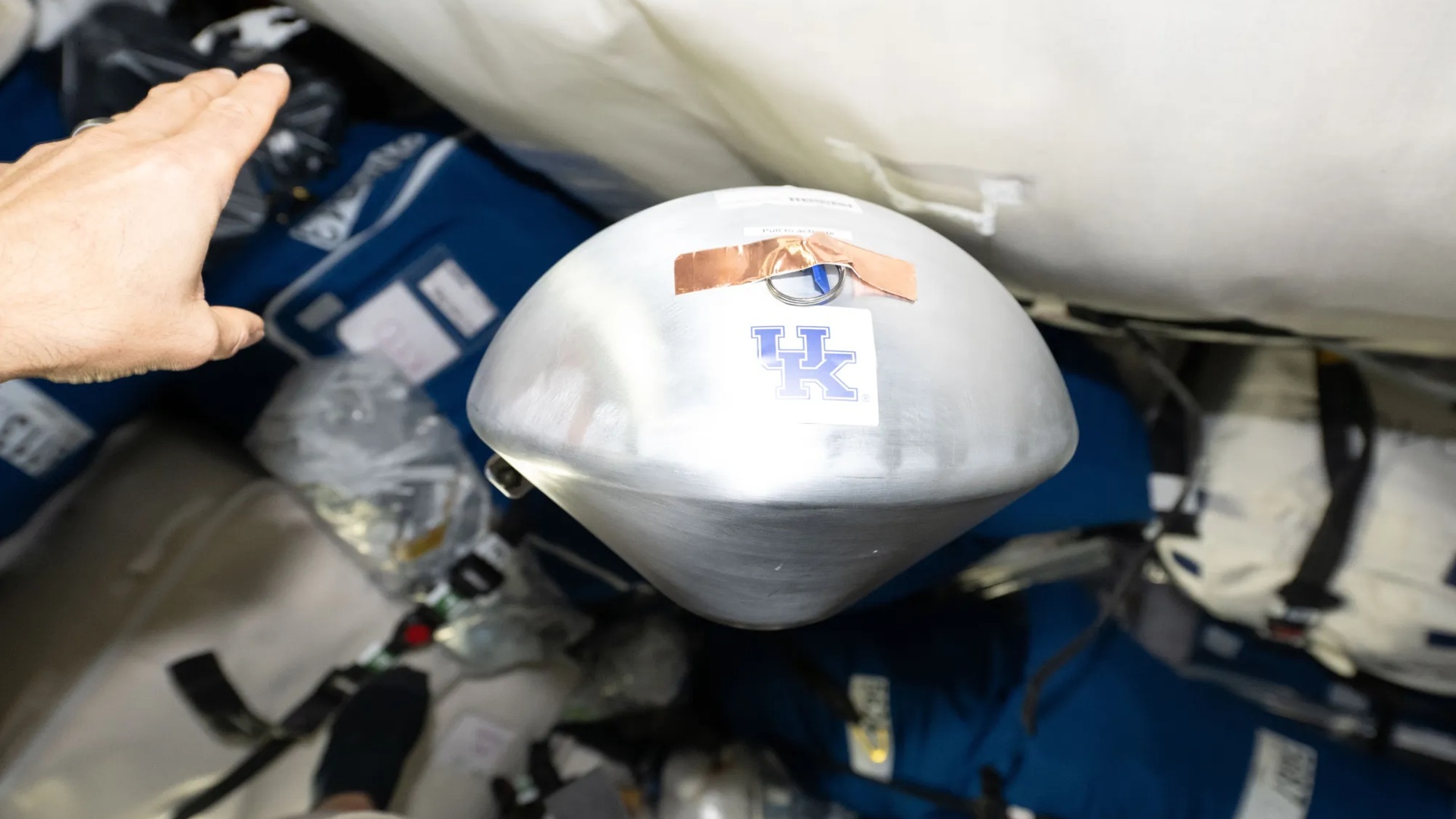
NASA tests 12 next-gen heat shields aboard trash-filled spacecraft for Mars missions
NASA is preparing to test 12 experimental heat shield capsules during the fiery destruction of...
- The Robot Report
Why humanoid robot demos still fail the generalization test
- The Verge
The Samsung Galaxy S26 Ultra is down to $950 after Prime Day
Amazon has the Samsung Galaxy S26 Ultra in black with 256GB of storage discounted to $949.99, a healthy discount from its usual price of $1,399.99. This phone’s standout feature is the adjustable privacy display, which can hide your entire screen, or just portions of it, from onlookers and strangers. It doesn’t meaningfully hurt the screen’s […]

- The Verge
Amazon’s new Kindles appear to have a light leak problem
Some users are reporting that the new Kindles have a light leak issue that is especially apparent when using dark mode. The latest base-model Kindles have a flush bezel that gives them a sleek appearance and looks great… as long as you keep the lights on. But things can change once you turn down the […]

- The Robot Report
Boston Dynamics gives more insight into its redesigned humanoid hand