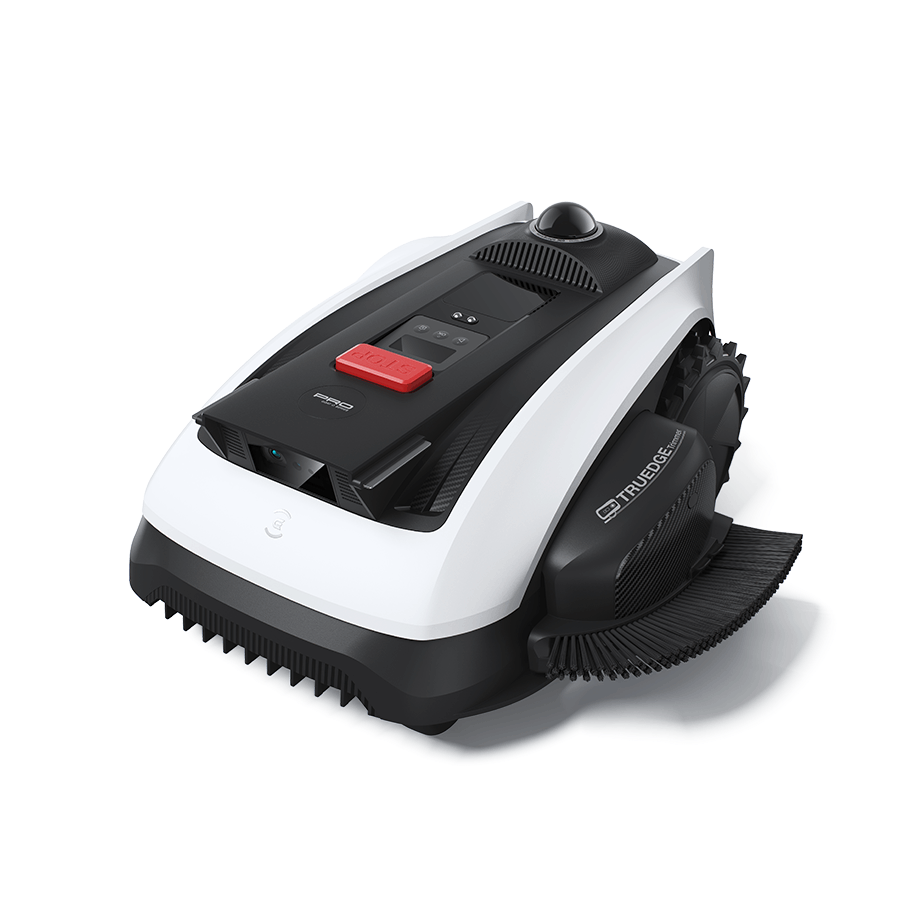
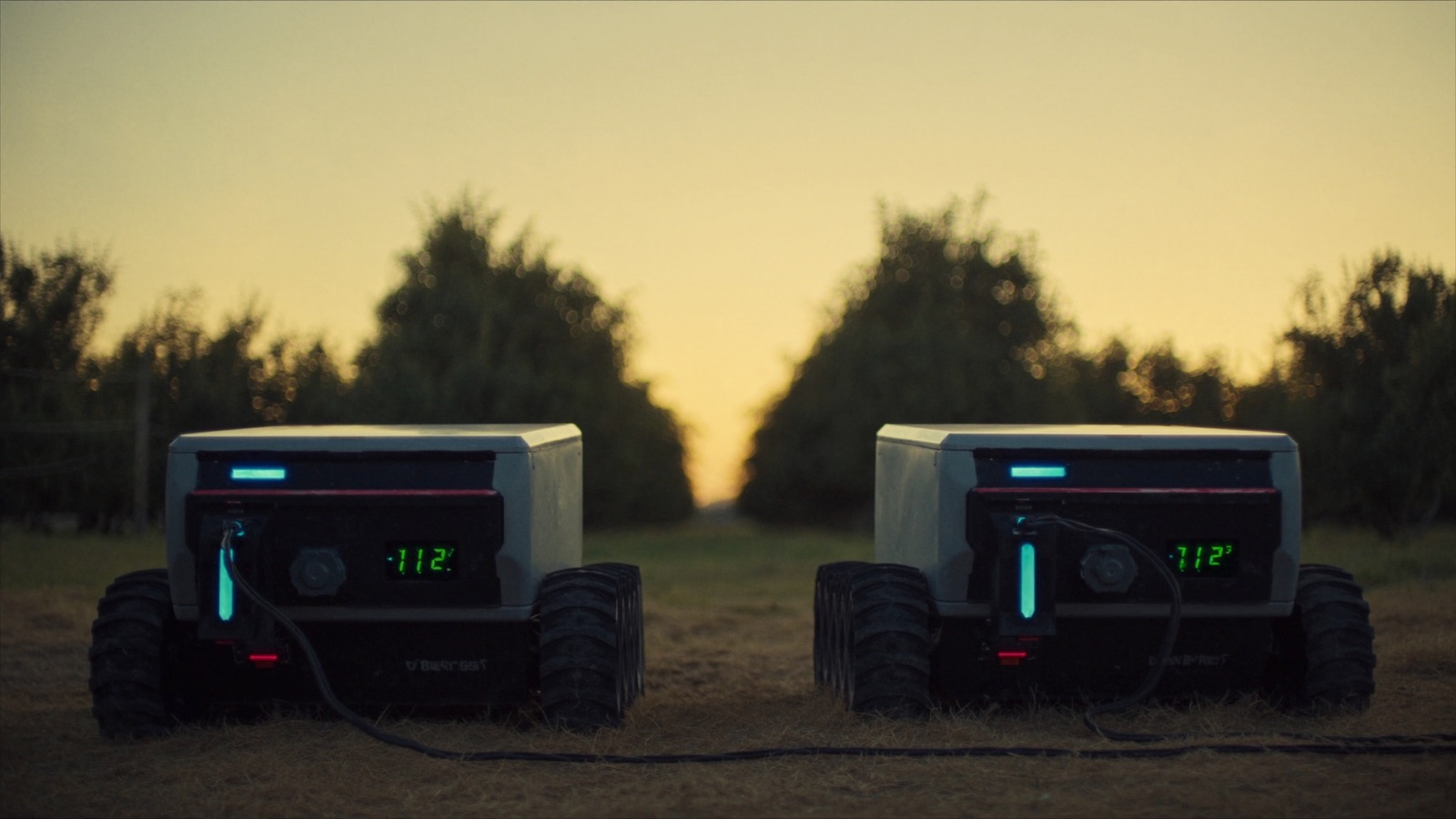
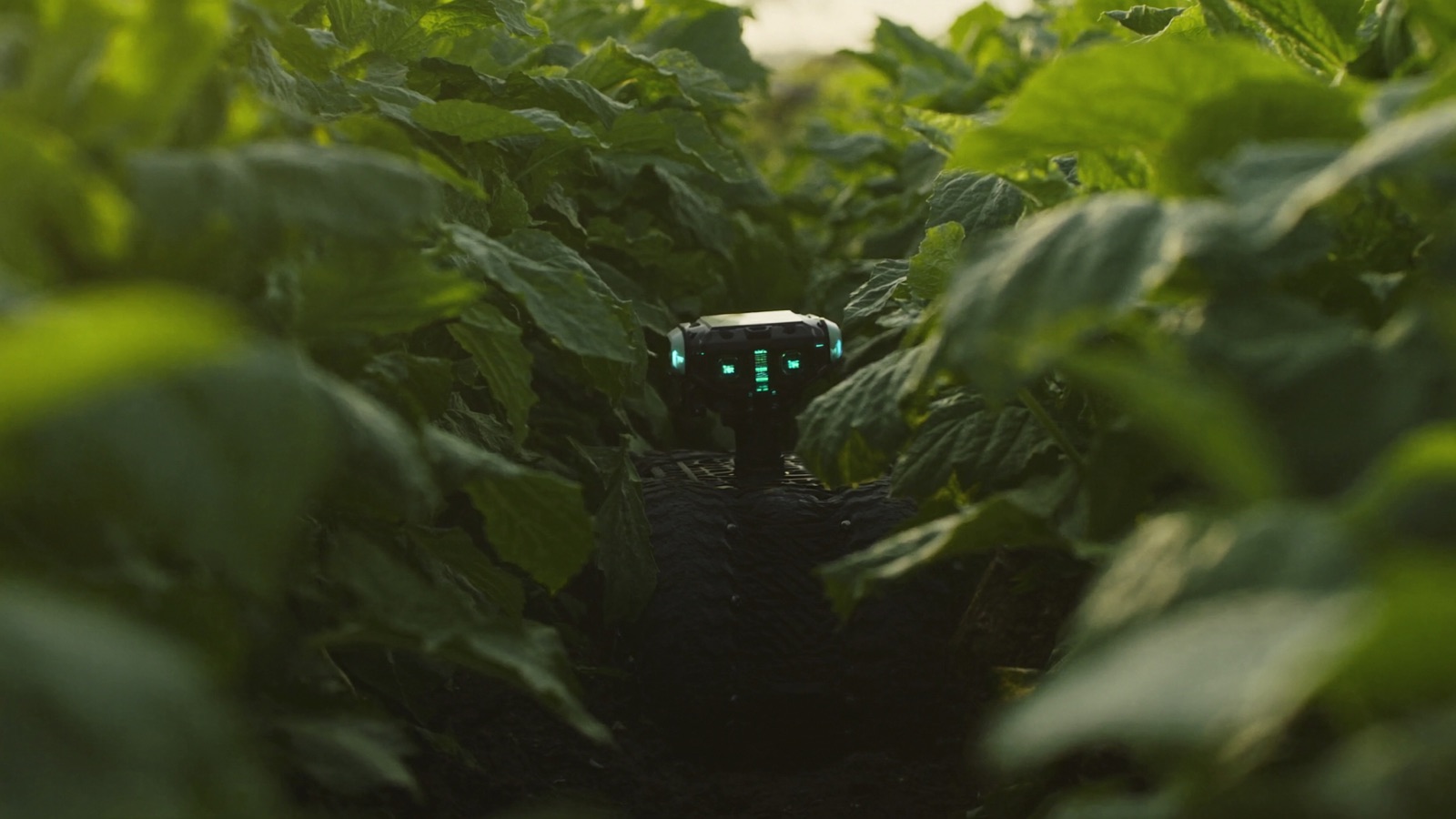
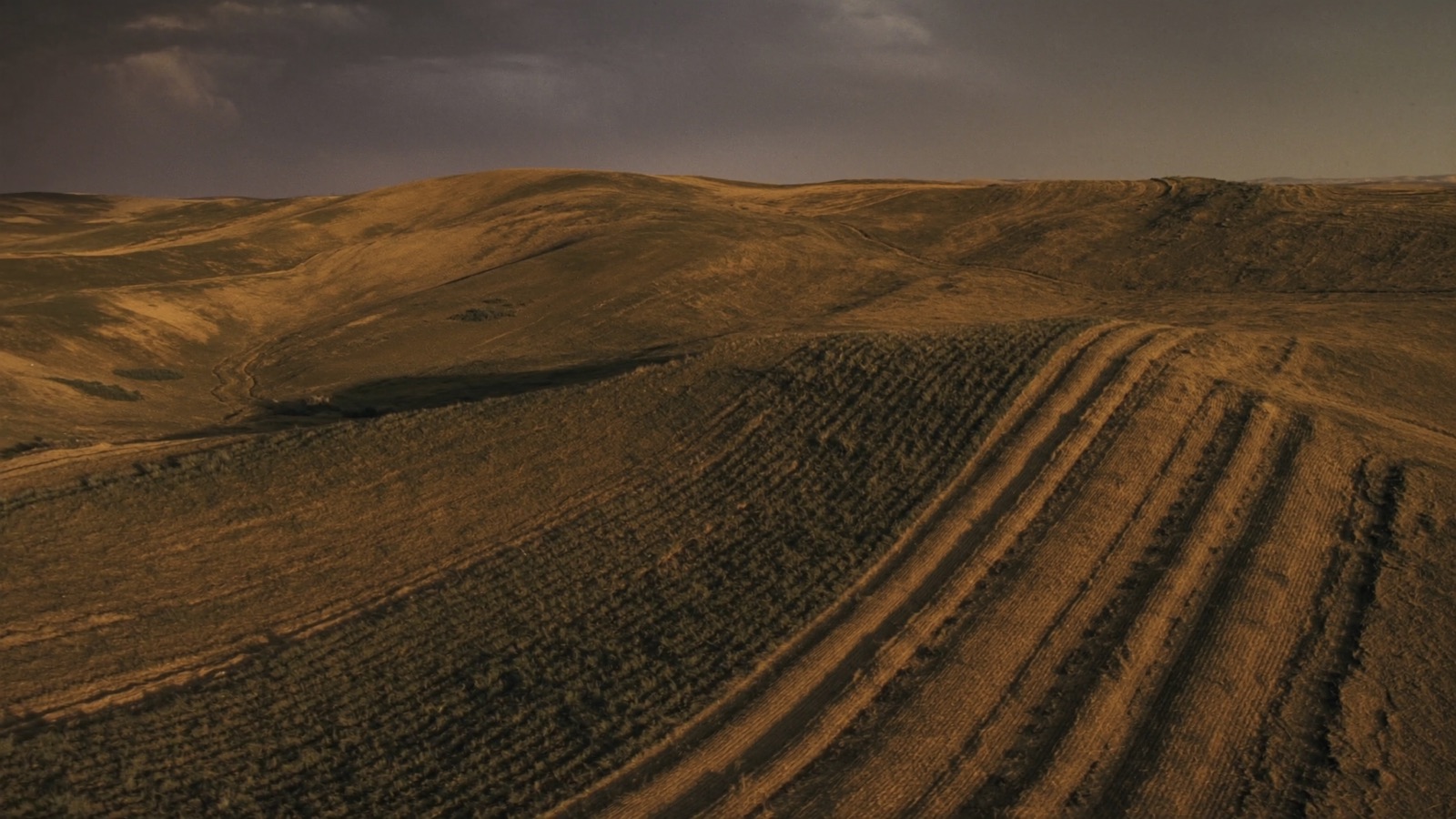
The Pyrolizer is a Agricultural robot developed by Applied Carbon (United States), launched 2024, listed at $300,000 USD (unverified).
RoboScore
Adequate evidence
No confirmed deployment on record — this score reflects the rest of the record, not verified adoption.
4 of 9 signals present
Recomputed nightly from public data. Missing data is skipped, never zero-filled — and rankings are never for sale.
Weighted factors
average of the 4 scored · blanks don't count
Ranked #50 of 66 in the Agricultural standing.
See the standingWhere it has stood71 days · best #35 · worst #50
Nothing changed about this robot itself — what you can see is the field shifting around it, or its maker's news rising and ageing.
One reading per day since 3 Aug, when the current ordering began. The rank above is the reading for 13 Oct, taken against 66 robots — the standing itself is live, so a robot added since then counts there and not here yet.
Will it fit your job?
Tell us the job in plain words — we'll show how this robot measures up, line by line.
Tell us what your job needs — payload, budget, region, must-have certifications — and we'll show how Pyrolizer measures up, requirement by requirement. The RoboScore (trust) above is shown for every buyer, regardless.
Overview
Applied Carbon has developed a mobile, in-field agricultural robot called a pyrolizer that picks up crop waste left after harvesting and converts it into carbon-rich biochar in a single pass. The resulting product is deposited back onto the field, simultaneously increasing soil health, improving crop yields, reducing fertilizer needs, and providing a carbon removal and storage solution that lasts millions of years. The machine picks up field residues such as corn, rice, and cotton, chops it up and blows it into a processor that prepares the material for the reactor. The reactor heats the biomass to 1,000ºF in a limited-oxygen environment creating biochar and syngas, a gaseous substance. A fraction of the syngas burns to generate the heat to sustain the pyrolysis reaction. The excess syngas moves through a cyclone to remove fine particles, then enters a thermal oxidizer to destroy exhaust, until it releases as clean heat. The resulting biochar is drenched with water and spread onto the field with minimal soil disturbance.
Flagship features
- Fully automated operation with remote monitoring via app
- Heat exchanger integrated into hood for process heat recovery (up to 240 kW)
- Can be operated manually for test series
- Modular design for quick setup and outdoor installation
- Three-phase electrical connection required (32 A rated current)
- Water connection needed (minimum 1 inch pipe diameter)
Buyer decision signals
Viability
XPRIZE finalist
Price
Unverified — no source on record
Availability
Specifications
Category: Agricultural- Launch year
- 2024
- Price
- $300,000 USD
- Status
- active
Unverified — no source on record
Company profile
- Founded
- 2020
Detailed specifications
What it is built for3
- Applications
- weeding,soil sampling
- Sub Category
- weeding robot
- Industries Served
- row crops
Buying & support1
- Availability Status
- prototype
Other details6
- Powertrain
- battery electric
- Terrain Type
- flat,row crop field
- Crops Supported
- wood chips,digestate,branch cuttings
- Outdoor Capable
- Yes
- Weather Resistant
- Yes
- Autonomy Sae Level
- 4
Who runs it· deployment evidence
No deployment evidence on file
A deployment is recorded when a public source names the customer, or the maker confirms it. Nothing here counts against this robot.
6 other robots in this category have one.
Add a deployment →Where to buy
Get a price or reach an authorized seller — pick your region, then request a quote.
No authorized seller is listed for this robot yet — request a quote below and we’ll connect you with Applied Carbon or an authorized seller.
Request a quote — goes straight to Applied Carbon.
Every authorized seller serving your region is shown equally — placement is never sold, and this data never affects a robot’s score. A seller’s absence here doesn’t mean they aren’t authorized.
Company milestones
- 2024MilestoneXPRIZE finalist
- 2024FundingSeries A financing
- 2024AwardWilkes Climate Launch Prize
- 2024MilestoneWorld's first mobile pyrolyzer described
- 2024DeploymentFleet expansion underway
- 2024MilestoneSeries A funding announced
- 2020MilestoneFounded as Climate Robotics
Frequently asked questions
- Who makes the Pyrolizer?
- The Pyrolizer is developed by Applied Carbon, based in United States.
- What type of robot is the Pyrolizer?
- The Pyrolizer is a Agricultural robot made by Applied Carbon.
- How much does the Pyrolizer cost?
- The Pyrolizer is listed at $300,000 USD in the Robolist catalogue, but this figure is unverified and not confirmed by Applied Carbon — contact them for a quote.
- When was the Pyrolizer launched?
- The Pyrolizer was launched in 2024.
Reviews for Pyrolizer
Loading reviews…