Are you a robotics manufacturer?
Claim your page to correct your specs and keep your listing current.
Yamaha Robotics is a robotics company founded 1984, based in Japan, developing 21 robots primarily in the Industrial Arm category.
CAPITAL & EVIDENCE
Shipped
No deployment evidence on file
A deployment is recorded when a public source names both the customer and the robot, or the maker confirms it. Nothing here counts against Yamaha Robotics.
In Industrial Arm, Recognition Robotics, Hirebotics and Yarbo have deployment evidence on file.
Add a deployment →Industrial robots and SCARA systems for assembly and transfer automation.
Yamaha Motor’s Robotics Business Unit builds SCARA and other industrial robots, including the YK-TW orbit type and YK-XG series, for factory automation tasks such as assembly and transfer of workpieces. The business is based in Hamamatsu, Japan, and its product pages position these robots for precision pick-and-place and high-speed motion applications in industrial manufacturing.
Company facts
- HQ
- Hamamatsu, Japan
- Founded
- 1984 · 42 yrs
RoboScore
66.34 RoboScore + 0.00 Momentum· Very strong evidence
Products 65%, Depth 5%, Evidence 30% set the number, and every rated company has all three. Attention has no weight of its own — it is one of the two things Evidence is built from, and it can only ever add. Activity and Readiness describe the brand but never move it. A value we don't have reads —, never zero. Momentum is independently collected news coverage, worth at most 15 points and never a deduction — a maker we have heard nothing about keeps its full RoboScore. Claiming or paying moves nothing.
6 of 6 factors known. How it's calculated
Milestones
Yamaha Motor says its industrial robot development began in 1984.
Press coverage
- Orbit type SCARA robots YK-TW
Yamaha Motor Global
- Medium type SCARA robots YK-XG
Yamaha Motor Global
Public loss record
Japanese workplace accidents reach the labour ministry and product incidents reach NITE. We read both, and they are small files.
Active products by Yamaha Robotics
21 shown| # | Category | Key specs | |||||
|---|---|---|---|---|---|---|---|
| 1 | 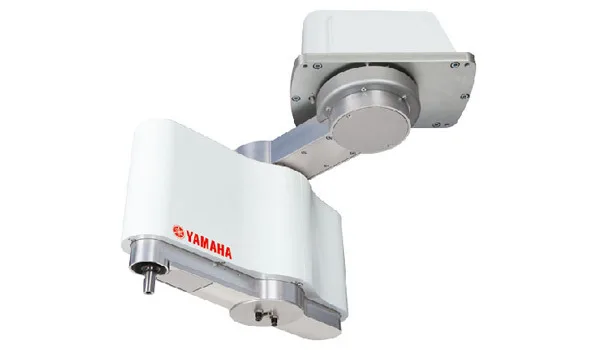 | YK500TW | Industrial Arm | Repeatability ±0.01 mm·DOF 6 DOF | — | 2012 | 75.0 |
| 2 | 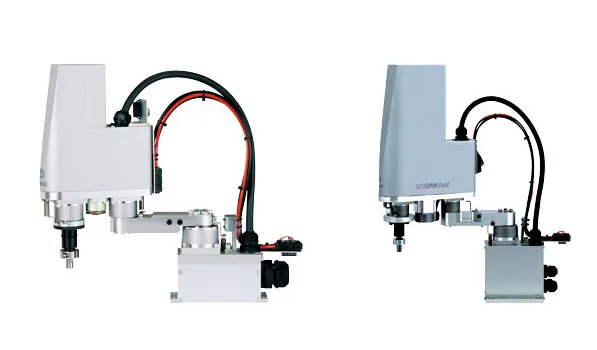 | YK180XG | Industrial Arm | Repeatability ±0.05 mm·DOF 4 DOF | — | 2022 | 71.0 |
| 3 | YK180X | Industrial Arm | Repeatability ±0.1 mm·DOF 4 DOF | — | 2022 | 69.9 | |
| 4 | 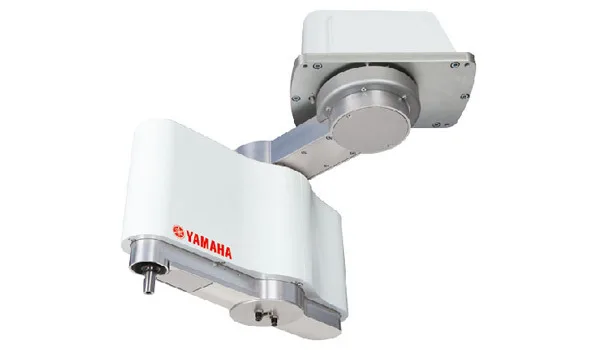 | YK-TW | Industrial Arm | Reach 500 mm·Payload 5 kg | — | 2012 | 66.8 |
| 5 | YK610XE-10 | Industrial Arm | DOF 4 DOF | — | 2020 | 61.0 | |
| 6 | YK710XE-10 | Industrial Arm | Repeatability ±0.1 mm·DOF 6 DOF | — | 2022 | 59.3 | |
| 7 | YK120XG | Industrial Arm | Repeatability ±0.1 mm·DOF 4 DOF | — | — | 59.0 | |
| 8 | YK400XG | Industrial Arm | Repeatability ±0.05 mm·DOF 4 DOF | — | 2022 | 58.3 | |
| 9 | 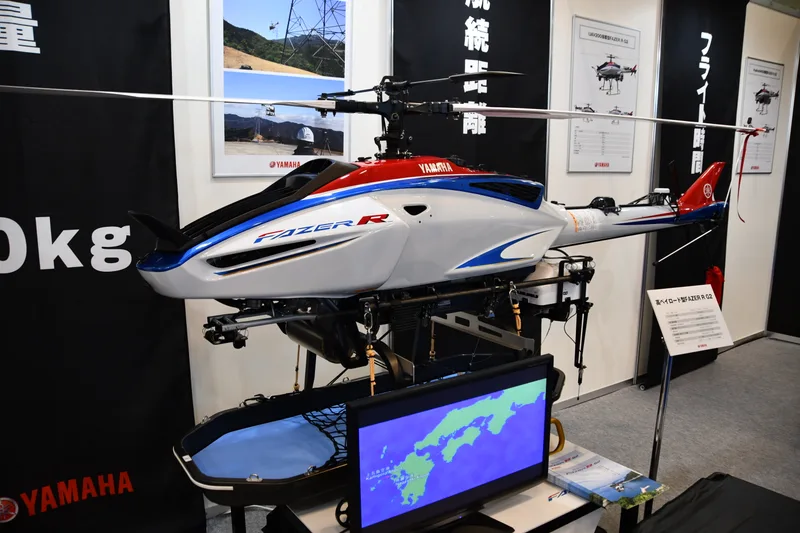 | Yamaha Fazer R G2 | Research | Payload 50 kg·Top speed 20 m/s | $130K | 2022 | 58.2 |
| 10 | YK400XE-4 | Industrial Arm | Repeatability ±0.05 mm·DOF 6 DOF | — | — | 57.3 | |
| 11 | 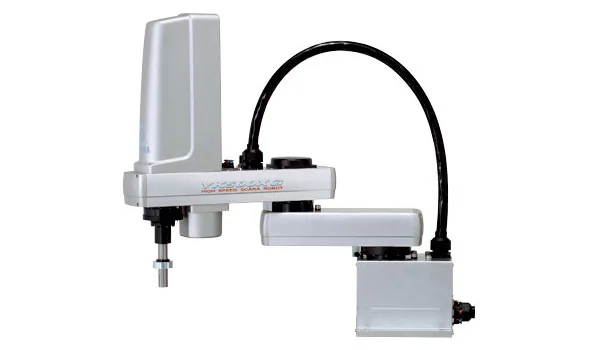 | YK600XGL | Industrial Arm | Repeatability ±0.1 mm·DOF 4 DOF | — | — | 56.3 |
| 12 | 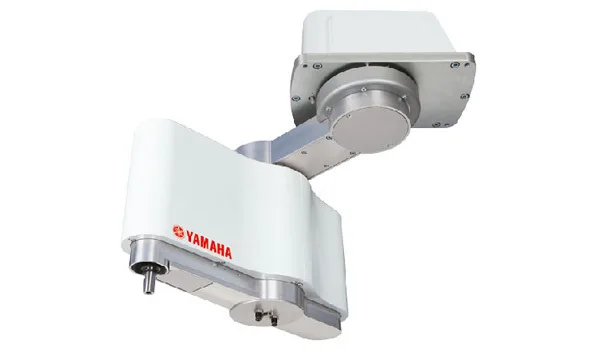 | YK350TW | Industrial Arm | Repeatability ±0.01 mm·DOF 6 DOF | — | — | 56.1 |
| 13 | 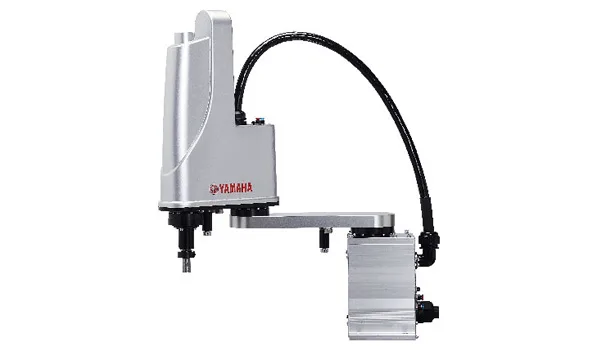 | YK250XG | Industrial Arm | DOF 4 DOF | — | — | 55.7 |
| 14 | YK350XG | Industrial Arm | Repeatability ±0.1 mm·DOF 4 DOF | — | — | 55.5 | |
| 15 | YK150XG | Industrial Arm | Repeatability ±0.01 mm·DOF 4 DOF | — | — | 55.3 | |
| 16 | YK220X | Industrial Arm | Repeatability ±0.001 mm·DOF 4 DOF | — | — | 55.3 | |
| 17 | YK600XG | Industrial Arm | Repeatability ±0.1 mm·DOF 4 DOF | — | — | 55.3 | |
| 18 | YK500XG | Industrial Arm | Repeatability ±0.1 mm·DOF 4 DOF | — | — | 55.2 | |
| 19 | YK600XGH | Industrial Arm | Repeatability ±0.01 mm·DOF 4 DOF | — | — | 55.2 | |
| 20 | YK500XGL | Industrial Arm | DOF 4 DOF | — | — | 53.1 | |
| 21 | 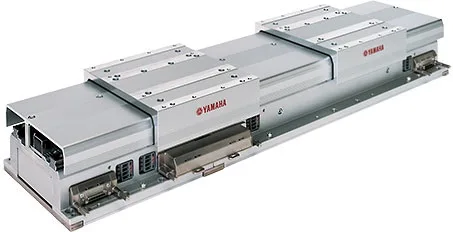 | XY-X Series | Industrial Arm | — | — | — | 44.5 |
Industrial Arm buying guides
Industry Knowledge →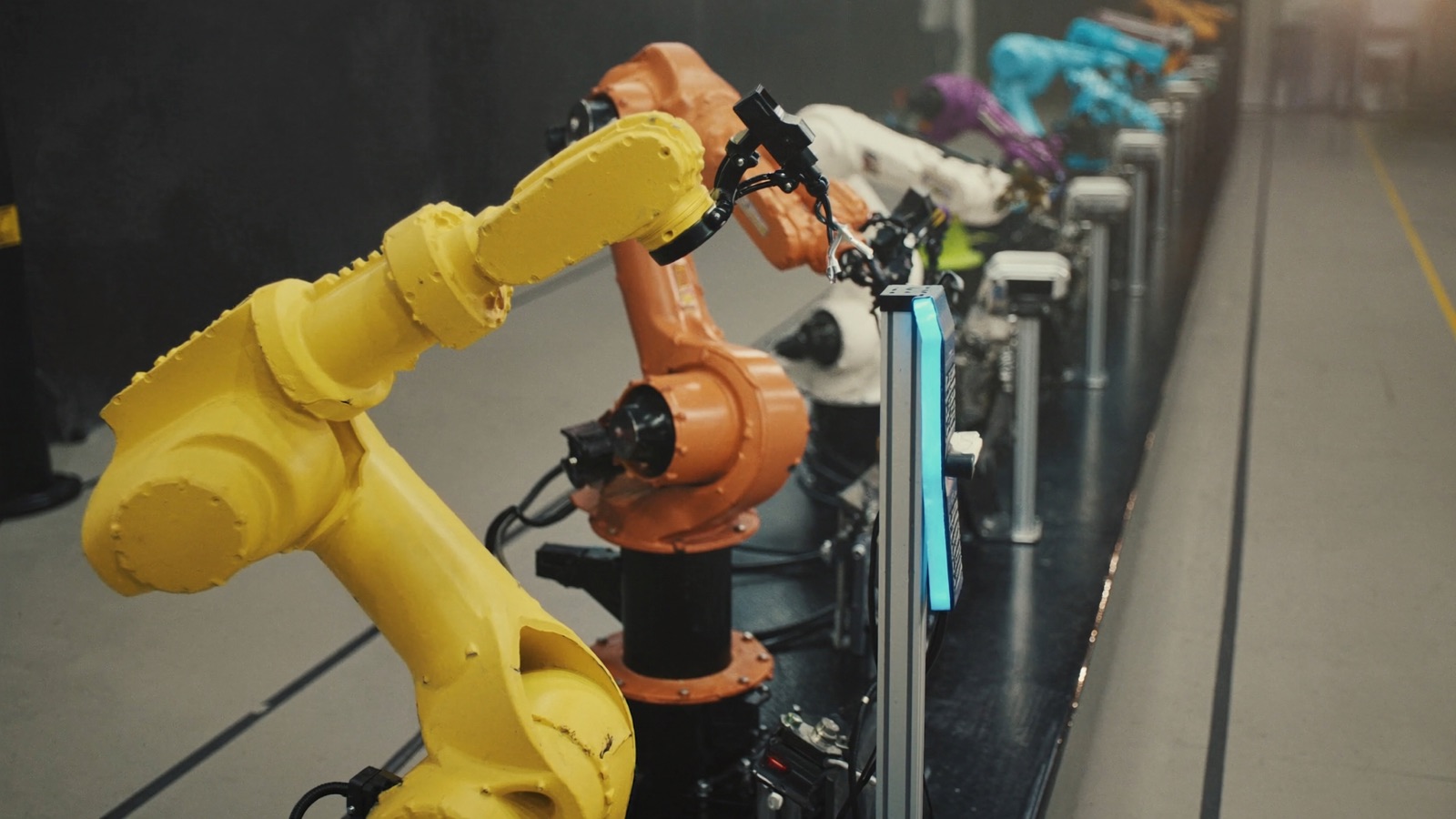
Industrial Arm Vendor Selection: Capability Matrices and Proof Points
FANUC, KUKA, ABB, Yaskawa, and Stäubli compete on overlapping specs in the mainstream payload range. The differentiators are support network depth, software eco…
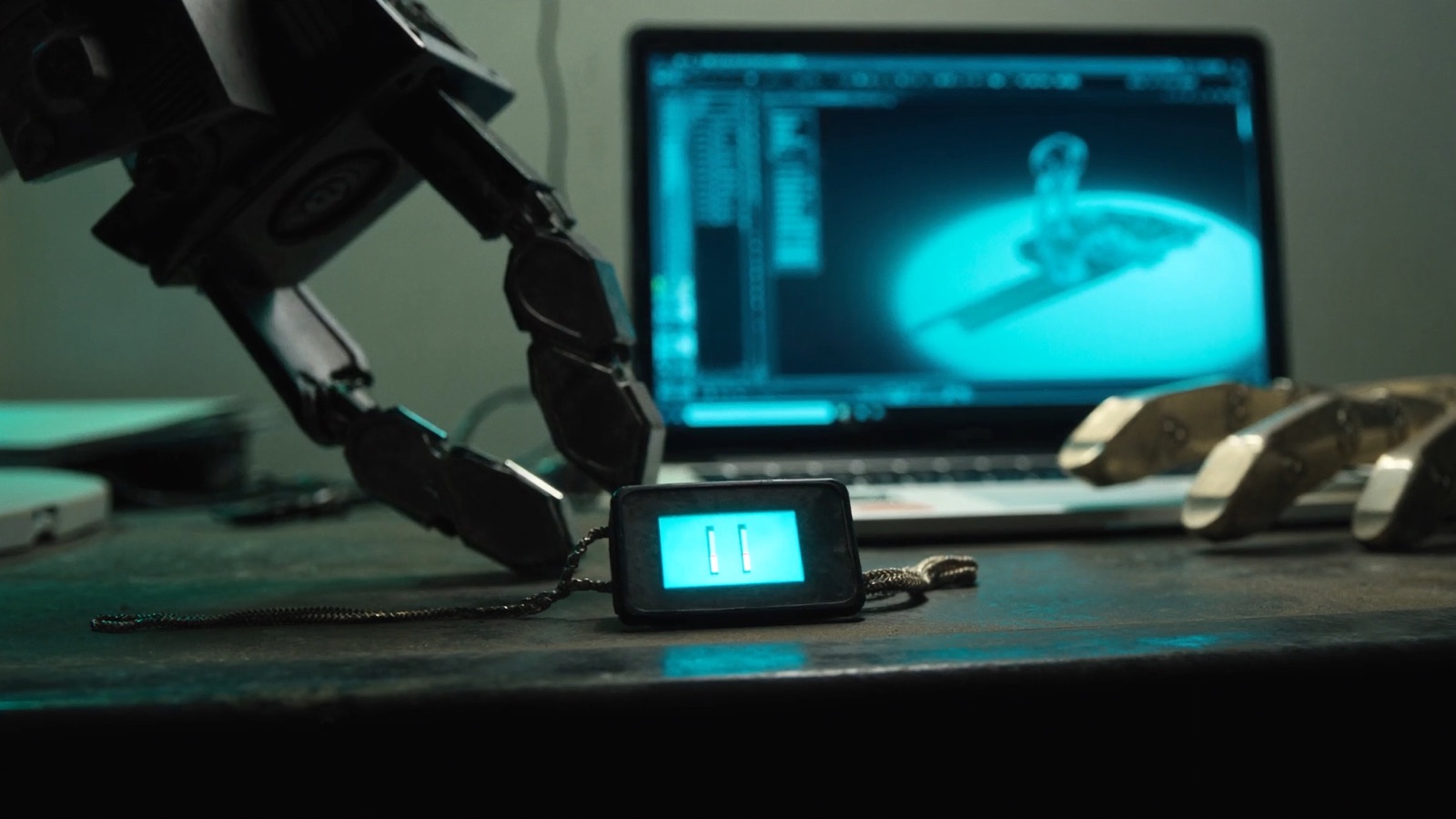
Programming Approaches: Teach Pendant, Offline, AI-Assisted — What Each Costs You
Teach pendant programming dominates in smaller shops but scales poorly. Offline programming cuts commissioning downtime by 60–80% for complex cells. AI-assisted…
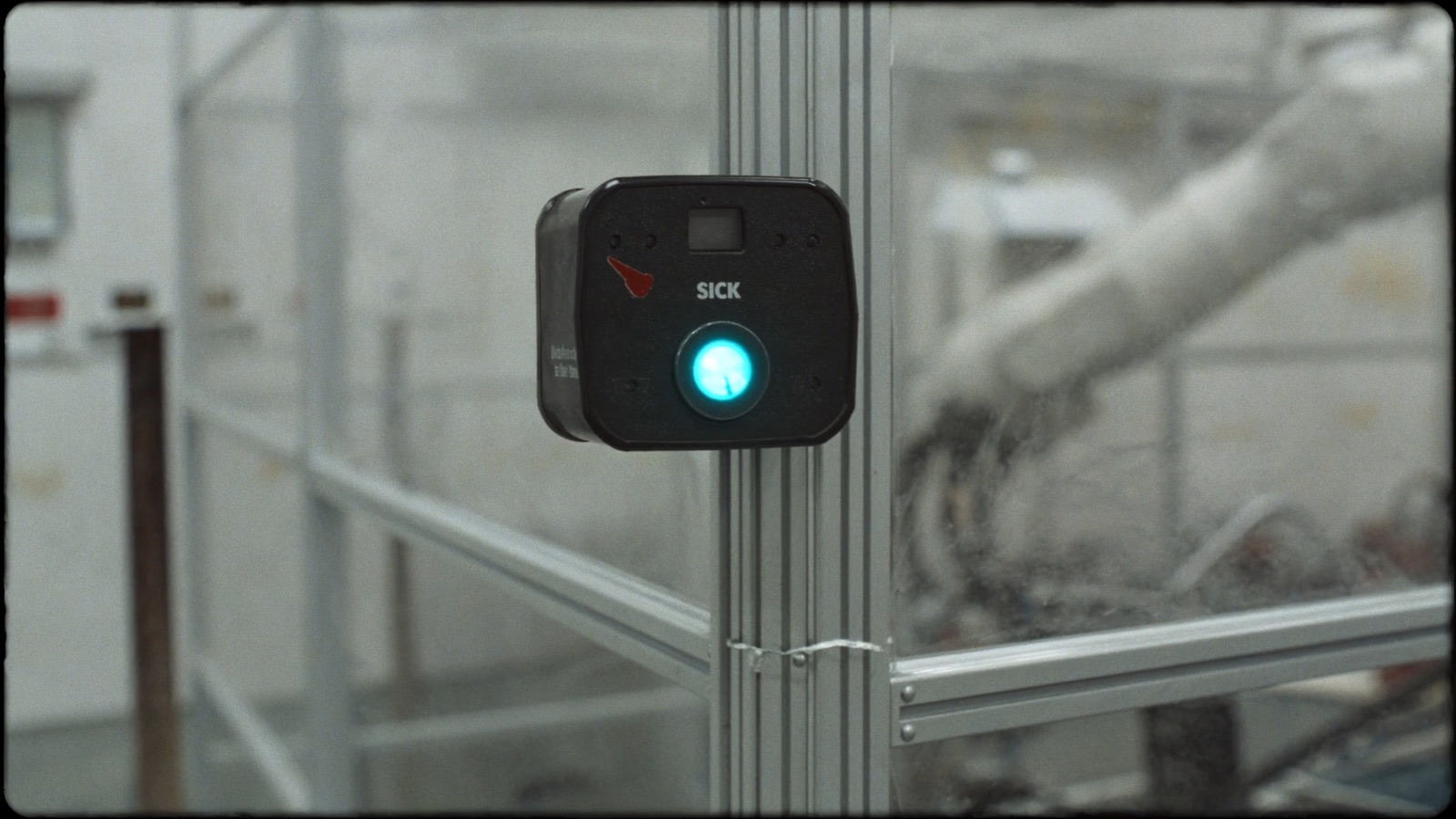
Safety Zones, Scanners, and Fencing: The Integration Cost Most Buyers Underestimate
Safety infrastructure in a robot arm cell is not a checkbox — it's a significant engineering and procurement line item that commonly runs 15–25% of total instal…