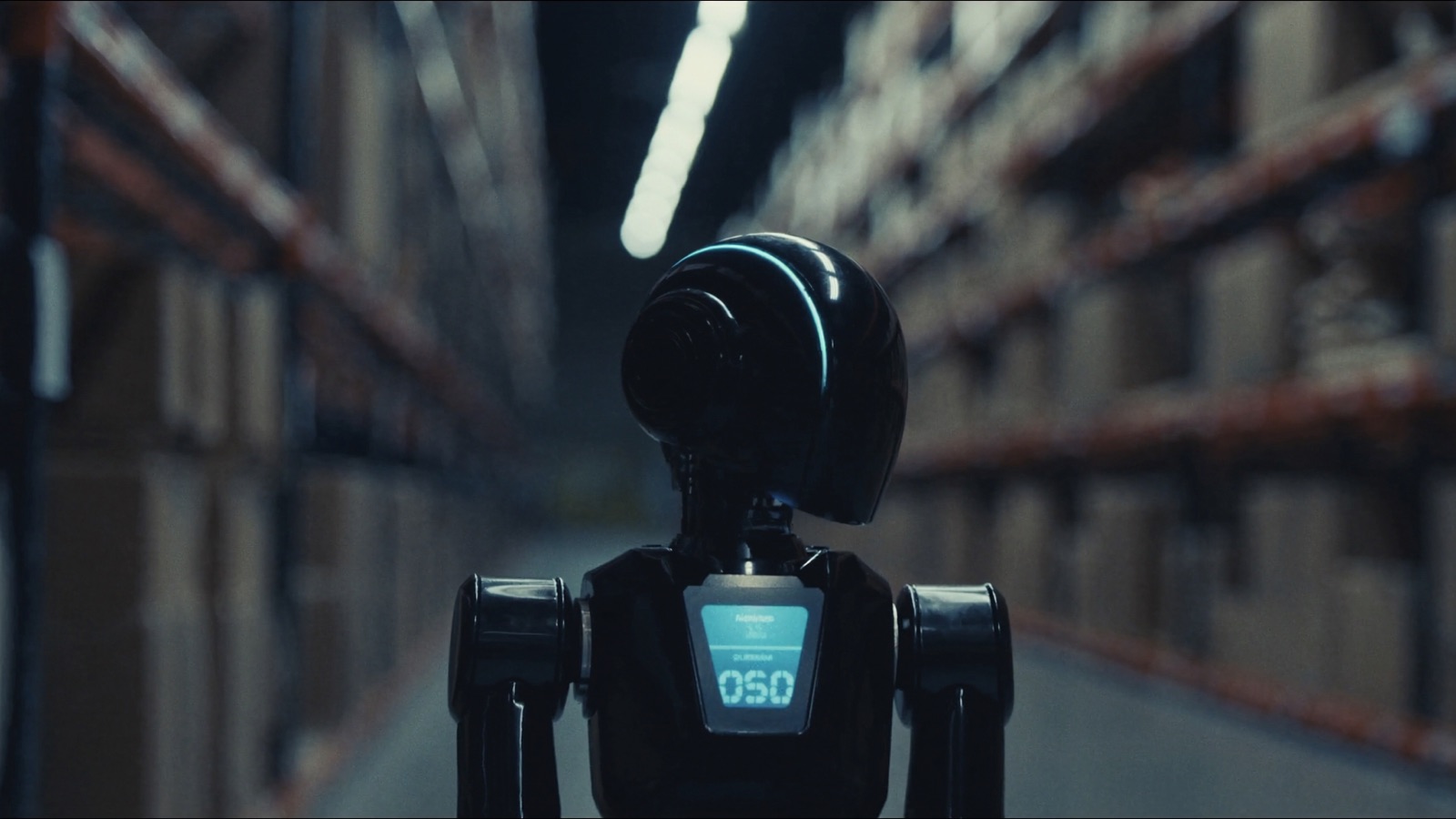
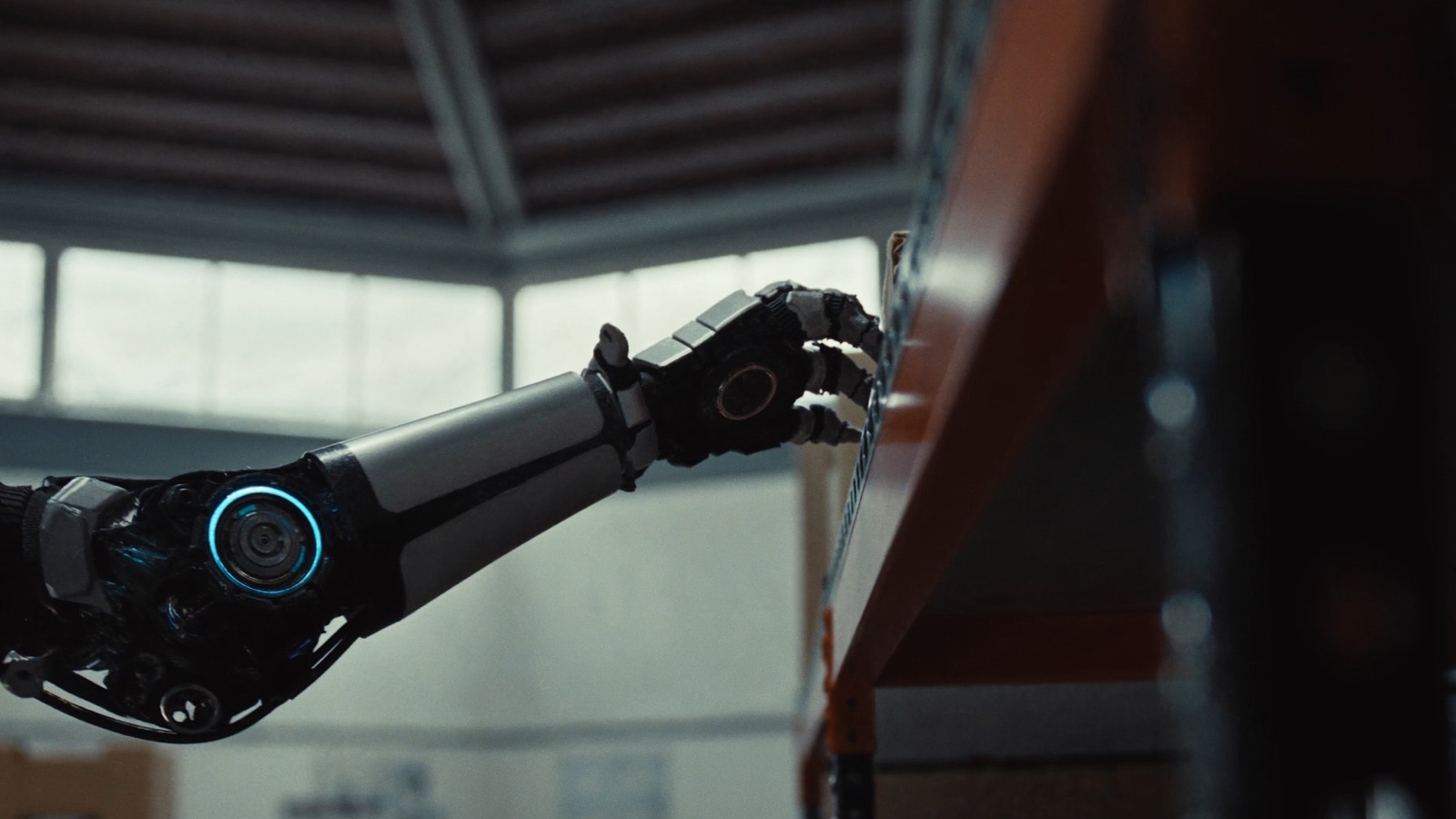
Bandit
Built by USC Interaction Lab and BlueSky Robotics · United States
The Bandit is a Humanoid robot developed by USC Interaction Lab and BlueSky Robotics (United States), launched 2006. Key specifications: form factor full bipedal, height 106.68 cm, weight 7.2 kg, mobility bipedal.
RoboScore
Weak evidence
No confirmed deployment on record — this score reflects the rest of the record, not verified adoption.
2 of 9 signals present
Recomputed nightly from public data. Missing data is skipped, never zero-filled — and rankings are never for sale.
Weighted factors
average of the 2 scored · blanks don't count
Not in the Humanoid standing. The standings cover robots first sold from 2020 onward, and this one launched in 2006. Its Robo Score above is unaffected — the score is the evidence, the standing is only who it is listed against.
See the Humanoid standingWill it fit your job?
Tell us the job in plain words — we'll show how this robot measures up, line by line.
Tell us what your job needs — payload, budget, region, must-have certifications — and we'll show how Bandit measures up, requirement by requirement. The RoboScore (trust) above is shown for every buyer, regardless.
Overview
Bandit is a friendly, socially assistive humanoid robot. It's been used to help children with autism, motivate older adults in physical exercise, and provide therapies to stroke patients. The goal of the Bandit project was developing a humanoid robot for research in socially assistive robotics, including interaction with children and adults in school, home, office, and hospital settings. Led by Maja Mataric, a team at the Interaction Lab at University of Southern California in Los Angeles and BlueSky Robotics designed a robot that is safe, expressive, and affordable. Bandit uses joint friction to hold the arms in a desired pose and a small amount of power to move to new poses. This limits its manipulation skills but lets it gesture and interact safely with people. Its relatively small size means users are not intimidated, and its face is simple, so it is easy to relate to and understand. The first prototype was created in 2004; the researchers designed an improved version in 2006 and 2007. In 2007 and 2008 they built six copies of the new design, which are the robots they use in their studies today.
Flagship features
- Modular software platform allowing capability expansion
- Works with any end effector and integrates seamlessly with existing systems
- Core SDK enables a natural language prompt to identify objects and generate 3D pick points
- Installations can be done without extensive technical setup, eliminating the need for cloud dependencies
Buyer decision signals
Viability
Six Bandit robots used in lab studies
Price
Published figures are build cost or program budget, not a purchase price
Availability
Specifications
Category: Humanoid- Form factor
- full bipedal
- Height
- 106.68 cm
- Weight
- 7.2 kg
- Mobility
- bipedal
- Total DOF
- 15
- DOF / arm
- 5
- Payload
- 0.6 kg
- Hot-swap battery
- No
- Onboard compute
- High-Performance Compute Unit
- Sensors
- 3D depth camera
- LiDAR
- No
- F/T sensors
- No
- VLM on-board
- No
- Imitation learning
- No
- Bimanual
- No
- Stair climbing
- No
- Programming
- code python
- ROS 1
- Yes
- ROS 2
- No
- API / SDK
- Yes
- Maturity
- research
- Environments
- indoor
- Industries
- medical, research
- Price tier
- <10K
- Pricing model
- purchase
Detailed specifications
What it is built for2
- Applications
- warehouse transport,assembly,research
- Sub Category
- socially assistive
Size & capacity1
- Height Mm
- 1066
Movement & precision1
- Navigation Type
- path planning
Safety & certification1
- Operating Temp
- -20°c to +75°c
Buying & support3
- Datasheet Url
- Preview PDF online
- Deployment Count
- 2
- Availability Status
- available
Who runs it· deployment evidence
No deployment evidence on file
A deployment is recorded when a public source names the customer, or the maker confirms it. Nothing here counts against this robot.
15 other robots in this category have one.
Add a deployment →Company milestones
- 2008DeploymentSix Bandit robots used in lab studies
- 2007LaunchBandit design completed and first copies built
- —MilestoneBandit used in socially assistive robotics research
Frequently asked questions
- Who makes the Bandit?
- The Bandit is developed by USC Interaction Lab and BlueSky Robotics, based in United States.
- What type of robot is the Bandit?
- The Bandit is a Humanoid robot made by USC Interaction Lab and BlueSky Robotics.
- How much does the Bandit cost?
- Pricing for the Bandit is not publicly listed — contact USC Interaction Lab and BlueSky Robotics for a quote.
- When was the Bandit launched?
- The Bandit was launched in 2006.
- What are the key specifications of the Bandit?
- Key specifications of the Bandit: form factor full bipedal, height 106.68 cm, weight 7.2 kg, mobility bipedal, total dof 15.
Reviews for Bandit
Loading reviews…