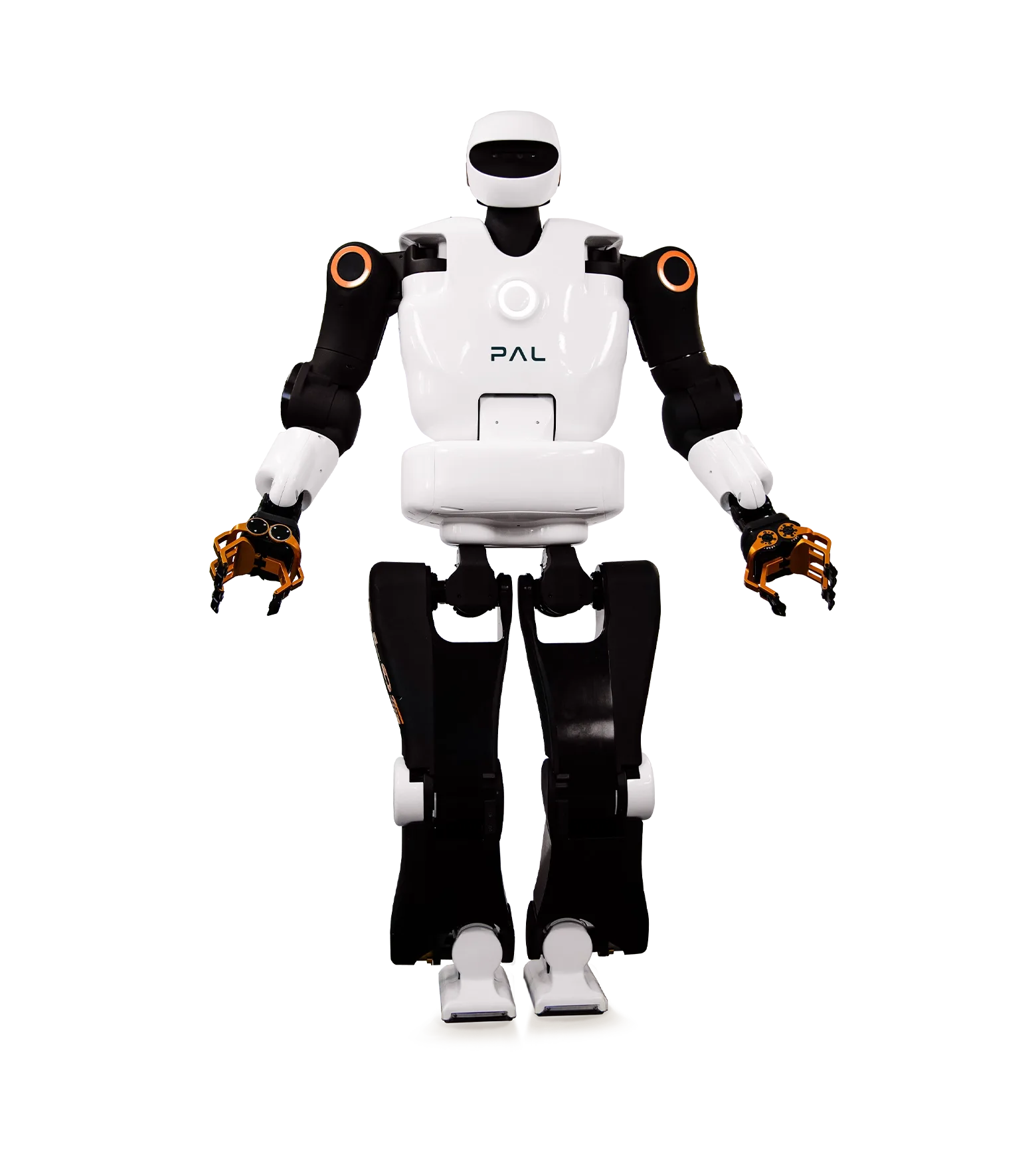
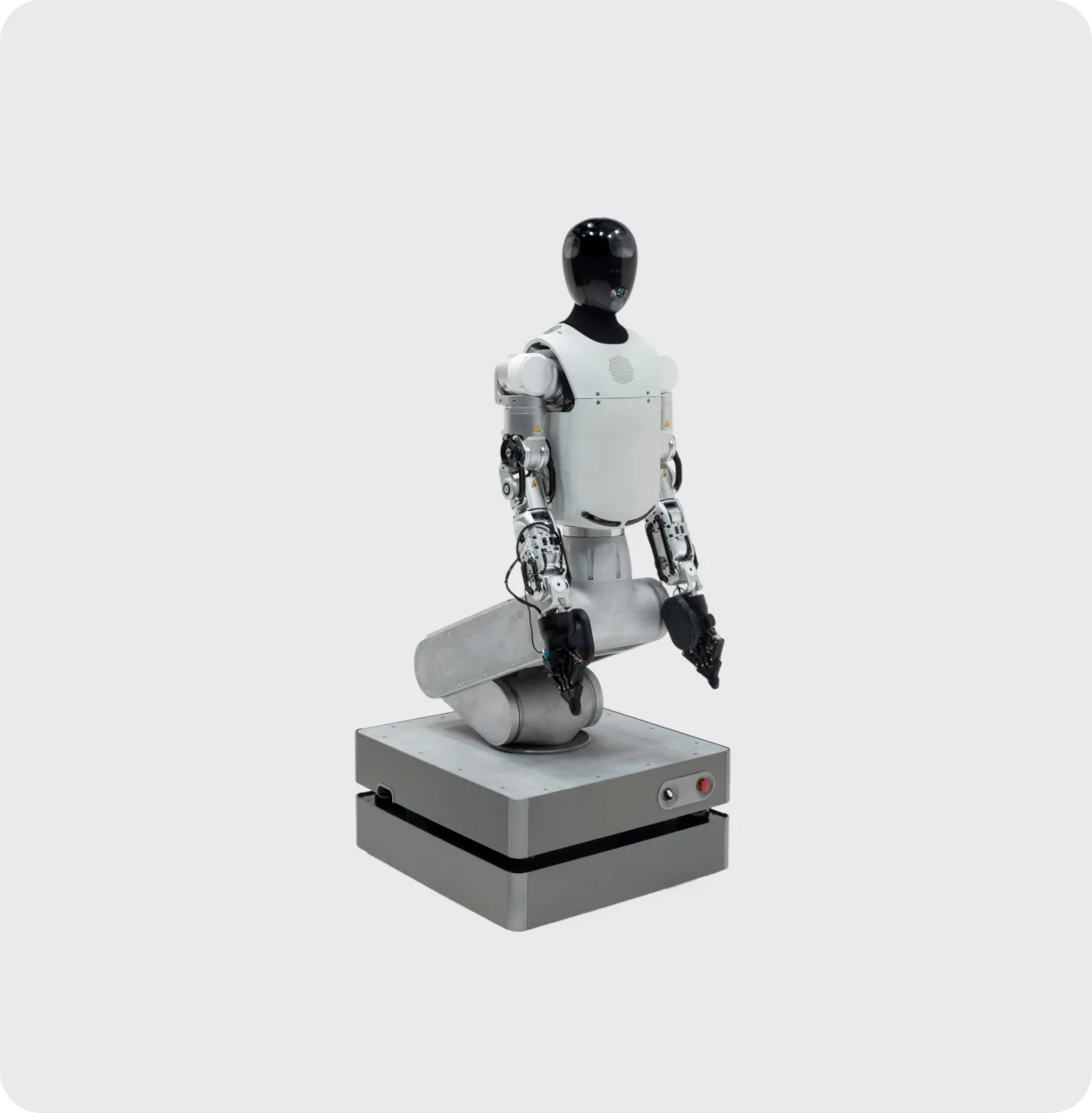
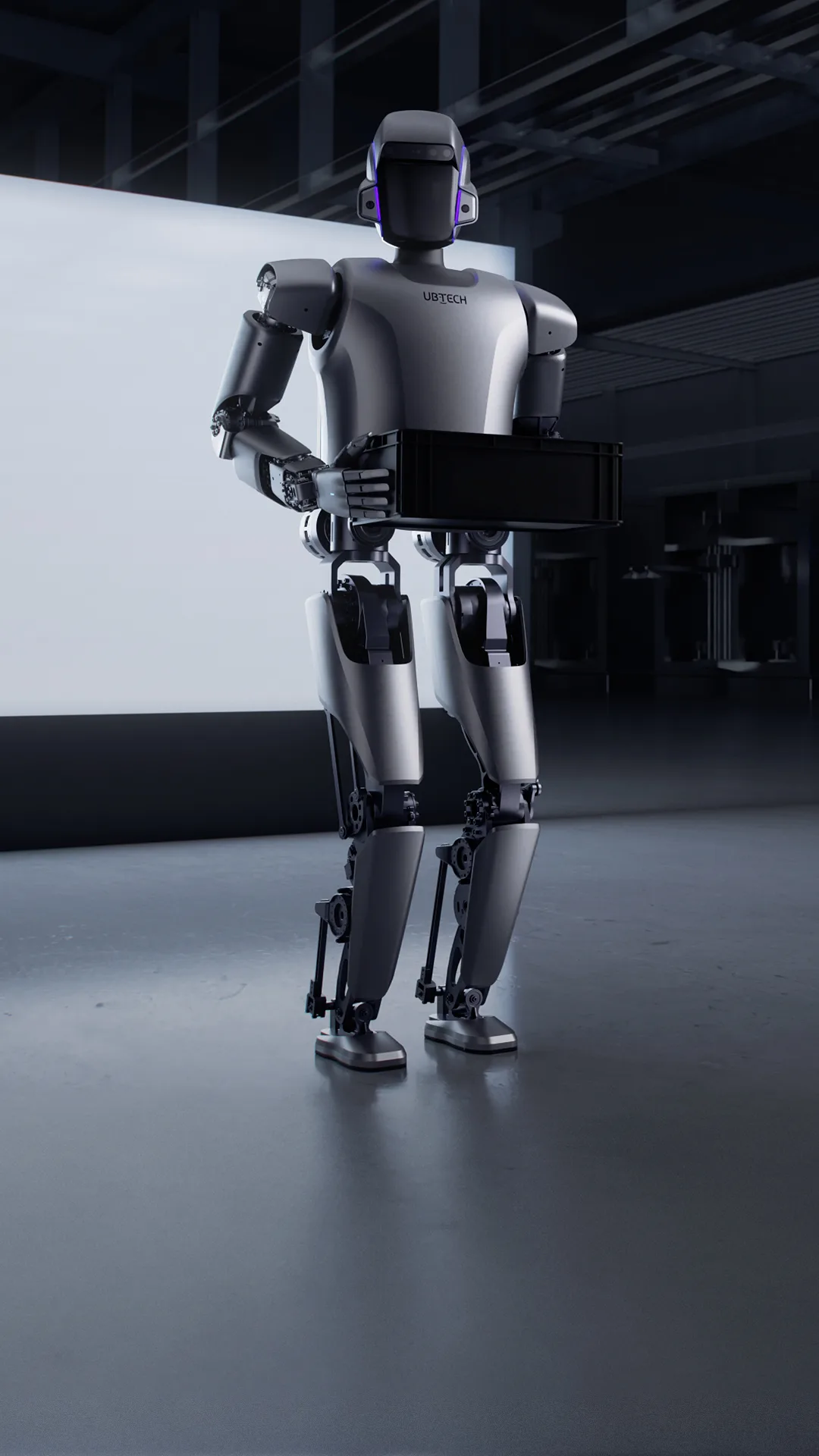
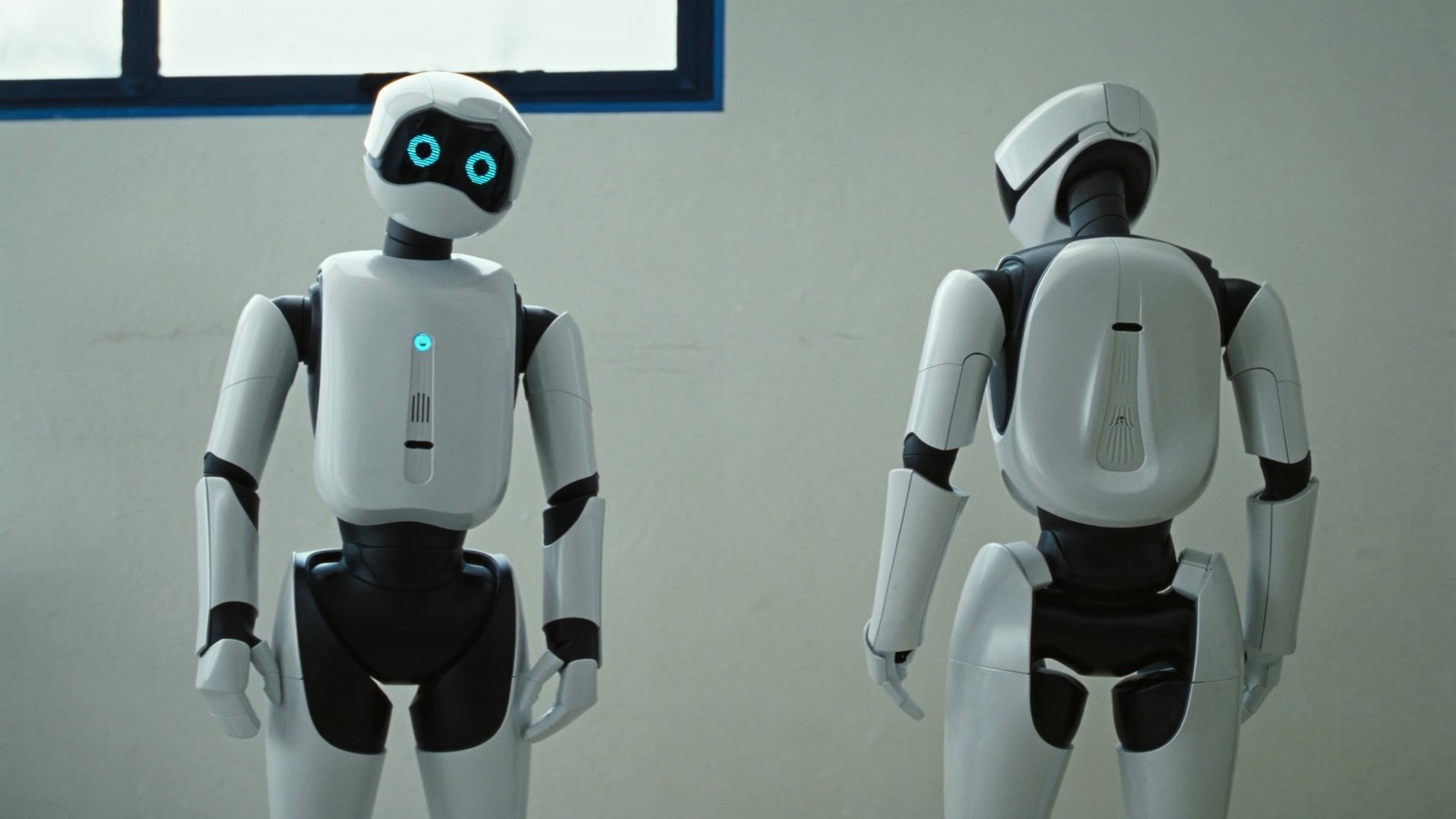
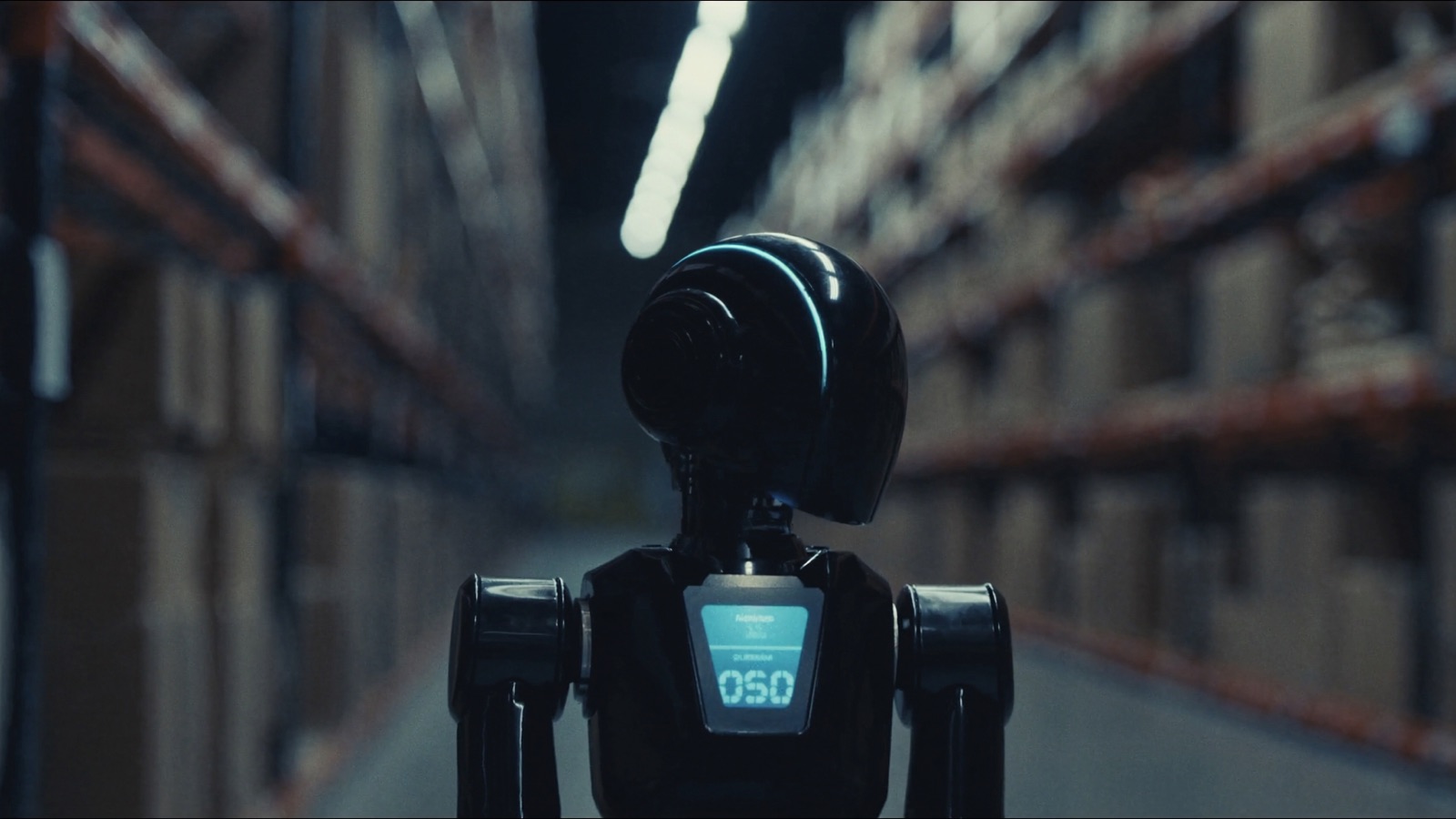
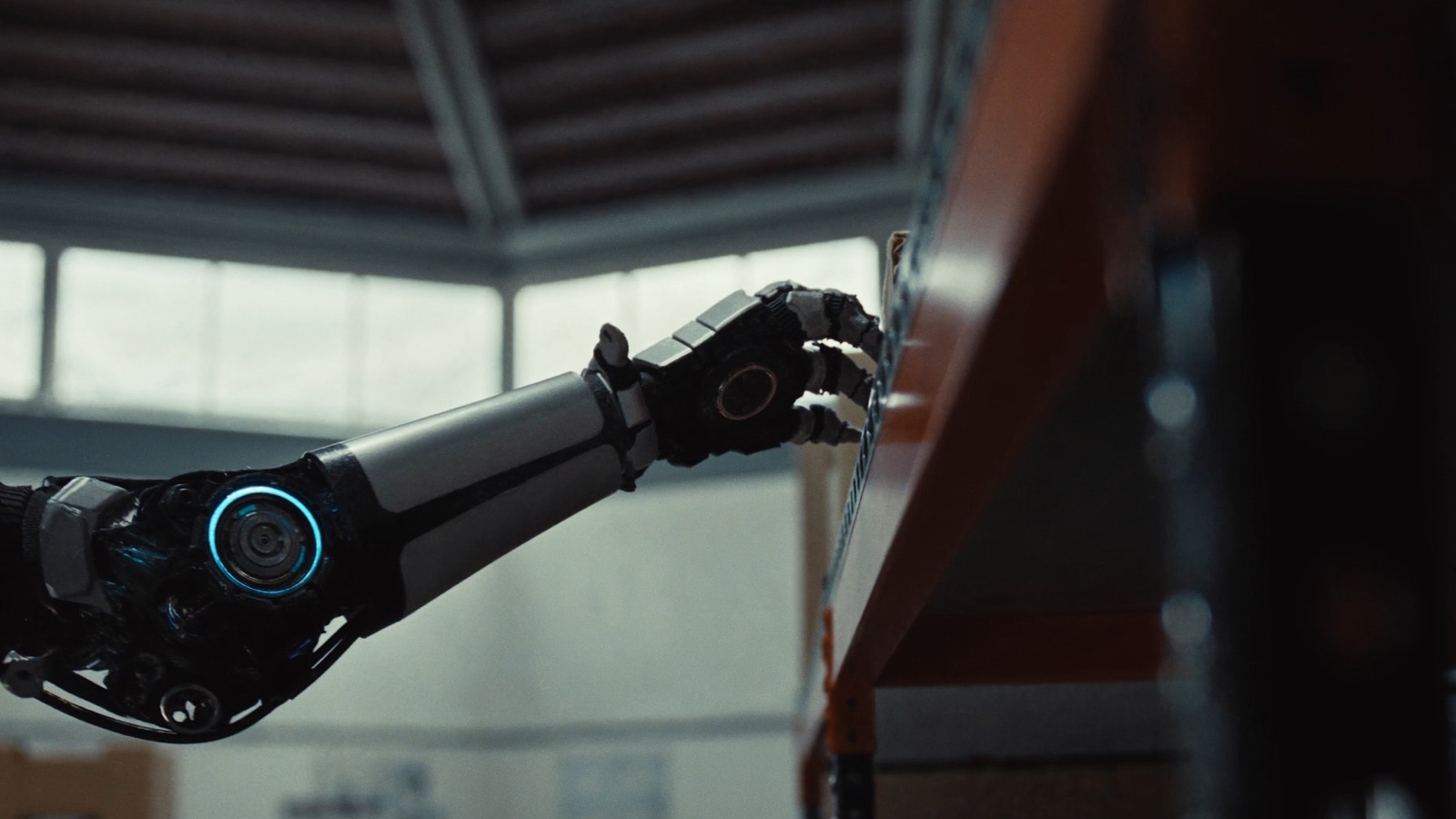
The Kojiro is a Humanoid robot developed by Tokyo University, launched 2007. Key specifications: form factor full bipedal, height 133 cm, weight 45 kg, mobility bipedal.
RoboScore
Speculative — thin evidence
No confirmed deployment on record — this score reflects the rest of the record, not verified adoption.
2 of 9 signals present
Recomputed nightly from public data. Missing data is skipped, never zero-filled — and rankings are never for sale.
Weighted factors
average of the 2 scored · blanks don't count
Not in the Humanoid standing. The standings cover robots first sold from 2020 onward, and this one launched in 2007. Its Robo Score above is unaffected — the score is the evidence, the standing is only who it is listed against.
See the Humanoid standingWill it fit your job?
Tell us the job in plain words — we'll show how this robot measures up, line by line.
Tell us what your job needs — payload, budget, region, must-have certifications — and we'll show how Kojiro measures up, requirement by requirement. The RoboScore (trust) above is shown for every buyer, regardless.
Overview
Kojiro is a humanoid robot with a musculoskeletal system that mimics how the human body works to generate motion. Developed at the University of Tokyo's JSK lab, the robot features artificial muscles and tendons, a flexible spine with cable-driven actuation, and 56 degrees of freedom. The goal is to build a robot that is light and agile, capable of moving much as people do.
Flagship features
- Designed to mimic human musculoskeletal system
- Features a flexible spine and artificial muscles
- Equipped with gyroscopes, accelerometers, and force sensors
- Powered by a combination of DC motors
- Currently inactive
Buyer decision signals
Viability
Startup established at UTokyo Entrepreneur Plaza
Price
Published figures are build cost or program budget, not a purchase price
Specifications
Category: Humanoid- Form factor
- full bipedal
- Height
- 133 cm
- Weight
- 45 kg
- Mobility
- bipedal
- Total DOF
- 56
- DOF / arm
- 5
- DOF / hand
- 3
- Battery
- 24 h
- Charge time
- 3 h
- Hot-swap battery
- No
- Sensors
- gyroscope, three-axis accelerometer, six-axis force sensors
- LiDAR
- No
- F/T sensors
- Yes
- VLM on-board
- No
- Imitation learning
- No
- Bimanual
- No
- Stair climbing
- No
- ROS 1
- No
- ROS 2
- No
- API / SDK
- No
- Maturity
- research
- Environments
- laboratory
- Industries
- research
Top 1% of 209 models with this spec
Detailed specifications
Movement & precision1
- Dof
- 60
Sensing & perception2
- Imu Present
- Yes
- Force Torque Present
- Yes
Buying & support1
- Country Of Origin
- JPN
Other details2
- Teleoperation Supported
- Yes
- Hot Swap Battery Supported
- No
Who runs it· deployment evidence
No deployment evidence on file
A deployment is recorded when a public source names the customer, or the maker confirms it. Nothing here counts against this robot.
15 other robots in this category have one.
Add a deployment →Company milestones
- 2011MilestoneStartup established at UTokyo Entrepreneur Plaza
- —MilestoneUniversity chartered
Frequently asked questions
- Who makes the Kojiro?
- The Kojiro is developed by Tokyo University.
- What type of robot is the Kojiro?
- The Kojiro is a Humanoid robot made by Tokyo University.
- How much does the Kojiro cost?
- Pricing for the Kojiro is not publicly listed — contact Tokyo University for a quote.
- When was the Kojiro launched?
- The Kojiro was launched in 2007.
- What are the key specifications of the Kojiro?
- Key specifications of the Kojiro: form factor full bipedal, height 133 cm, weight 45 kg, mobility bipedal, total dof 56.
Reviews for Kojiro
Loading reviews…