Twendy One
Built by Waseda University · Japan
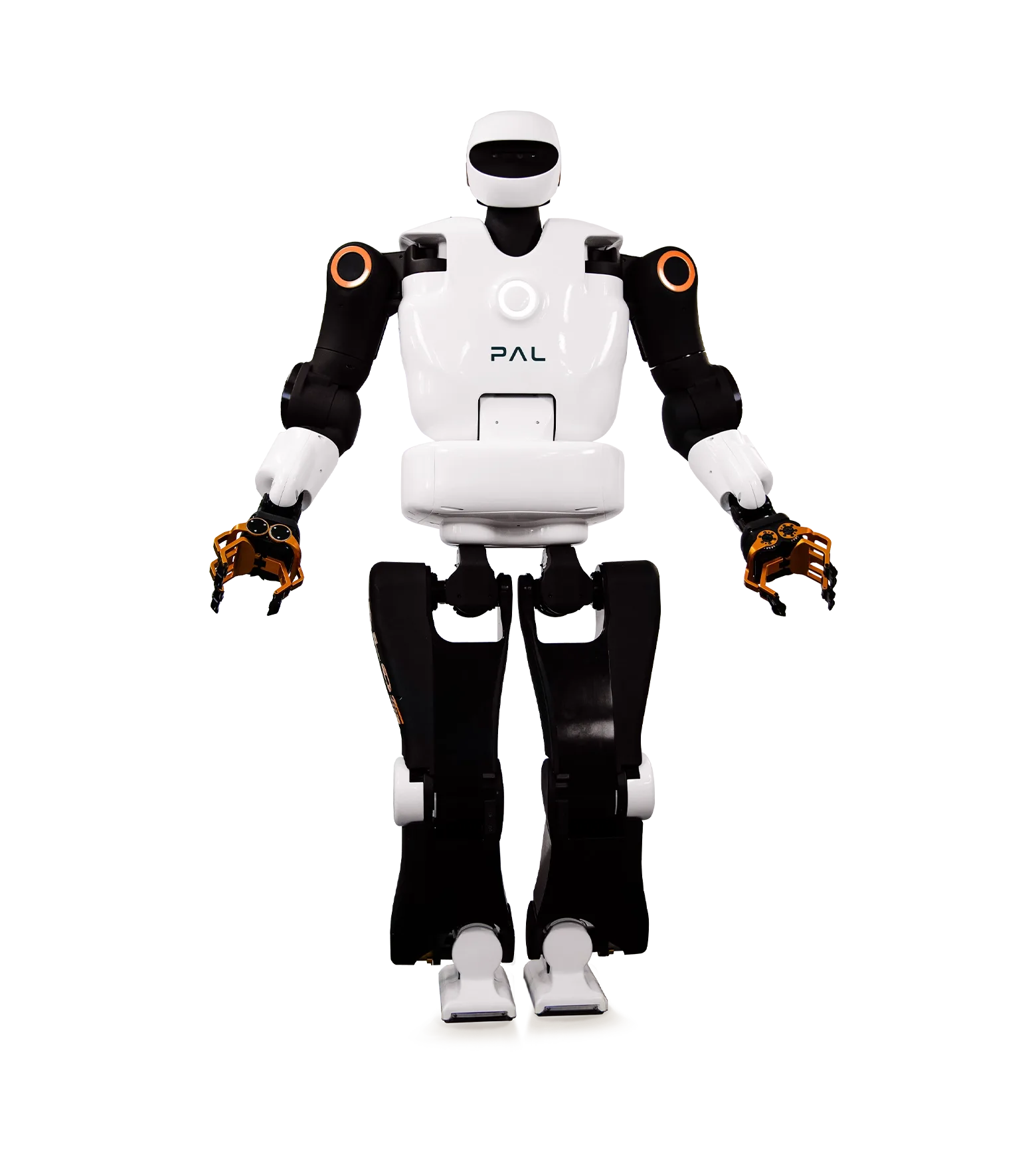
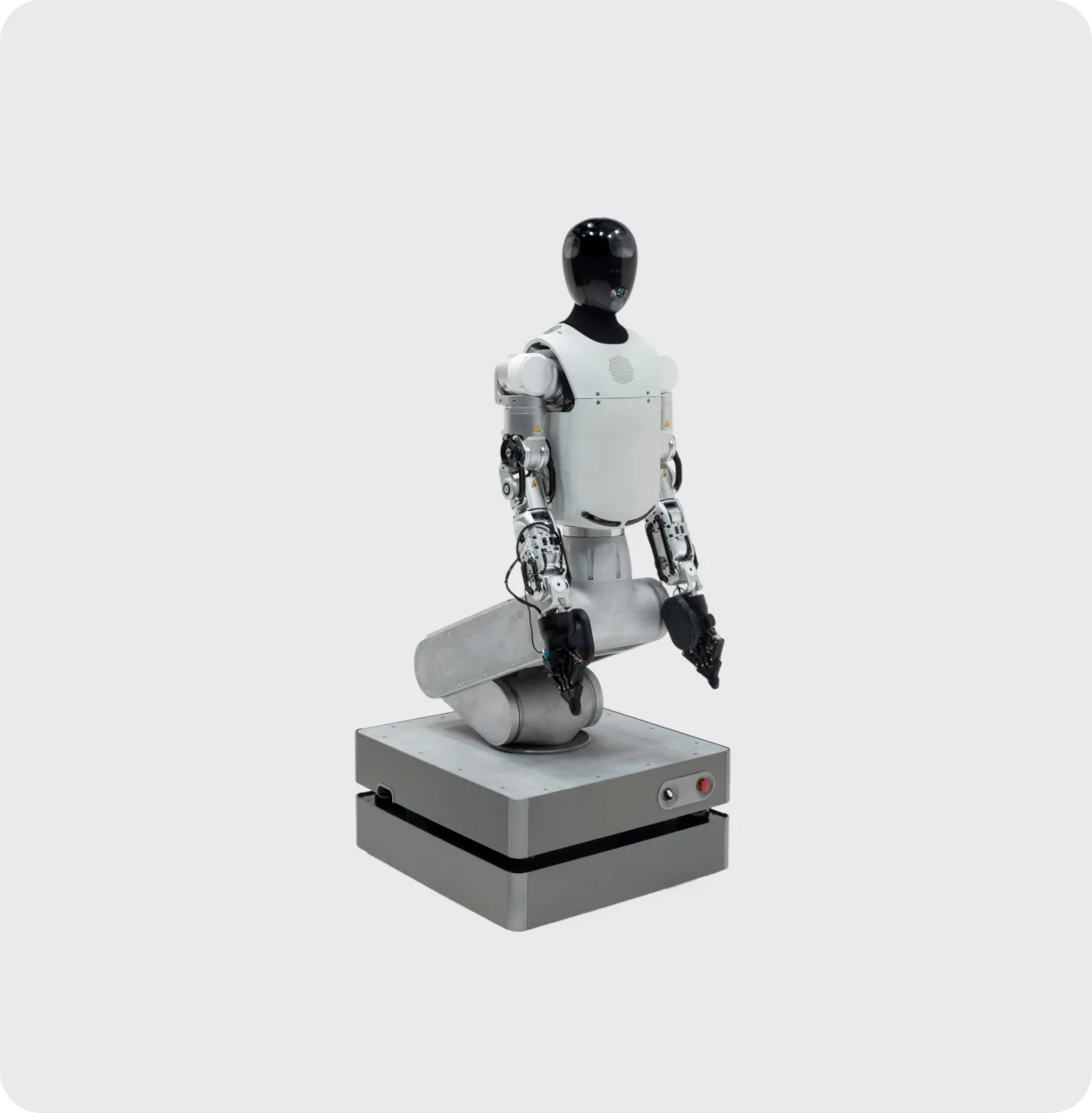
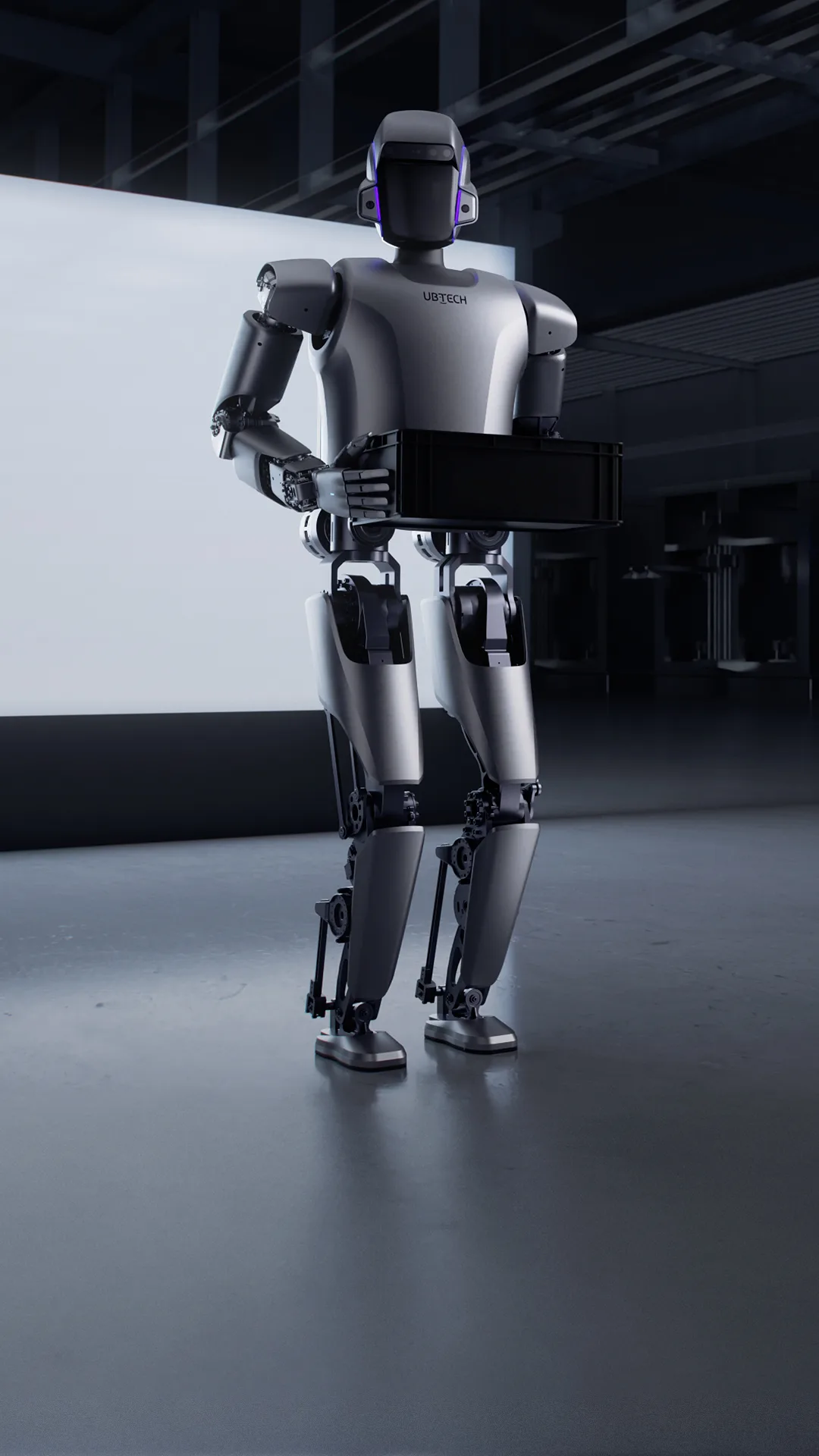
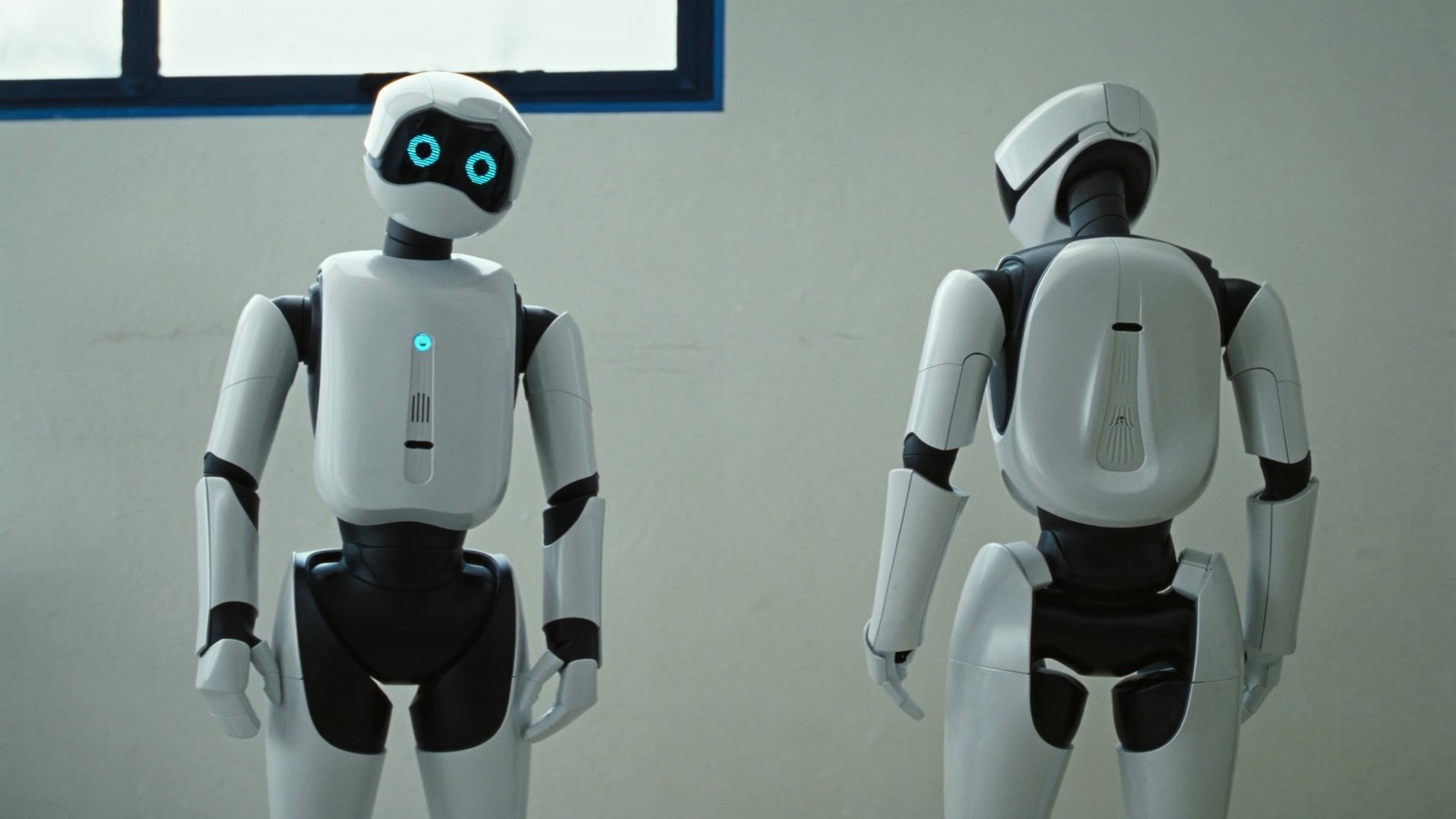
The Twendy One is a Humanoid robot developed by Waseda University (Japan), launched 2007. Key specifications: form factor full bipedal, height 146 cm, weight 111 kg, mobility bipedal.
RoboScore
Speculative — thin evidence
No confirmed deployment on record — this score reflects the rest of the record, not verified adoption.
4 of 9 signals present
Recomputed nightly from public data. Missing data is skipped, never zero-filled — and rankings are never for sale.
Weighted factors
average of the 4 scored · blanks don't count
Not in the Humanoid standing. The standings cover robots first sold from 2020 onward, and this one launched in 2007. Its Robo Score above is unaffected — the score is the evidence, the standing is only who it is listed against.
See the Humanoid standing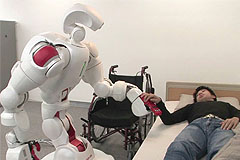
Will it fit your job?
Tell us the job in plain words — we'll show how this robot measures up, line by line.
Tell us what your job needs — payload, budget, region, must-have certifications — and we'll show how Twendy One measures up, requirement by requirement. The RoboScore (trust) above is shown for every buyer, regardless.
Overview
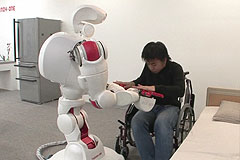
Twendy One is a humanoid robot with strong arms, dexterous hands, and a mobile base designed to assist the elderly in their homes by helping them move around and taking care of household tasks. Equipped with high-performance actuators, it is capable of grasping objects of various shapes and assisting a person to stand up and walk.
At a glance
- Built for research development
- Used across research academic
- Sold in Japan
Buyer decision signals
Viability
Price
Published figures are build cost or program budget, not a purchase price
Specifications
Category: Humanoid- Form factor
- full bipedal
- Height
- 146 cm
- Weight
- 111 kg
- Mobility
- bipedal
- Walking speed
- 0.75 m/s
- Total DOF
- 13
- DOF / arm
- 4
- DOF / hand
- 4
- Payload
- 35 kg
- Lifting capacity
- 5 kg
- Hot-swap battery
- No
- Sensors
- CCD Cameras, Ultrasonic Sensors, Force Sensors
- LiDAR
- No
- F/T sensors
- Yes
- VLM on-board
- No
- Imitation learning
- No
- Bimanual
- No
- Stair climbing
- No
- Terrain
- flat indoor
- ROS 1
- No
- API / SDK
- Yes
- SDK languages
- Python, C++
- Maturity
- prototype
- Environments
- home, healthcare
- Industries
- healthcare, elderly care
- Pricing model
- outright purchase
- Warranty
- 1 yr
Top 83% of 178 models with this spec
Top 63% of 198 models with this spec
Company profile
- Founded
- 2000
Detailed specifications
What it is built for3
- Applications
- assisting the elderly,household tasks,attendant care,kitchen supports
- Sub Category
- none
- Target Industries
- research academic
Size & capacity2
- Height Mm
- 1467
- Payload Per Arm
- No
Movement & precision5
- Dof
- 47
- Arm Dof
- 7
- Grip Force N
- 10
- Max Speed M S
- 0.75
- Grip Strength N
- 10
Sensing & perception11
- Imu Count
- 1
- Imu Present
- Yes
- Head Cameras
- 0
- Camera Present
- Yes
- Tactile Present
- No
- Tactile Sensing
- none
- Microphone Count
- 0
- Vision Processing
- on device
- Microphone Present
- No
- Ultrasonic Present
- Yes
- Force Torque Present
- Yes
Power & runtime1
- Charging Method
- tethered
Controls & integration4
- Open Api
- closed
- Air Gap Capable
- No
- Network Protocols
- wifi 5,ethernet
- Connectivity Options
- wifi,ethernet
Safety & certification4
- Noise Level Db
- 60
- Emergency Stop Count
- 1
- Human Detection Method
- vision human
- Safe Speed When Human Near
- none
Buying & support4
- Pricing Models
- capex
- Country Of Origin
- JPN
- Is Research Grade
- Yes
- Countries Available
- Japan
Other details26
- Finger Dof
- 1
- Ros Support
- none
- Arm Reach Cm
- 60
- Gripper Type
- parallel jaw
- Fall Recovery
- none
- Emergency Stop
- Yes
- Cloud Telemetry
- none
- Payload Peak Kg
- 10
- Running Capable
- static walk
- Field Of View Deg
- 360
- Force Limited Arms
- software only
- Programming Methods
- hand coded,teleop demonstration
- Tool Use Capability
- none
- Operating Temp Max C
- 40
- Operating Temp Min C
- 0
- Simulation Platforms
- NVIDIA Isaac Sim,MuJoCo
- Task Reset Frequency
- rarely
- Teleoperation Method
- none
- Task Success Rate Pct
- 95
- Teleoperation Supported
- Yes
- Risk Assessment Provided
- none
- Delivery Lead Time Months
- 3
- Hot Swap Battery Supported
- No
- Tethered Operation Available
- No
- Manipulation Repeatability Mm
- 2
- Software Subscription Required
- No
Who runs it· deployment evidence
No deployment evidence on file
A deployment is recorded when a public source names the customer, or the maker confirms it. Nothing here counts against this robot.
15 other robots in this category have one.
Add a deployment →Company milestones
- May 2009MilestoneKOBIAN introduced as an emotional humanoid robot
- Oct 2008MilestoneWF-4RIV development paper presented
- 2009MilestoneMusical robots perform duets
- 2009MilestonePlanned future use in care settings
- 2009LaunchDevelopment of Waseda Flutist Robot WF-4RVI
- 2009DeploymentWaseda flute robot joined duet performance
- 2009LaunchDevelopment of Waseda Flutist Robot WF-4RV
- 2008DeploymentWF-4RVI presented at BioRob 2008
Compare with peers
More by Waseda University
Frequently asked questions
- Who makes the Twendy One?
- The Twendy One is developed by Waseda University, based in Japan.
- What type of robot is the Twendy One?
- The Twendy One is a Humanoid robot made by Waseda University.
- How much does the Twendy One cost?
- Pricing for the Twendy One is not publicly listed — contact Waseda University for a quote.
- When was the Twendy One launched?
- The Twendy One was launched in 2007.
- What are the key specifications of the Twendy One?
- Key specifications of the Twendy One: form factor full bipedal, height 146 cm, weight 111 kg, mobility bipedal, walking speed 0.75 m/s.
Reviews for Twendy One
Loading reviews…