KR 120 R3900-2 K vs LineLIGHT Fusion Segment
Side-by-side comparison of KR 120 R3900-2 K (KUKA Robotics) and LineLIGHT Fusion Segment (WERMA) — specs, pricing, Robo Score, and verified deployments. Updated daily.
Optimize comparison for buyer
Optimized for Last-Mile Delivery buyers. Priority specs lifted to the top and marked with a target.
Layer 1: Identity & Trust
Manufacturer Country
- KR 120 R3900-2 KGermany
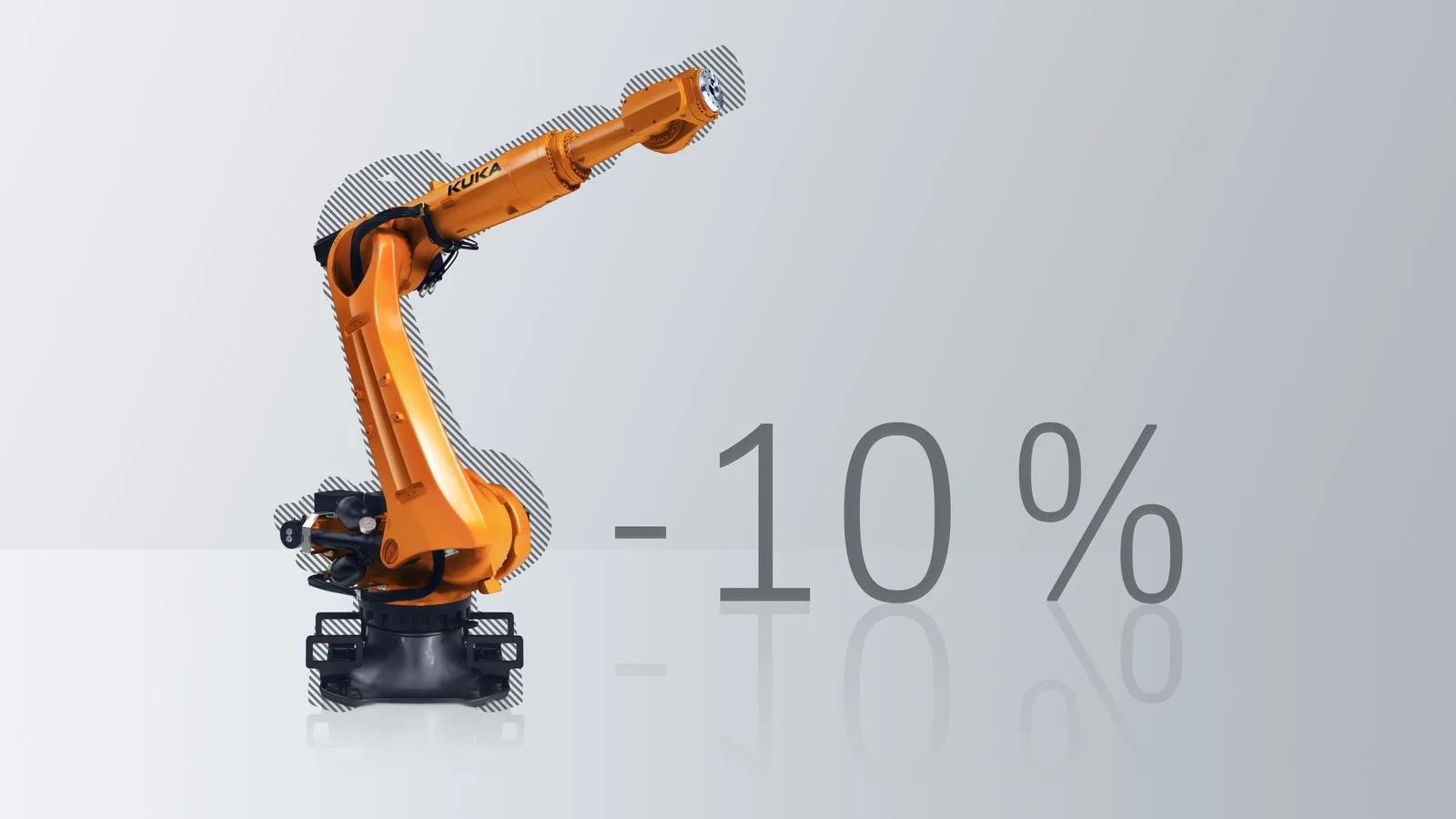
- LineLIGHT Fusion SegmentGermany
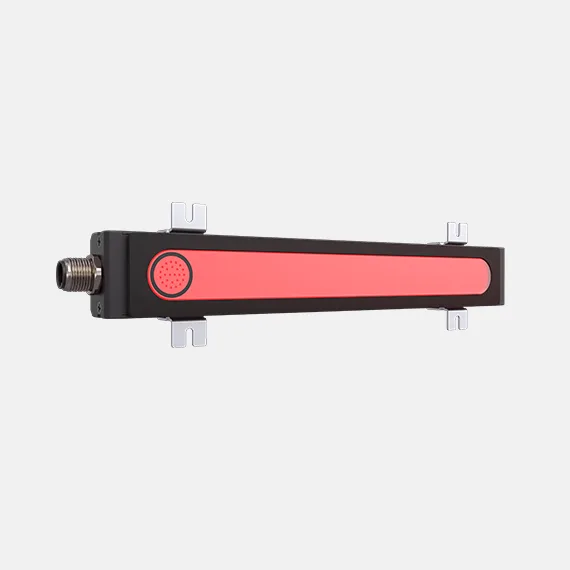
Year First Available
- KR 120 R3900-2 K2015
- LineLIGHT Fusion Segment2025
Verified Deployments
- KR 120 R3900-2 K0 Deployments
- LineLIGHT Fusion Segment0 Deployments
Layer 2: Operational
Price
- KR 120 R3900-2 K$19,000–$84,900 USD
- LineLIGHT Fusion SegmentContact for quote
Availability Status
- KR 120 R3900-2 KACTIVE
- LineLIGHT Fusion SegmentACTIVE
Arm Mechanics
Payload
- KR 120 R3900-2 K146 kg
- LineLIGHT Fusion Segment—
IP Rating (Arm)
- KR 120 R3900-2 KIP65
- LineLIGHT Fusion SegmentIP54
Reach
- KR 120 R3900-2 K3,904 mm
- LineLIGHT Fusion Segment—
Degrees of Freedom
- KR 120 R3900-2 K6
- LineLIGHT Fusion Segment—
Repeatability
- KR 120 R3900-2 K±0.04 mm
- LineLIGHT Fusion Segment—
Robot Weight
- KR 120 R3900-2 K42 kg
- LineLIGHT Fusion Segment0.1 kg
IP Rating (Wrist)
- KR 120 R3900-2 KIP67
- LineLIGHT Fusion Segment—
Controller & Programming
Controller Model
- KR 120 R3900-2 KKR C5, KR C5 micro
- LineLIGHT Fusion Segment—
Connectivity
ROS-Industrial Support
- KR 120 R3900-2 K—
- LineLIGHT Fusion Segmentnone
Commercial
Price (USD)
- KR 120 R3900-2 K$19,000–$84,900 USD
- LineLIGHT Fusion SegmentContact for quote
Warranty
- KR 120 R3900-2 K2 yrs
- LineLIGHT Fusion Segment—
Service Network
- KR 120 R3900-2 Kglobal
- LineLIGHT Fusion Segmentglobal
| | |
|---|---|---|
| Layer 1: Identity & Trust | ||
| Manufacturer Country | Germany | Germany |
| Year First Available (values differ) | 2015 | 2025 |
| Verified Deployments | 0 Deployments | 0 Deployments |
| Layer 2: Operational | ||
| Price (values differ) | $19,000–$84,900 USD | Contact for quote |
| Availability Status | ACTIVE | ACTIVE |
| Layer 3: Category Specific | ||
| Arm Mechanics | ||
| Payload (priority for Last-Mile Delivery buyers) (values differ) | 146 kg | — |
| IP Rating (Arm) (priority for Last-Mile Delivery buyers) (values differ) | IP65 | IP54 |
| Reach (values differ) | 3,904 mm | — |
| Degrees of Freedom (values differ) | 6 | — |
| Repeatability (values differ) | ±0.04 mm | — |
| Robot Weight (values differ) | 42 kg | 0.1 kg |
| IP Rating (Wrist) (values differ) | IP67 | — |
| Controller & Programming | ||
| Controller Model (values differ) | KR C5, KR C5 micro | — |
| Connectivity | ||
| ROS-Industrial Support (values differ) | — | none |
| Commercial | ||
| Price (USD) (values differ) | $19,000–$84,900 USD | Contact for quote |
| Warranty (values differ) | 2 yrs | — |
| Service Network | global | global |
Insufficient data for full comparison
The following fields had no data for any of the selected robots: Battery / Shift Runtime, Path Accuracy, Max TCP Speed, Cycle Time (25/305/25), MTBF, Duty Cycle, Vibration Damping, Safety Category, Dual Check Safety, Safety I/O Pairs, E-Stop Response, Safe Zone Count, Programming Languages, Teach Pendant Type, Offline Programming, Digital Twin Support, Communication Protocols, IoT / Cloud Platform, Cybersecurity Certs, Predictive Maintenance, Tool Flange Standard, Tool Changer (ISO), Internal Cable Routing, Pneumatic Lines, Electrical Lines, Spare Parts Lead Time, Expected Service Life
ROI Comparison
Same operating assumptions across every robot — the only difference is price. Set your numbers once to see which pays back fastest.
Annual labor displaced (per robot): $50,000
| Metric | KR 120 R3900-2 K | LineLIGHT Fusion Segment |
|---|---|---|
| Investment | $51,950 | No price |
| Payback period | 12.5 mo | — |
| Net savings (5 yr) | $198,050 | — |
| ROI (5 yr) | +381% | — |
LineLIGHT Fusion Segment has no listed price, so payback can't be computed. Contact the manufacturer for a quote.
Estimates labor-cost displacement only — not a full total cost of ownership. Actual ROI depends on integration, maintenance, training, downtime, and task fit. Converted currencies are indicative; USD is the price of record.
Trade-offs at a glance
Frequently asked
Who makes KR 120 R3900-2 K and LineLIGHT Fusion Segment?
KR 120 R3900-2 K is made by KUKA Robotics, based in DE. LineLIGHT Fusion Segment is made by WERMA, based in DE.
When were KR 120 R3900-2 K and LineLIGHT Fusion Segment launched?
KR 120 R3900-2 K launched in 2015. LineLIGHT Fusion Segment launched in 2025.
How do KR 120 R3900-2 K and LineLIGHT Fusion Segment compare on the Robo Score?
KR 120 R3900-2 K scores 78.0 on the Robo Score. LineLIGHT Fusion Segment scores 42.3. The Robo Score is a 0–100 credibility figure blending commercial maturity, verified deployments, company standing, and independent coverage — see methodology for the full breakdown.
Are KR 120 R3900-2 K and LineLIGHT Fusion Segment in the same category?
Both robots are classified as Industrial Arm on Robolist. Filters and ranking treat them as direct alternatives.
What is the realistic total cost of ownership for Industrial Arm robots?
Hardware cost is one input. Industrial Arm TCO also includes integration, training, downtime, and end-of-life. Our breakdown: TCO of a 6-Axis Arm Cell: Hardware, EOAT, Integration, Programming.
What should a buyer ask vendors when choosing between KR 120 R3900-2 K and LineLIGHT Fusion Segment?
Spec sheets only show part of the story. Useful vendor questions cover support, lifecycle, integration cost, and references. We have a buyer-focused checklist: Industrial Arm Vendor Selection: Capability Matrices and Proof Points.
Going deeper — picking the right robot
TCO of a 6-Axis Arm Cell: Hardware, EOAT, Integration, Programming
7 min readIndustrial Arms
Industrial Arm Vendor Selection: Capability Matrices and Proof Points
9 min readIndustrial Arms
Programming Approaches: Teach Pendant, Offline, AI-Assisted — What Each Costs You
8 min readIndustrial Arms
Build vs buy vs lease: which model fits a first deployment
8 min readChoosing Your First Robot
The hidden specs vendors hope you'll miss
10 min readReading the Spec Sheet
Want to be notified when specs or pricing change for these robots? Drop your email.
Other comparisons
About this comparison
KR 120 R3900-2 K vs LineLIGHT Fusion Segment compares two robots in the industrial-arm category. All data is sourced from manufacturer spec sheets, verified deployments, and third-party filings; see our methodology for how the Robo Score is calculated.