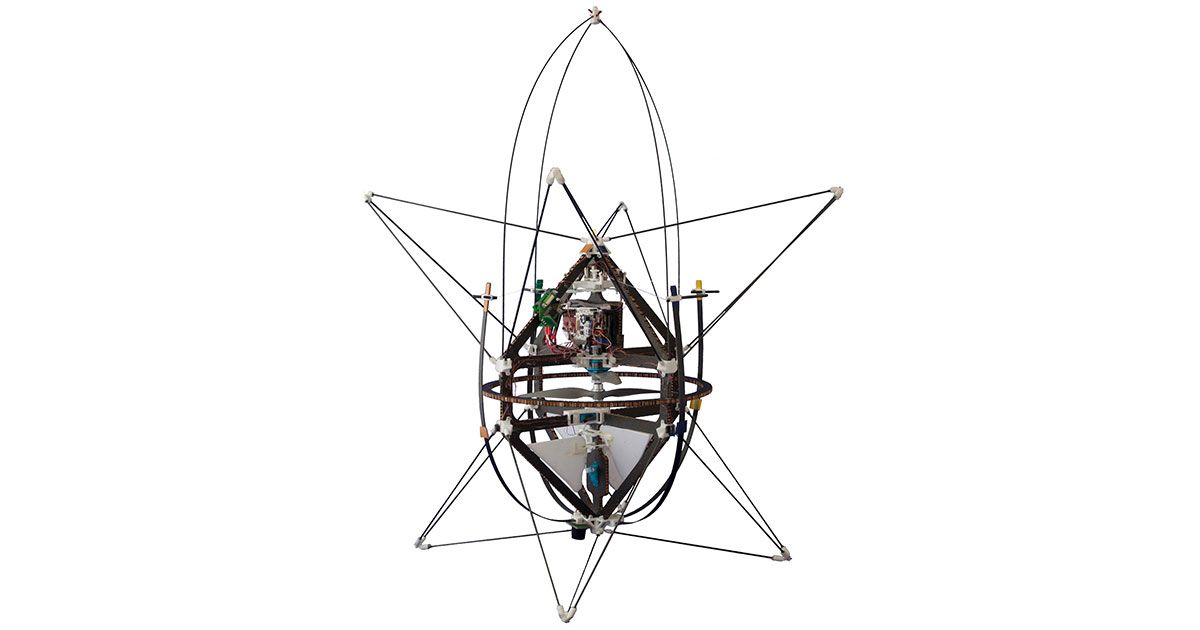
AirBurr vs PR1
Side-by-side comparison of AirBurr (École Polytechnique Fédérale de Lausanne) and PR1 (Stanford Personal Robotics Program) — specs, pricing, Robo Index, and verified deployments. Updated daily.
Optimize comparison for buyer
Optimized for Warehousing & Logistics buyers. Priority specs lifted to the top and marked with a target.
Layer 1: Identity & Trust
Manufacturer Country
- AirBurrSwitzerland
- PR1United States
Year First Available
- AirBurr2010
- PR12008
Verified Deployments
- AirBurr0 Deployments
- PR10 Deployments
Layer 2: Operational
Price
- AirBurrResearch platform
- PR1$50,000 USD
Battery / Shift Runtime
- AirBurr0.2 hrs
- PR12 hrs
Availability Status
- AirBurrACTIVE
- PR1ACTIVE
Layer 3: Category Specific
Payload Capacity
- AirBurr5 kg
- PR125 kg
Reach
- AirBurr850 mm
- PR11,831 mm
Max Speed
- AirBurr1 m/s
- PR10.8 m/s
Autonomy Level
- AirBurrteleoperated
- PR1semi-autonomous
| ||
|---|---|---|
| Layer 1: Identity & Trust | ||
| Manufacturer Country (values differ) | Switzerland | United States |
| Year First Available (values differ) | 2010 | 2008 |
| Verified Deployments | 0 Deployments | 0 Deployments |
| Layer 2: Operational | ||
| Price (values differ) | Research platform | $50,000 USD |
| Battery / Shift Runtime (priority for Warehousing & Logistics buyers) (values differ) | 0.2 hrs | 2 hrs |
| Availability Status | ACTIVE | ACTIVE |
| Layer 3: Category Specific | ||
| Payload Capacity (priority for Warehousing & Logistics buyers) (values differ) | 5 kg | 25 kg |
| Reach (values differ) | 850 mm | 1,831 mm |
| Max Speed (values differ) | 1 m/s | 0.8 m/s |
| Autonomy Level (values differ) | teleoperated | semi-autonomous |
Insufficient data for full comparison
The following fields had no data for any of the selected robots: IP Rating
ROI Comparison
Same operating assumptions across every robot — the only difference is price. Set your numbers once to see which pays back fastest.
Annual labor displaced (per robot): $50,000
| Metric | AirBurr | PR1 |
|---|---|---|
| Investment | No price | $50,000 |
| Payback period | — | 12.0 mo |
| Net savings (5 yr) | — | $200,000 |
| ROI (5 yr) | — | +400% |
AirBurr has no listed price, so payback can't be computed. Contact the manufacturer for a quote.
Estimates labor-cost displacement only — not a full total cost of ownership. Actual ROI depends on integration, maintenance, training, downtime, and task fit. Converted currencies are indicative; USD is the price of record.
Trade-offs at a glance
Frequently asked
Who makes AirBurr and PR1?
AirBurr is made by École Polytechnique Fédérale de Lausanne, based in CH. PR1 is made by Stanford Personal Robotics Program, based in US.
When were AirBurr and PR1 launched?
AirBurr launched in 2010. PR1 launched in 2008.
How do AirBurr and PR1 compare on the Robo Index?
AirBurr grades BB on the Robo Index. PR1 grades AA. The Robo Index is a credibility grade (AAA … C) that blends commercial maturity, verified deployments, company standing, and independent coverage — see methodology for the full breakdown.
Are AirBurr and PR1 in the same category?
Both robots are classified as Research on Robolist. Filters and ranking treat them as direct alternatives.
What is the realistic total cost of ownership for Research robots?
Hardware cost is one input. Research TCO also includes integration, training, downtime, and end-of-life. Our breakdown: The real cost of a research platform.
What should a buyer ask vendors when choosing between AirBurr and PR1?
Spec sheets only show part of the story. Useful vendor questions cover support, lifecycle, integration cost, and references. We have a buyer-focused checklist: The research-robot procurement RFP: questions and red flags.
Going deeper — picking the right robot
The real cost of a research platform
7 min readResearch & Lab Robots
The research-robot procurement RFP: questions and red flags
11 min readResearch & Lab Robots
A 90-day playbook to stand up a new platform in a lab
8 min readResearch & Lab Robots
Build vs buy vs lease: which model fits a first deployment
8 min readChoosing Your First Robot
The hidden specs vendors hope you'll miss
10 min readReading the Spec Sheet
Want to be notified when specs or pricing change for these robots? Drop your email.
Other comparisons
About this comparison
AirBurr vs PR1 compares two robots in the research category. All data is sourced from manufacturer spec sheets, verified deployments, and third-party filings; see our methodology for how the Robo Index is calculated.