DOBOT Atom vs Walker S2
Side-by-side comparison of DOBOT Atom (Shenzhen Yuejiang Technology Co., Ltd.) and Walker S2 (UBTECH Robotics Corp Ltd.) — specs, pricing, Robo Index, and verified deployments. Updated daily.
Prices in
View savedOptimize comparison for buyer
Optimized for Warehousing & Logistics buyers. Priority specs lifted to the top and marked with a target.
Layer 1: Identity & Trust
Manufacturer Country
- DOBOT AtomChina

- Walker S2China
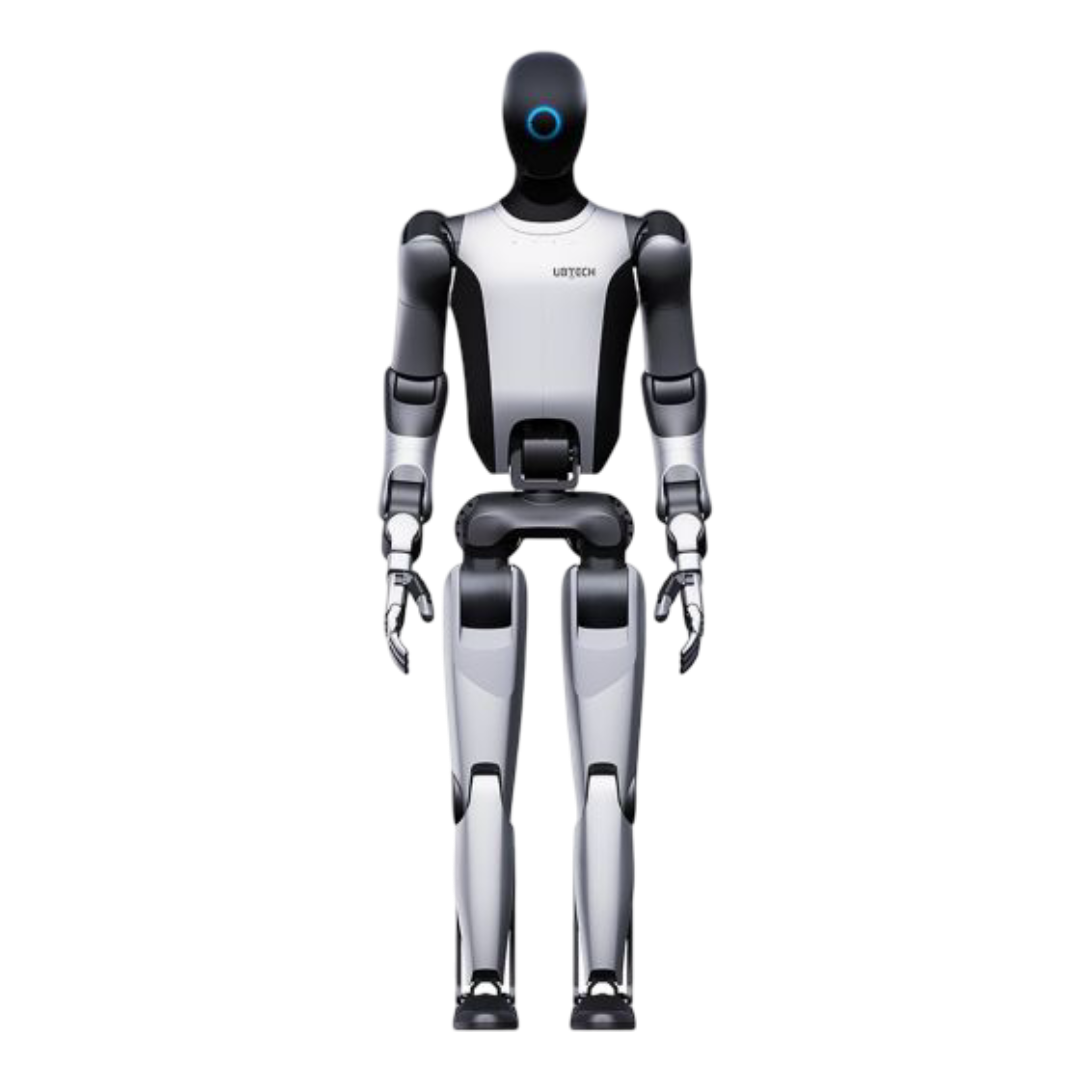
Year First Available
- DOBOT Atom—
- Walker S22012
Verified Deployments
- DOBOT Atom0 Deployments
- Walker S20 Deployments
Layer 2: Operational
Price
- DOBOT Atom$27,500–$79,000 USD
- Walker S2$99,995–$314,286 USD
Battery / Shift Runtime
- DOBOT Atom2 hrs
- Walker S22 hrs
Availability Status
- DOBOT AtomACTIVE
- Walker S2ACTIVE
Physical Form Factor
Height
- DOBOT Atom165 mm
- Walker S2176 mm
Weight
- DOBOT Atom60 kg
- Walker S295 kg
Mobility Type
- DOBOT Atombipedal
- Walker S2bipedal
Humanoid Subtype
- DOBOT Atomfull bipedal
- Walker S2full bipedal
Walking Speed
- DOBOT Atom1.5 m/s
- Walker S22 m/s
Stair Climbing
- DOBOT AtomNo
- Walker S2Yes
Terrain
- DOBOT Atomflat indoor, narrow spaces
- Walker S2flat indoor, stairs
Payload & Dexterity
Payload
- DOBOT Atom3.5 kg
- Walker S252 kg
Total DOF
- DOBOT Atom41
- Walker S252
Arm DOF
- DOBOT Atom7
- Walker S27
Hand DOF
- DOBOT Atom12
- Walker S27
Arm Reach
- DOBOT Atom60 cm
- Walker S2—
Manipulation Repeatability
- DOBOT Atom±0.05 mm
- Walker S2—
Bimanual Coordination
- DOBOT Atomfull bimanual
- Walker S2Yes
Tool Use
- DOBOT Atomproduction validated
- Walker S2—
Compute & AI
Onboard Compute
- DOBOT Atom1500 TOPS
- Walker S2X86 + NVIDIA Jetson Orin
Compute Platform
- DOBOT AtomIntel i9
- Walker S2—
VLM Capable
- DOBOT AtomNo
- Walker S2No
Foundation Models
- DOBOT Atom—
- Walker S2false
Imitation Learning
- DOBOT AtomYes
- Walker S2No
Teleoperation
- DOBOT Atomvr_headset
- Walker S2—
Programming
- DOBOT AtomSDK Support
- Walker S2code_ros
Battery & Power
Runtime
- DOBOT Atom2 hrs
- Walker S22 hrs
Charging Time
- DOBOT Atom1 hrs
- Walker S2—
Charging Method
- DOBOT Atommanual swap
- Walker S2—
Battery Swap
- DOBOT AtomNo
- Walker S2Yes
Safety
Human Detection Method
- DOBOT Atommulti modal
- Walker S2—
Software
SDK Languages
- DOBOT AtomPython
- Walker S2Python
ROS Support
- DOBOT AtomNo
- Walker S2Yes
Open API
- DOBOT AtomYes
- Walker S2Yes
Reliability
Deployment Maturity
- DOBOT Atomproduction pilot
- Walker S2commercial
Commercial
Price (USD)
- DOBOT Atom$27,500–$79,000 USD
- Walker S2$99,995–$314,286 USD
Price Tier
- DOBOT Atomunder_50k
- Walker S280-150K
Pricing Model
- DOBOT Atomcapex
- Walker S2purchase
Warranty
- DOBOT Atom1 yrs
- Walker S2—
Applications
- DOBOT Atomassembly, research
- Walker S2industrial automation, 24/7 manufacturing
| | |
|---|---|---|
| Layer 1: Identity & Trust | ||
| Manufacturer Country | China | China |
| Year First Available (values differ) | — | 2012 |
| Verified Deployments | 0 Deployments | 0 Deployments |
| Layer 2: Operational | ||
| Price (values differ) | $27,500–$79,000 USD | $99,995–$314,286 USD |
| Battery / Shift Runtime (priority for Warehousing & Logistics buyers) | 2 hrs | 2 hrs |
| Availability Status | ACTIVE | ACTIVE |
| Layer 3: Category Specific | ||
| Physical Form Factor | ||
| Height (values differ) | 165 mm | 176 mm |
| Weight (values differ) | 60 kg | 95 kg |
| Mobility Type | bipedal | bipedal |
| Humanoid Subtype | full bipedal | full bipedal |
| Walking Speed (values differ) | 1.5 m/s | 2 m/s |
| Stair Climbing (values differ) | No | Yes |
| Terrain (values differ) | flat indoor, narrow spaces | flat indoor, stairs |
| Payload & Dexterity | ||
| Payload (values differ) | 3.5 kg | 52 kg |
| Total DOF (values differ) | 41 | 52 |
| Arm DOF | 7 | 7 |
| Hand DOF (values differ) | 12 | 7 |
| Arm Reach (values differ) | 60 cm | — |
| Manipulation Repeatability (values differ) | ±0.05 mm | — |
| Bimanual Coordination (values differ) | full bimanual | Yes |
| Tool Use (values differ) | production validated | — |
| Compute & AI | ||
| Onboard Compute (values differ) | 1500 TOPS | X86 + NVIDIA Jetson Orin |
| Compute Platform (values differ) | Intel i9 | — |
| VLM Capable | No | No |
| Foundation Models (values differ) | — | false |
| Imitation Learning (values differ) | Yes | No |
| Teleoperation (values differ) | vr_headset | — |
| Programming (values differ) | SDK Support | code_ros |
| Battery & Power | ||
| Runtime | 2 hrs | 2 hrs |
| Charging Time (values differ) | 1 hrs | — |
| Charging Method (values differ) | manual swap | — |
| Battery Swap (values differ) | No | Yes |
| Safety | ||
| Human Detection Method (values differ) | multi modal | — |
| Software | ||
| SDK Languages (values differ) | Python | Python |
| ROS Support (values differ) | No | Yes |
| Open API | Yes | Yes |
| Reliability | ||
| Deployment Maturity (values differ) | production pilot | commercial |
| Commercial | ||
| Price (USD) (values differ) | $27,500–$79,000 USD | $99,995–$314,286 USD |
| Price Tier (values differ) | under_50k | 80-150K |
| Pricing Model (values differ) | capex | purchase |
| Warranty (values differ) | 1 yrs | — |
| Applications (values differ) | assembly, research | industrial automation, 24/7 manufacturing |
Insufficient data for full comparison
The following fields had no data for any of the selected robots: Running Capable, Payload (Peak), Grip Strength, Battery Capacity, Avg Power Consumption, Force-Limited Arms, Fall Recovery, Fall Detection Response, Emergency Stops, Safe Speed Near Humans, Simulation Platforms, Air-Gap Capable, MTBF, Task Success Rate, IP Rating, Noise Level, RaaS / Month, Developer Unit Price, Delivery Lead Time, Production Pilots
best in categoryweakest in categoryvalues differ
ROI Comparison
Same operating assumptions across every robot — the only difference is price. Set your numbers once to see which pays back fastest.
Annual labor displaced (per robot): $50,000
| Metric | DOBOT Atom | Walker S2 |
|---|---|---|
| Investment | $53,250 | $207,140 |
| Payback period | 12.8 mo | 49.7 mo |
| Net savings (5 yr) | $196,750 | $42,860 |
| ROI (5 yr) | +369% | +21% |
Estimates labor-cost displacement only — not a full total cost of ownership. Actual ROI depends on integration, maintenance, training, downtime, and task fit. Converted currencies are indicative; USD is the price of record.
Trade-offs at a glance
Frequently asked
Who makes DOBOT Atom and Walker S2?
DOBOT Atom is made by Shenzhen Yuejiang Technology Co., Ltd., based in CN. Walker S2 is made by UBTECH Robotics Corp Ltd., based in CN.
How do DOBOT Atom and Walker S2 compare on the Robo Index?
DOBOT Atom grades A on the Robo Index. Walker S2 grades AA. The Robo Index is a credibility grade (AAA … C) that blends commercial maturity, verified deployments, company standing, and independent coverage — see methodology for the full breakdown.
What is the payload difference between DOBOT Atom and Walker S2?
DOBOT Atom carries up to 3.5 kg. Walker S2 carries up to 15 kg.
Are DOBOT Atom and Walker S2 in the same category?
Both robots are classified as Humanoid on Robolist. Filters and ranking treat them as direct alternatives.
What is the realistic total cost of ownership for Humanoid robots?
Hardware cost is one input. Humanoid TCO also includes integration, training, downtime, and end-of-life. Our breakdown: Humanoid TCO: Hardware, Cloud Subscriptions, and the Cost of Teleop Time.
What should a buyer ask vendors when choosing between DOBOT Atom and Walker S2?
Spec sheets only show part of the story. Useful vendor questions cover support, lifecycle, integration cost, and references. We have a buyer-focused checklist: Vendor Selection for Humanoids: The 10 Questions You Must Ask.
Going deeper — picking the right robot
Humanoid TCO: Hardware, Cloud Subscriptions, and the Cost of Teleop Time
8 min readHumanoid Robots
Vendor Selection for Humanoids: The 10 Questions You Must Ask
10 min readHumanoid Robots
Running a Humanoid Pilot: Scope, Success Criteria, and Exit Options
9 min readHumanoid Robots
Build vs buy vs lease: which model fits a first deployment
8 min readChoosing Your First Robot
The hidden specs vendors hope you'll miss
10 min readReading the Spec Sheet
Want to be notified when specs or pricing change for these robots? Drop your email.
About this comparison
DOBOT Atom vs Walker S2 compares two robots in the humanoid category. All data is sourced from manufacturer spec sheets, verified deployments, and third-party filings; see our methodology for how the Robo Index is calculated.