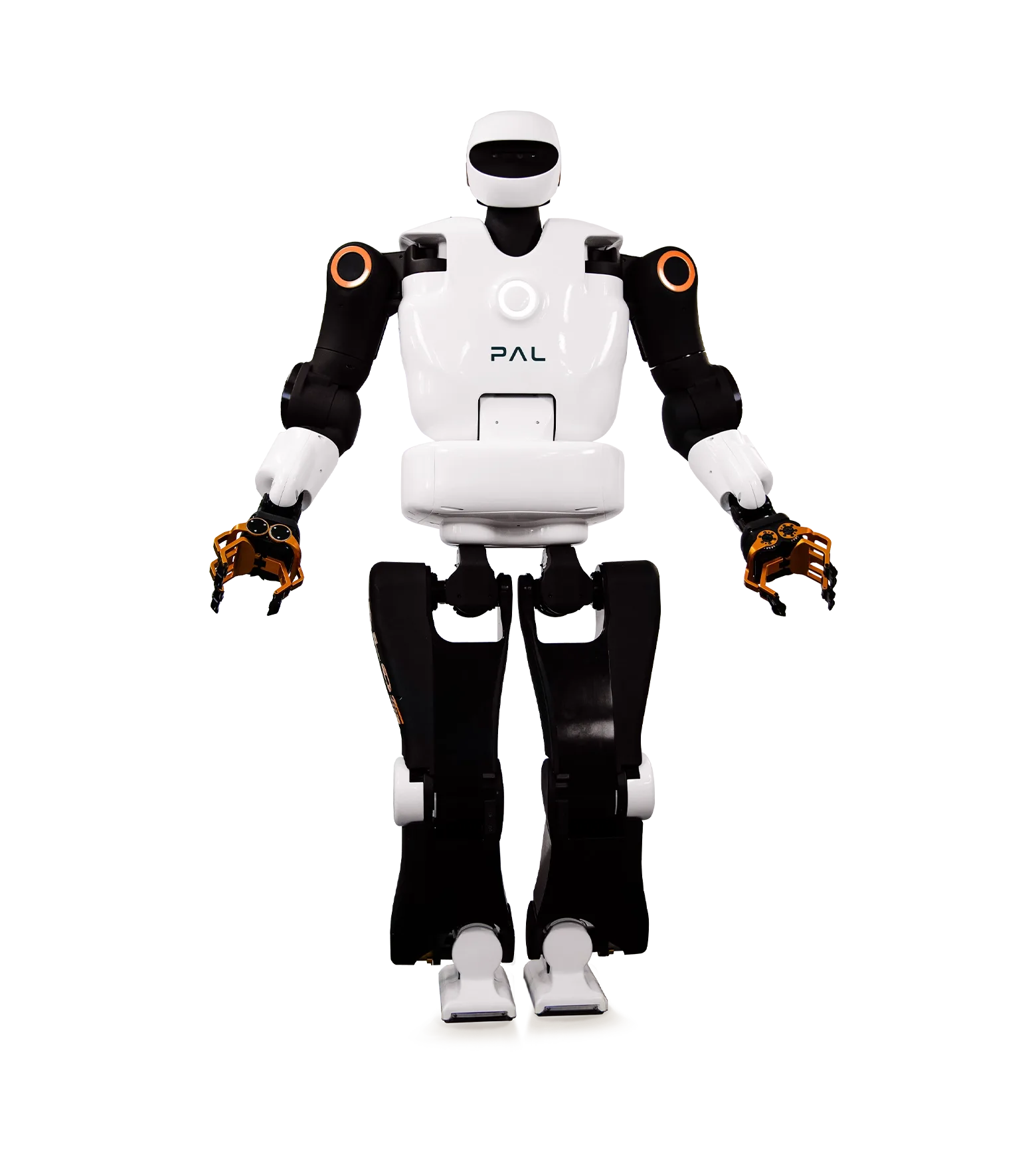
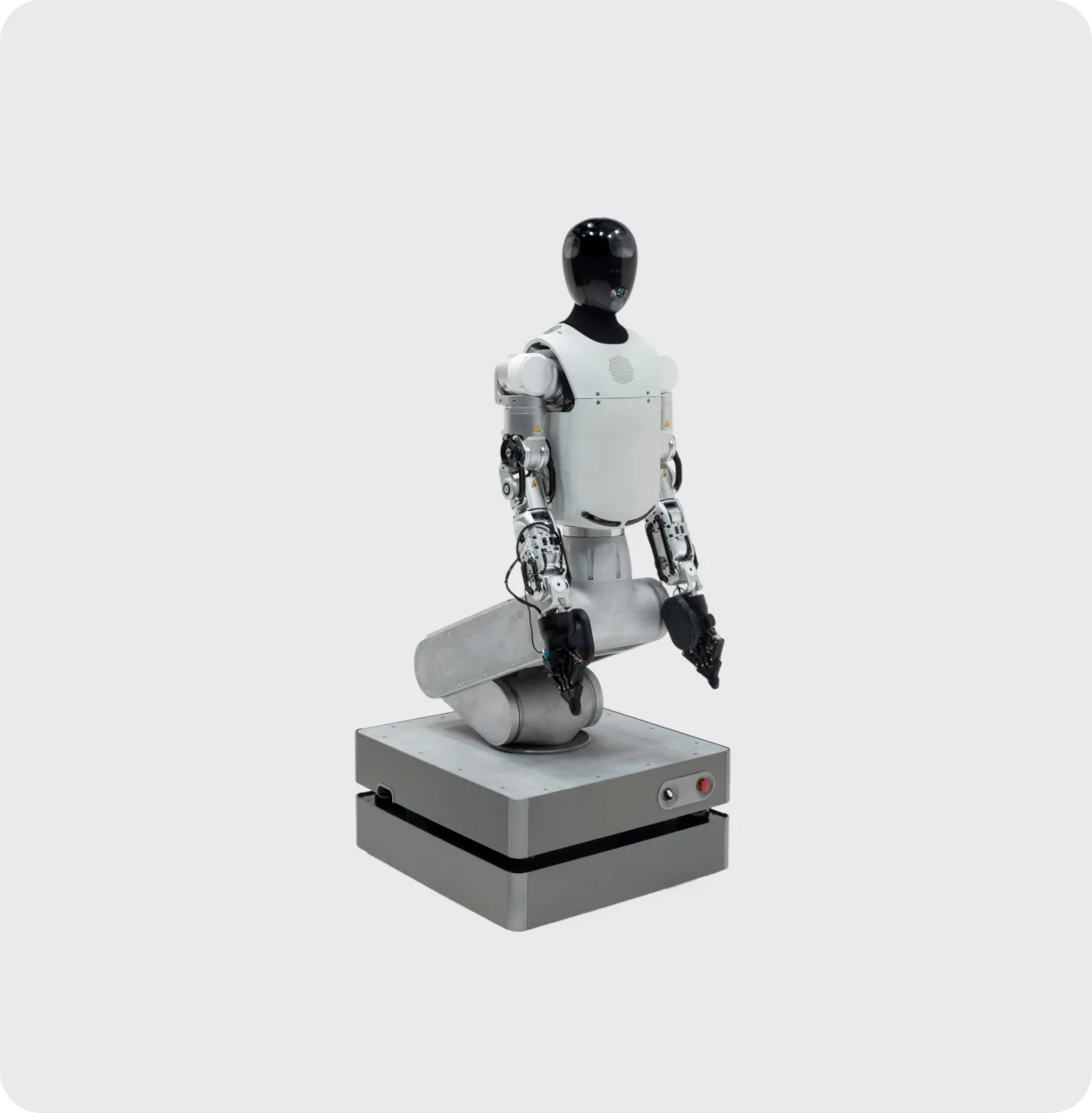
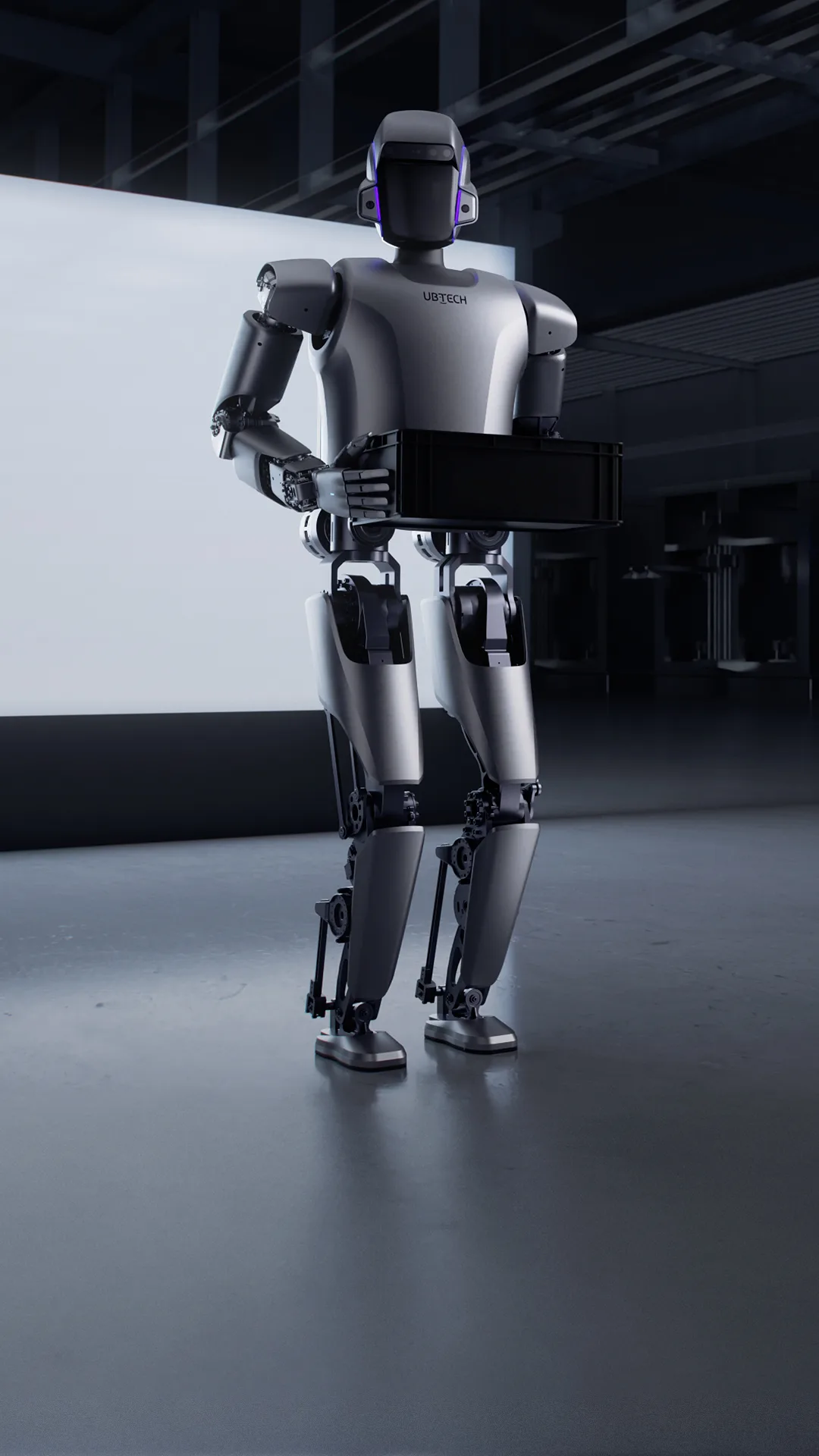
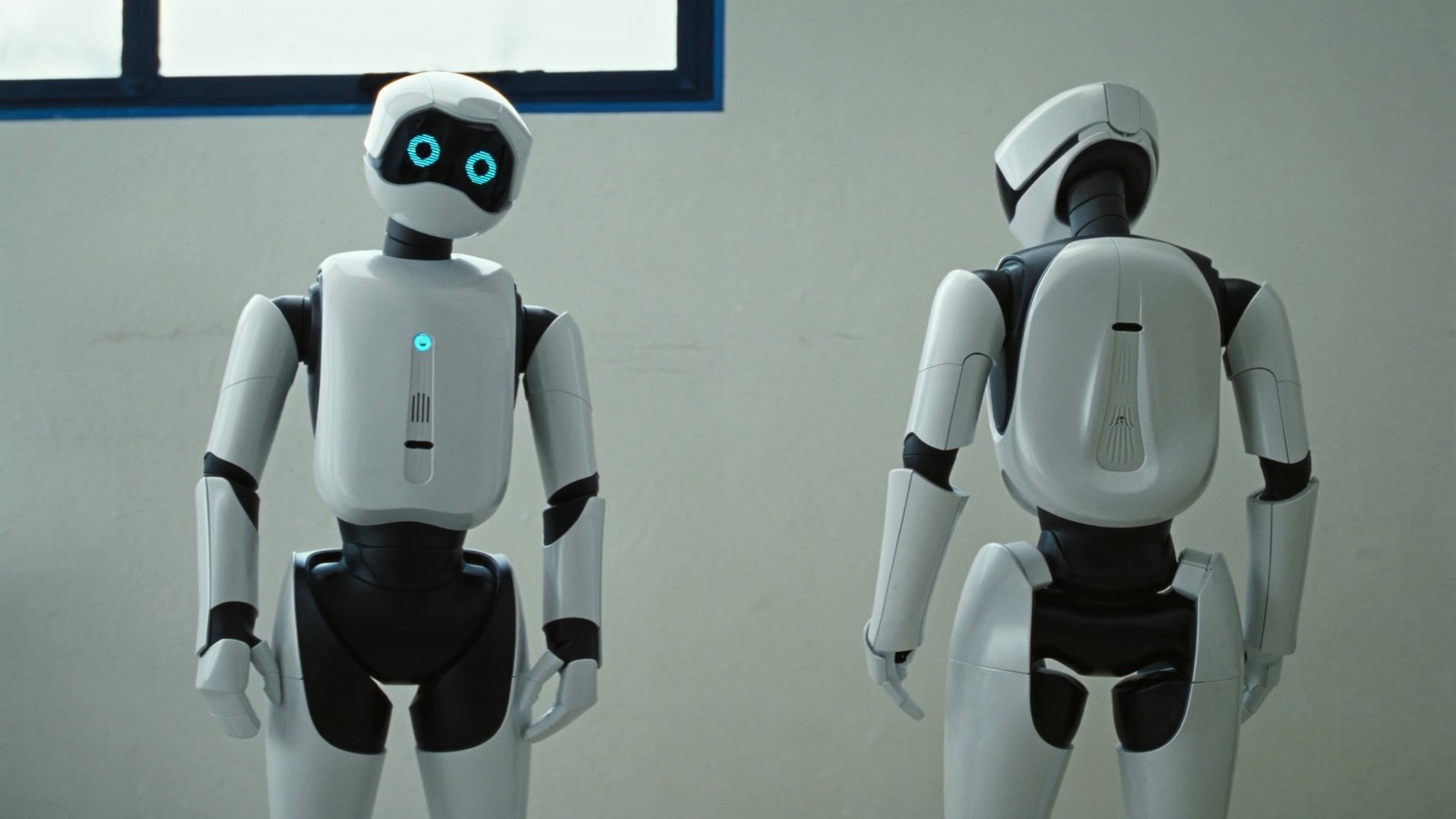
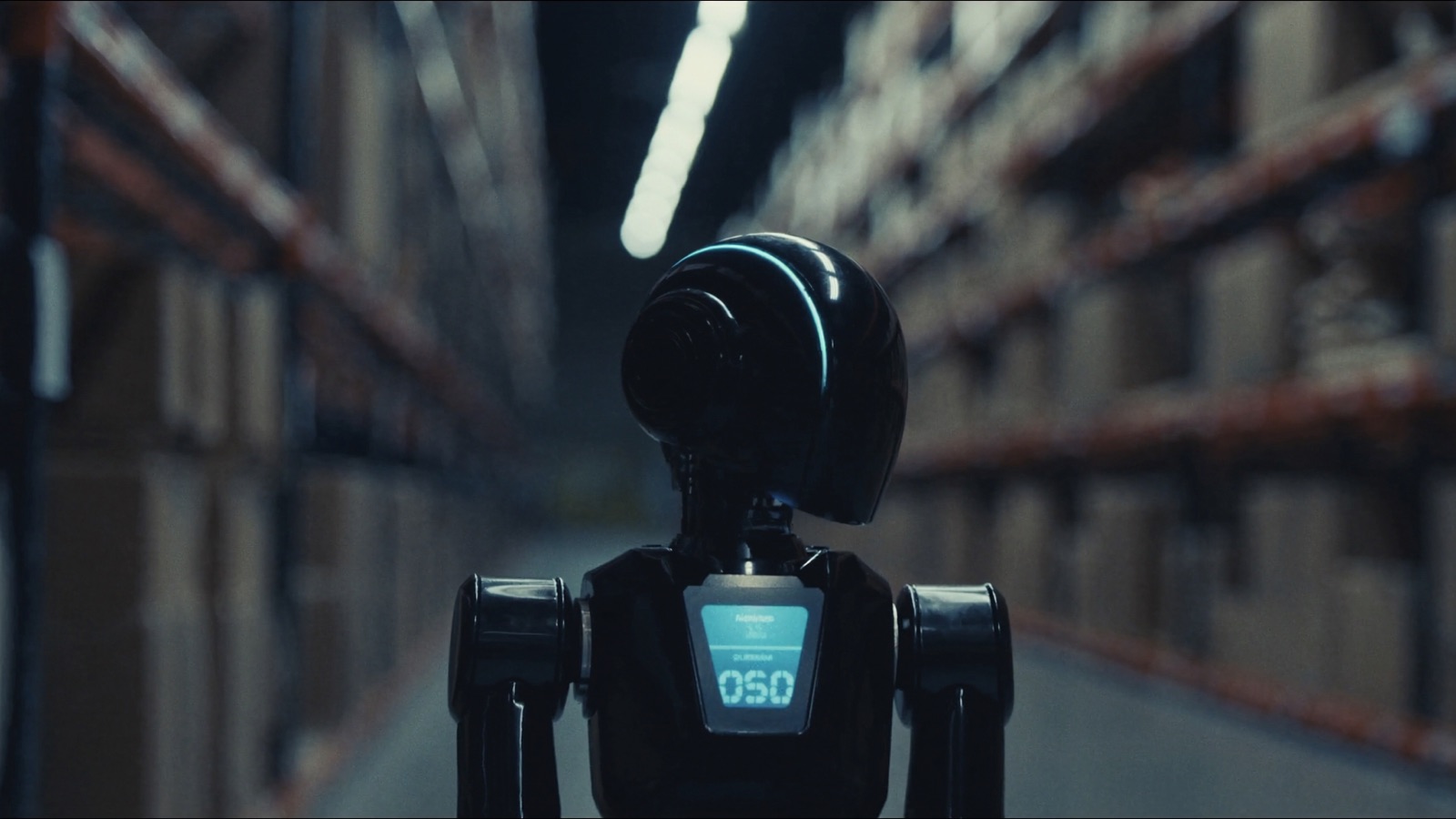
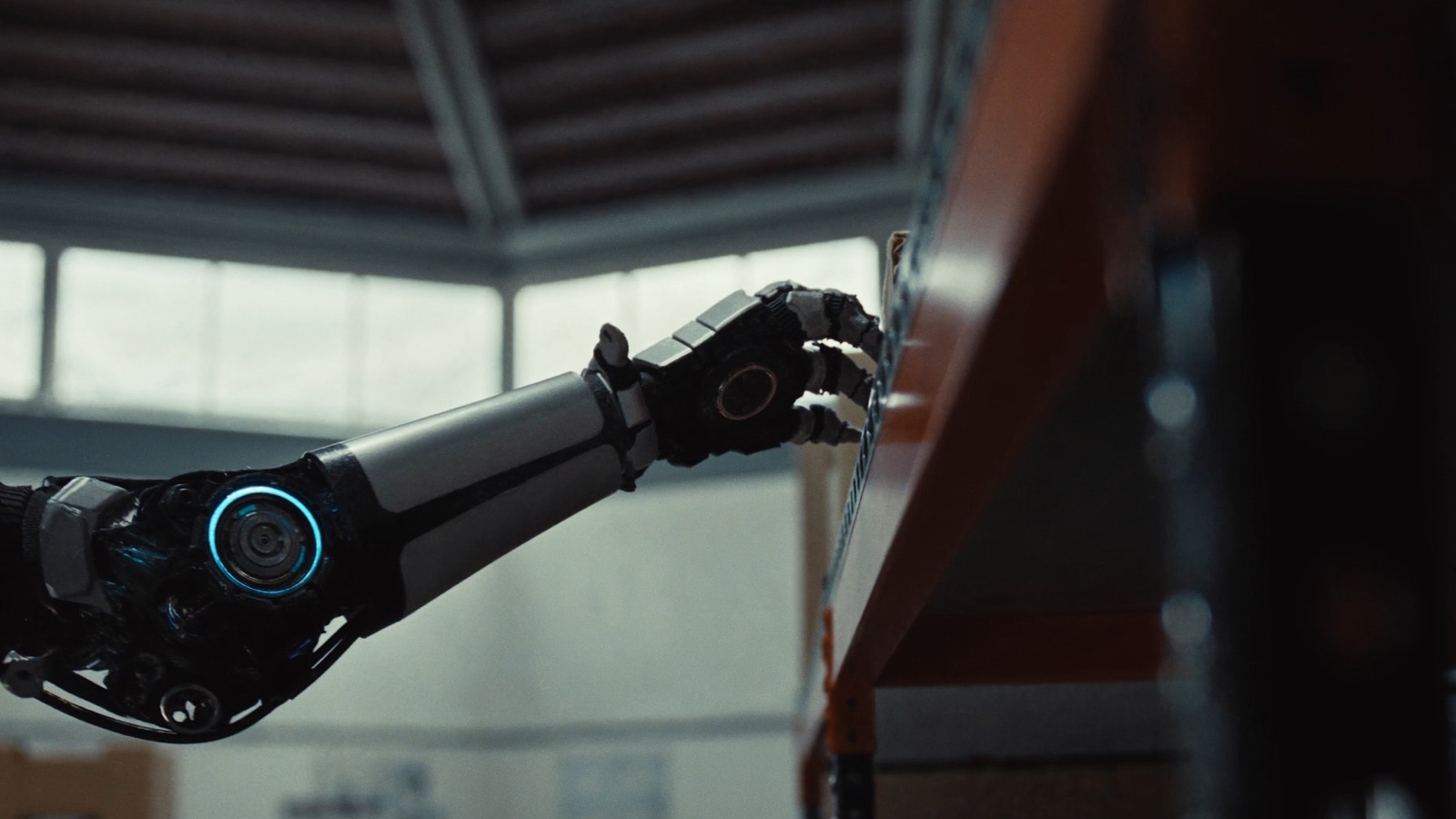
The Robonaut is a Humanoid robot developed by NA (United States), launched 2011. Key specifications: form factor full bipedal, mobility bipedal, total dof 14, dof / arm 7.
RoboScore
Speculative — thin evidence
No confirmed deployment on record — this score reflects the rest of the record, not verified adoption.
4 of 9 signals present
Recomputed nightly from public data. Missing data is skipped, never zero-filled — and rankings are never for sale.
Weighted factors
average of the 4 scored · blanks don't count
Not in the Humanoid standing. The standings cover robots first sold from 2020 onward, and this one launched in 2011. Its Robo Score above is unaffected — the score is the evidence, the standing is only who it is listed against.
See the Humanoid standingWill it fit your job?
Tell us the job in plain words — we'll show how this robot measures up, line by line.
Tell us what your job needs — payload, budget, region, must-have certifications — and we'll show how Robonaut measures up, requirement by requirement. The RoboScore (trust) above is shown for every buyer, regardless.
Overview
A development project conducted by NASA to create humanoid robots capable of using space tools and working in similar environments to suited astronauts.
Flagship features
- Developed through collaboration between NASA, General Motors, and Oceaneering
- Designed to perform tasks alongside humans on Earth and in space
- Has capabilities more than four times faster than its predecessor Robonaut 1
- Built for a range of industries including logistics, medical, and industrial robotics
- Features advanced technology for dexterity, including series elastic joint technology and ultra-high speed joint controllers
Buyer decision signals
Viability
Two Astrobees operated independently on ISS
Price
Published figures are build cost or program budget, not a purchase price
Availability
Specifications
Category: Humanoid- Form factor
- full bipedal
- Mobility
- bipedal
- Total DOF
- 14
- DOF / arm
- 7
- Payload
- 9.07 kg
- Lifting capacity
- 9.07 kg
- Hot-swap battery
- No
- Onboard compute
- robot's torso
- Sensors
- cameras
- LiDAR
- No
- F/T sensors
- No
- VLM on-board
- No
- Imitation learning
- No
- Bimanual
- Yes
- Stair climbing
- No
- Terrain
- flat indoor
- Programming
- robot's torso
- ROS 1
- No
- ROS 2
- No
- API / SDK
- No
- SDK languages
- C++
- Maturity
- commercial
- Environments
- space, International Space Station
- Industries
- aerospace, manufacturing
Top 51% of 196 models with this spec
Top 51% of 196 models with this spec
Company profile
- Founded
- 1958
Detailed specifications
What it is built for1
- Applications
- teleoperation,research
Movement & precision2
- Grip Force N
- 88.9
- Navigation Type
- vision
Buying & support1
- Availability Status
- available
Who runs it· deployment evidence
No deployment evidence on file
A deployment is recorded when a public source names the customer, or the maker confirms it. Nothing here counts against this robot.
15 other robots in this category have one.
Add a deployment →Company milestones
- Apr 2022DeploymentTwo Astrobees operated independently on ISS
- Apr 2022DeploymentTwo Astrobees worked independently in separate ISS modules
- Apr 2022DeploymentQueen and Bumble work independently in ISS modules
- Apr 2022DeploymentAstrobee robots achieved an in-space first
- Nov 2019DeploymentHoney deployed on the ISS
- Jul 2019DeploymentQueen launched to the ISS
- Jul 2019DeploymentThird Astrobee robot launched
- Jun 2019DeploymentBumble first free flight in space
Compare with peers
Frequently asked questions
- Who makes the Robonaut?
- The Robonaut is developed by NA, based in United States.
- What type of robot is the Robonaut?
- The Robonaut is a Humanoid robot made by NA.
- How much does the Robonaut cost?
- Pricing for the Robonaut is not publicly listed — contact NA for a quote.
- When was the Robonaut launched?
- The Robonaut was launched in 2011.
- What are the key specifications of the Robonaut?
- Key specifications of the Robonaut: form factor full bipedal, mobility bipedal, total dof 14, dof / arm 7, payload 9.07 kg.
Reviews for Robonaut
Loading reviews…