HRP-4 vs Modular Prosthetic Limb
Side-by-side comparison of HRP-4 (Kawada Industries) and Modular Prosthetic Limb (Johns Hopkins University Applied Physics Laboratory (APL)) — specs, pricing, Robolist Product Score, and verified deployments. Updated daily.
Optimize comparison for buyer
Optimized for Manufacturing buyers. Priority specs lifted to the top and marked with a target.
Layer 1: Identity & Trust
Manufacturer Country
- HRP-4Japan
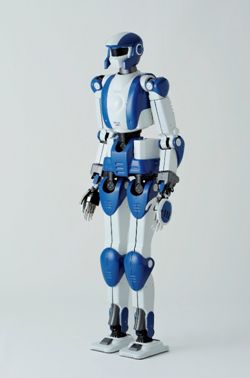
- Modular Prosthetic LimbUnited States

Year First Available
- HRP-42010
- Modular Prosthetic Limb2010
Verified Deployments
- HRP-40 Deployments
- Modular Prosthetic Limb0 Deployments
Layer 2: Operational
Price Range (USD)
- HRP-4$300,000
- Modular Prosthetic LimbContact for quote
Battery / Shift Runtime
- HRP-4—
- Modular Prosthetic Limb4 hrs
Availability Status
- HRP-4ACTIVE
- Modular Prosthetic LimbACTIVE
Cross-Category Comparison
Showing shared foundation fields. Select robots from the same category for full spec comparison.
| Modular Prosthetic Limbsurgical-medicalJohns Hopkins University Applied Physics Laboratory (APL) 58.7Product Score | |
|---|---|---|
| Layer 1: Identity & Trust | ||
| Manufacturer Country (values differ) | Japan | United States |
| Year First Available | 2010 | 2010 |
| Verified Deployments | 0 Deployments | 0 Deployments |
| Layer 2: Operational | ||
| Price Range (USD) (values differ) | $300,000 | Contact for quote |
| Battery / Shift Runtime (values differ) | — | 4 hrs |
| Availability Status | ACTIVE | ACTIVE |
| Layer 3: Category Specific | ||
Cross-Category Comparison Showing shared foundation fields. Select robots from the same category for full spec comparison. | ||
Insufficient data for full comparison
The following fields had no data for any of the selected robots: Max Speed, IP Rating
best in categoryweakest in categoryvalues differ
Trade-offs at a glance
Frequently asked
Who makes HRP-4 and Modular Prosthetic Limb?
HRP-4 is made by Kawada Industries, based in JP. Modular Prosthetic Limb is made by Johns Hopkins University Applied Physics Laboratory (APL), based in US.
When were HRP-4 and Modular Prosthetic Limb launched?
HRP-4 launched in 2010. Modular Prosthetic Limb launched in 2010.
How do HRP-4 and Modular Prosthetic Limb compare on the Robolist Product Score?
HRP-4 scores 33/100. Modular Prosthetic Limb scores 59/100. The Product Score blends specs, pricing transparency, verified deployments, and independent media coverage — see methodology for the full breakdown.
What is the payload difference between HRP-4 and Modular Prosthetic Limb?
HRP-4 carries up to 0.5 kg. Modular Prosthetic Limb carries up to 6.8 kg.
Are HRP-4 and Modular Prosthetic Limb comparable?
HRP-4 is categorized as Humanoid; Modular Prosthetic Limb as Surgical Medical. The Product Score is calculated per category, so the absolute scores reflect their respective category tiers.
What is the realistic total cost of ownership for Humanoid And Surgical Medical robots?
Hardware cost is one input. Humanoid And Surgical Medical TCO also includes integration, training, downtime, and end-of-life. Our breakdown: Humanoid TCO: Hardware, Cloud Subscriptions, and the Cost of Teleop Time.
What should a buyer ask vendors when choosing between HRP-4 and Modular Prosthetic Limb?
Spec sheets only show part of the story. Useful vendor questions cover support, lifecycle, integration cost, and references. We have a buyer-focused checklist: Vendor Selection for Humanoids: The 10 Questions You Must Ask.
Going deeper — picking the right robot
Humanoid TCO: Hardware, Cloud Subscriptions, and the Cost of Teleop Time
8 min readHumanoid Robots
Vendor Selection for Humanoids: The 10 Questions You Must Ask
10 min readHumanoid Robots
Running a Humanoid Pilot: Scope, Success Criteria, and Exit Options
9 min readHumanoid Robots
Surgical Robot TCO: Capital, Consumables, Training, and Per-Procedure Cost
8 min readSurgical & Medical Robots
Surgical Robot Vendor Selection: Support Coverage, Software Upgrades, and Lifecycle
9 min readSurgical & Medical Robots
About this comparison
HRP-4 vs Modular Prosthetic Limb compares two robots in the humanoid and surgical-medical categories. All data is sourced from manufacturer spec sheets, verified deployments, and third-party filings; see our methodology for how the Robolist Product Score is calculated.