Trending Robots — Q3 2026
The robots the world talked about most this quarter — and, beside them, what is on record.
27 robots ranked by attention3 of them with named deployments on record$9.33B in funding recorded
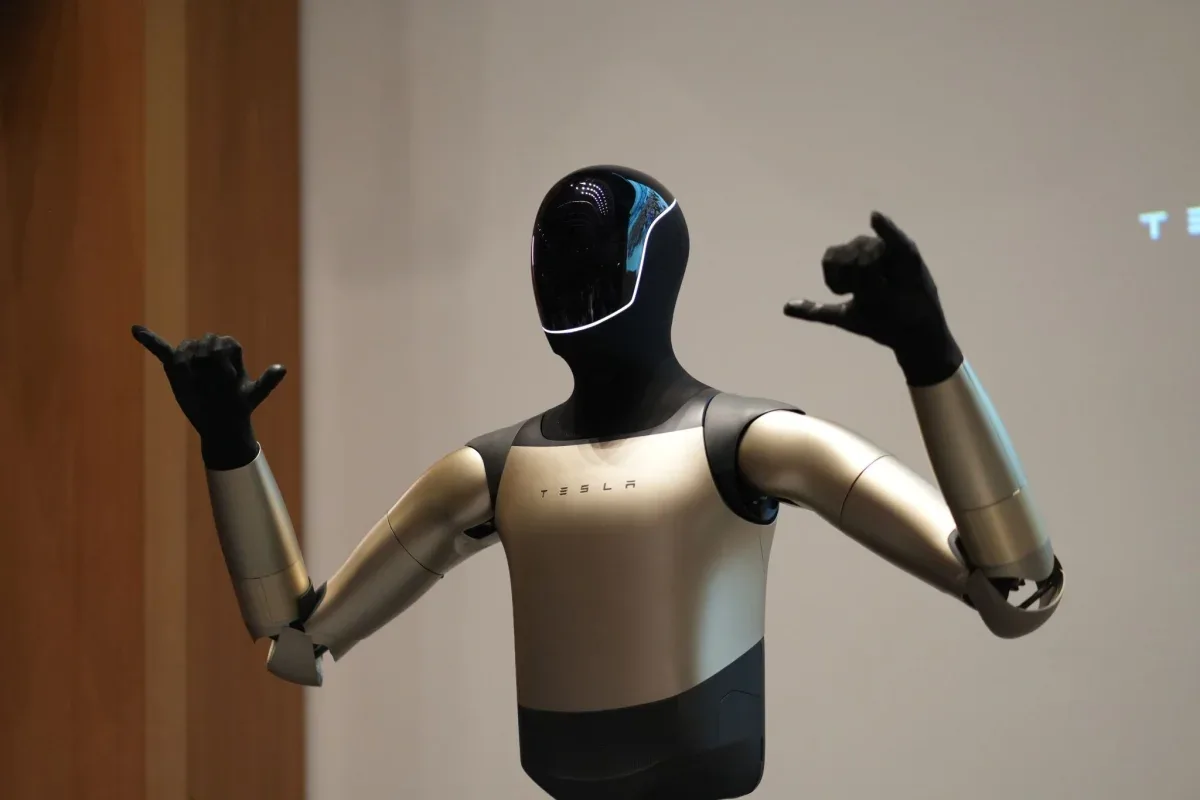
Tesla said in July that Optimus production at Fremont was expected later this year. In September, Electrek relayed a report by The Information that output had reached several hundred a week in August, mostly for internal testing and training.
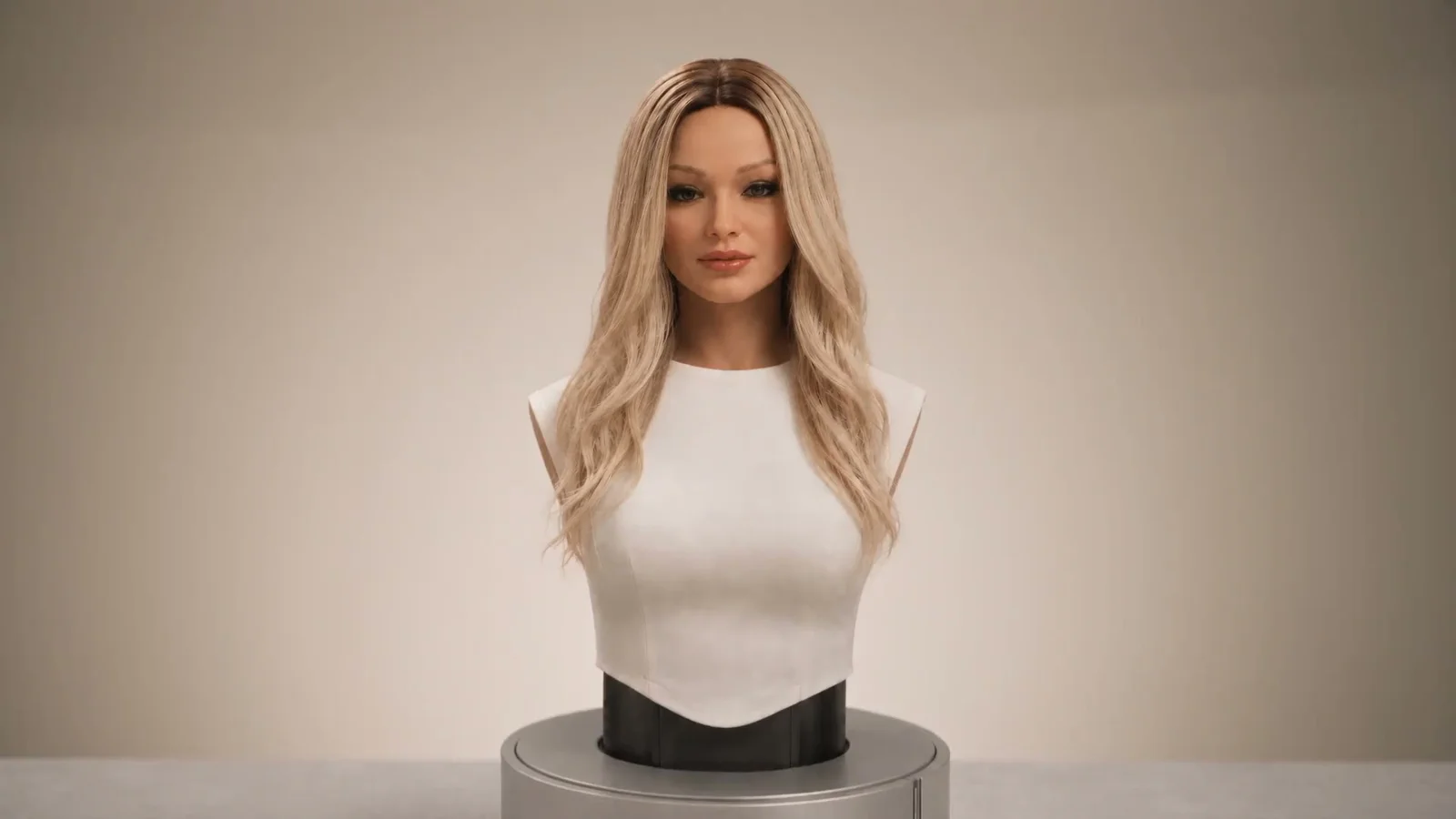
Most of Realbotix's coverage came from a New York school district's plan, announced in late June, to pilot one of its humanoid robots in a classroom. The district put the pilot on hold on 24 July; Realbotix had said the robot was not yet deployed.
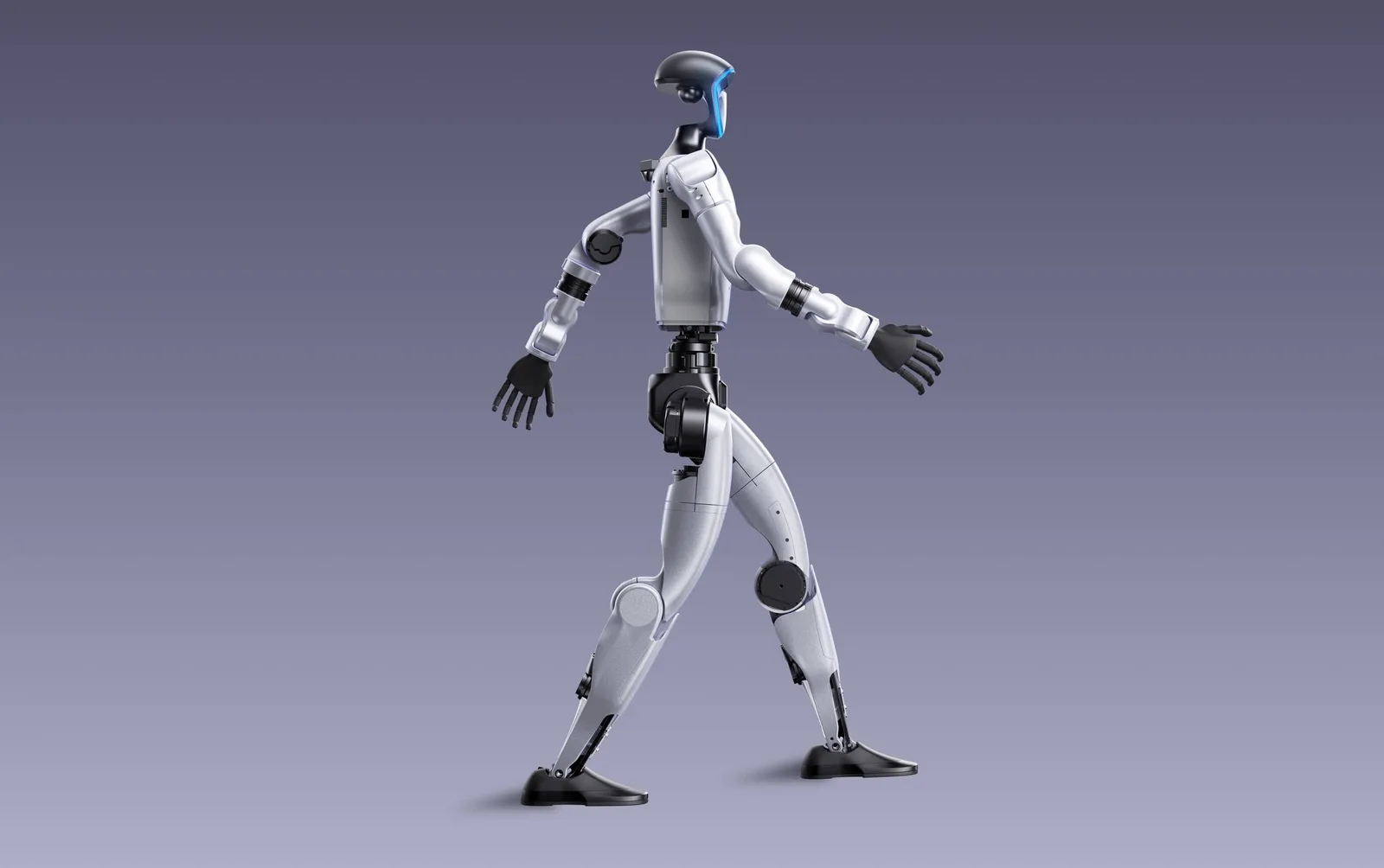
Much of the attention came from Unitree's Shanghai listing. The G1 itself made news for a sparring video Unitree called fully autonomous, and for two security flaws in the EDU model reported by The Hacker News.
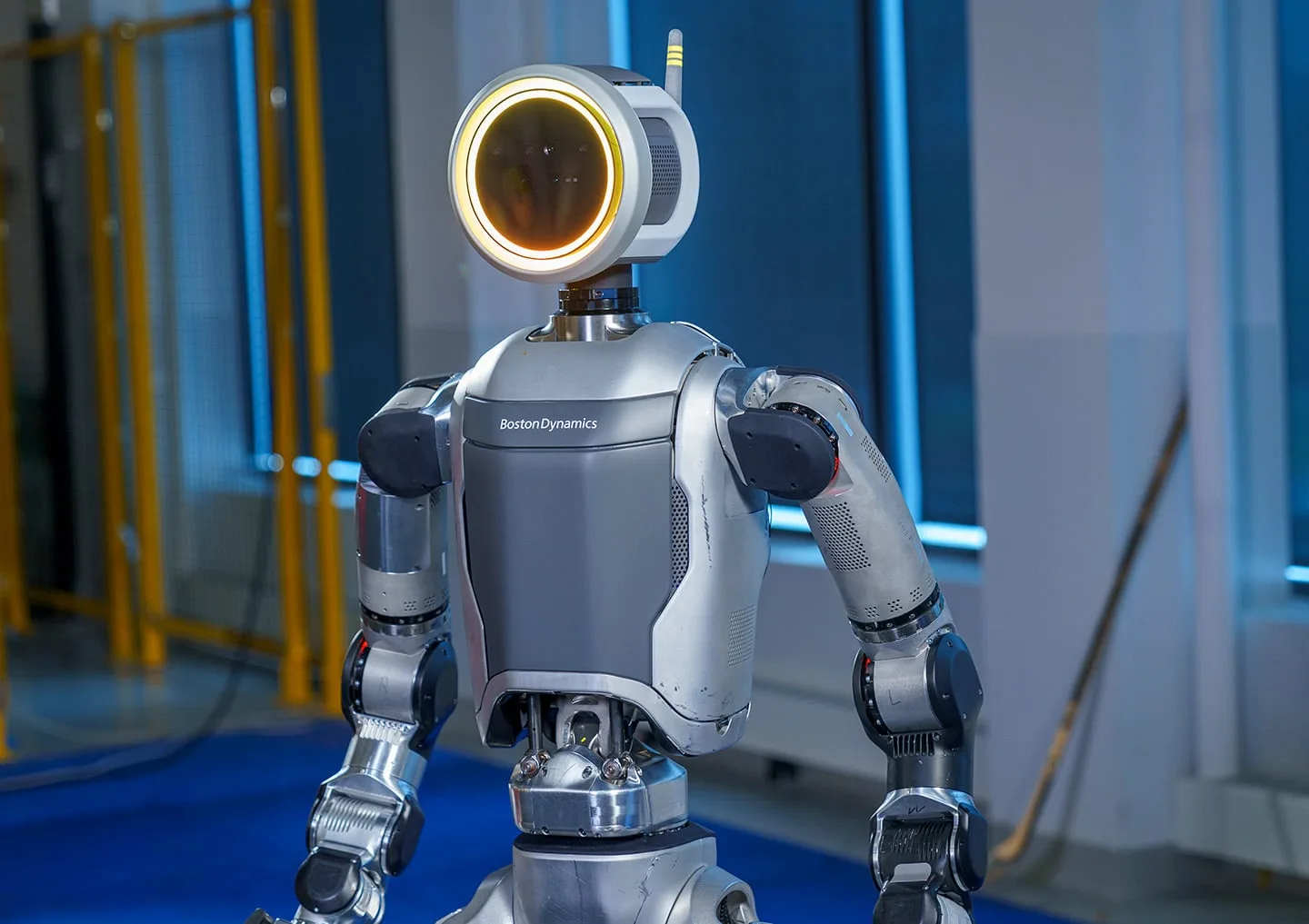
Atlas performed at half-time of a World Cup match in July, and in September Boston Dynamics said it had opened a centre to train humanoid robots for manufacturing tasks.

UBTech unveiled the UWORLD U1 humanoid line on 30 June, the day before the quarter began. Home deliveries in China began on 16 September, according to reports, with no delivered count disclosed.
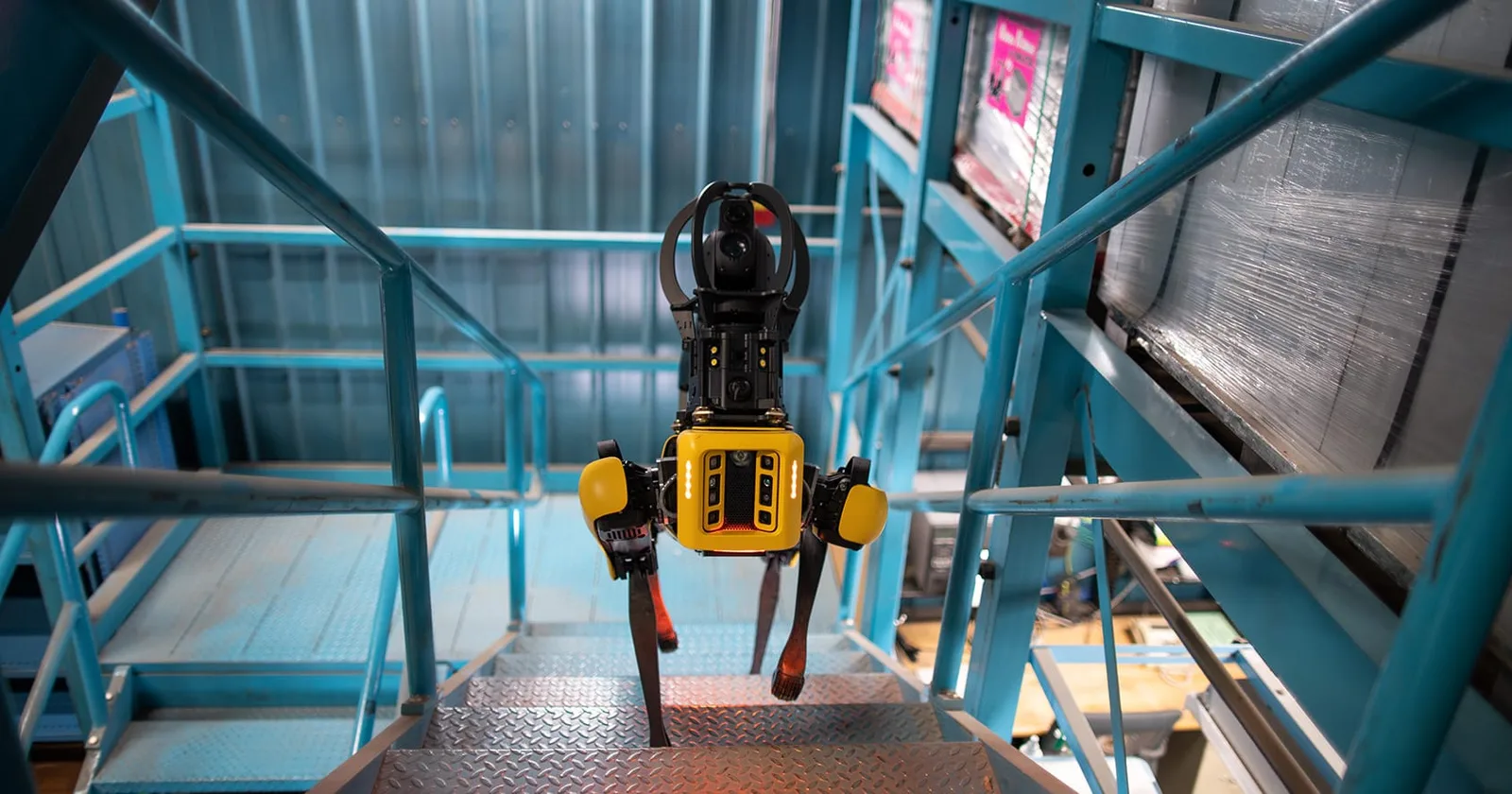
Spot was in the news for work at a Utah copper mine and for reports that US Immigration and Customs Enforcement plans to buy Boston Dynamics robot dogs.
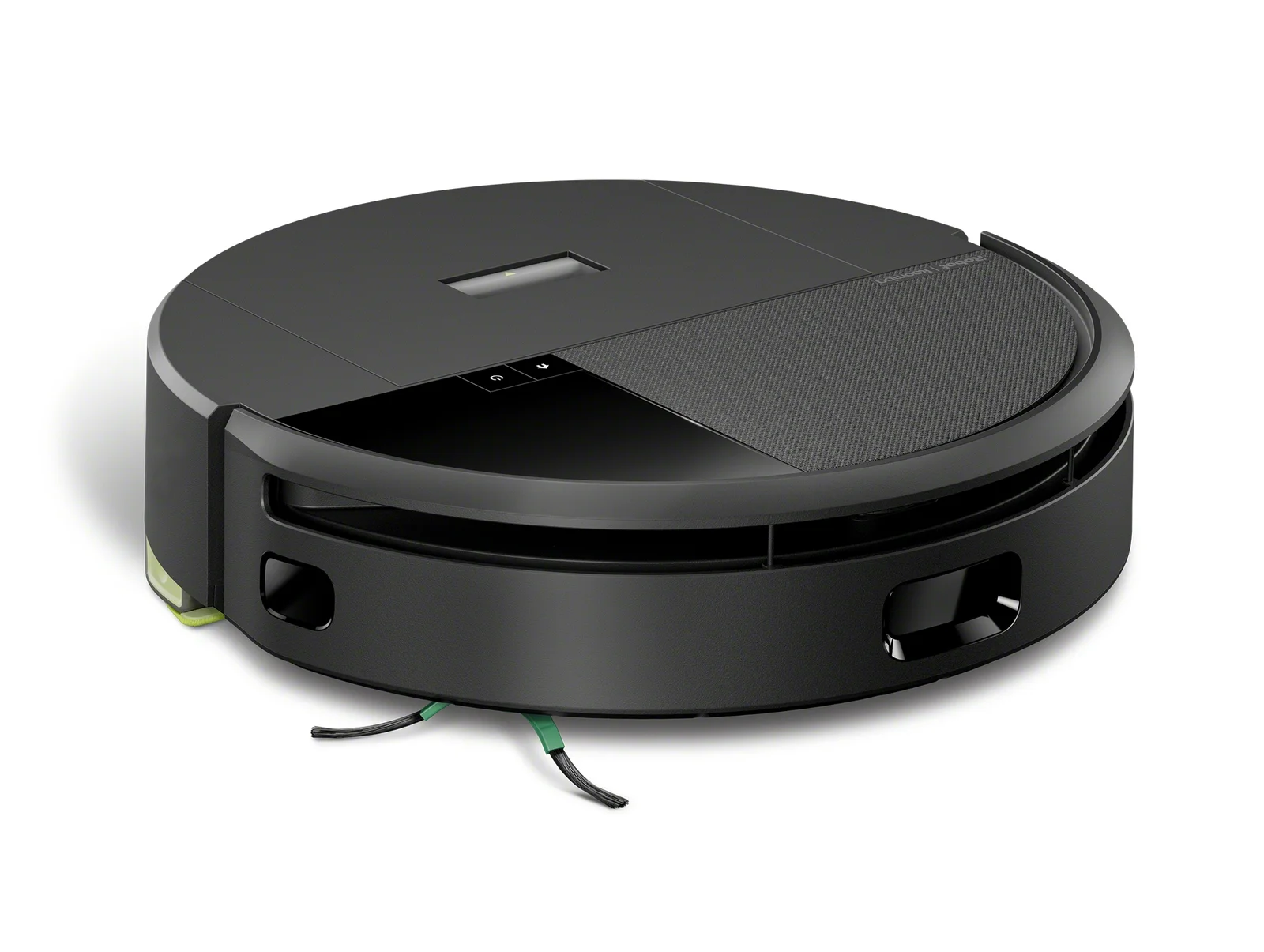
Reviews and new-product news drove much of the coverage, including Engadget's report on the $1,199 Roomba Max 875 Combo.
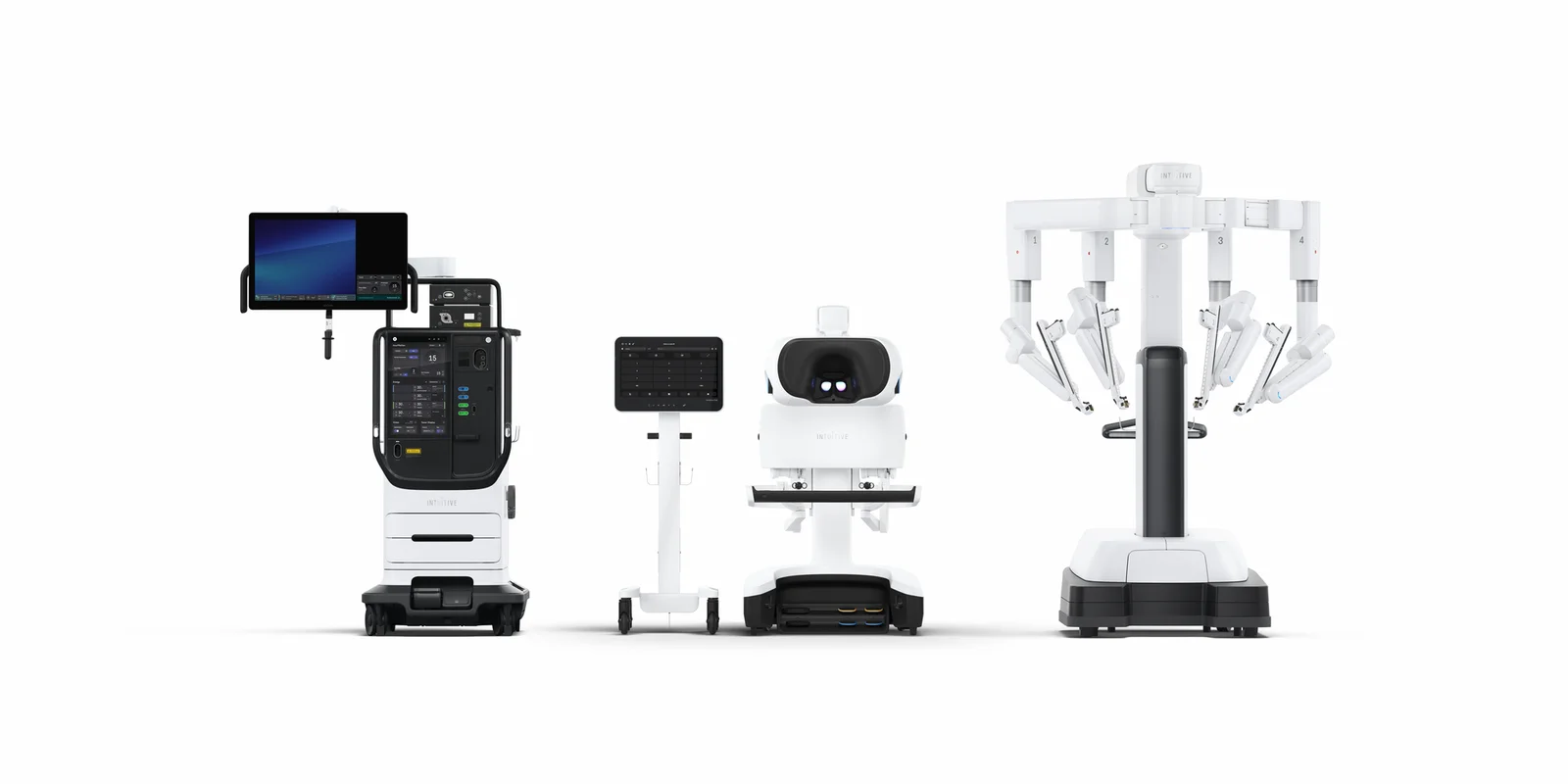
Hospitals announcing new da Vinci 5 systems drove much of the coverage, alongside a Yahoo Finance question about Intuitive's next upgrade cycle.
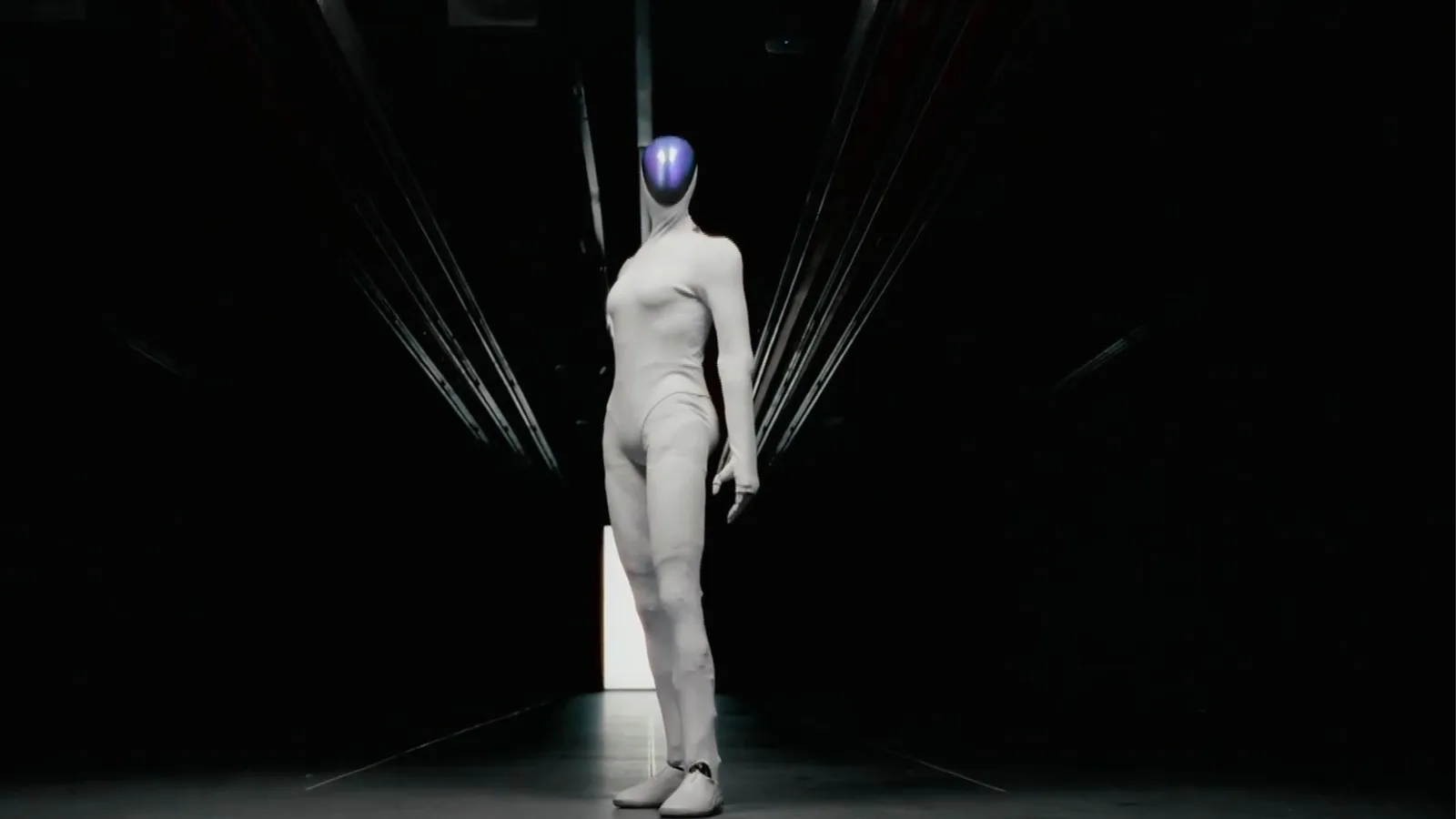
XPeng opened an IRON production line in September and released footage of a newly assembled robot walking off it. XPeng says mass production is scheduled for the end of the year.
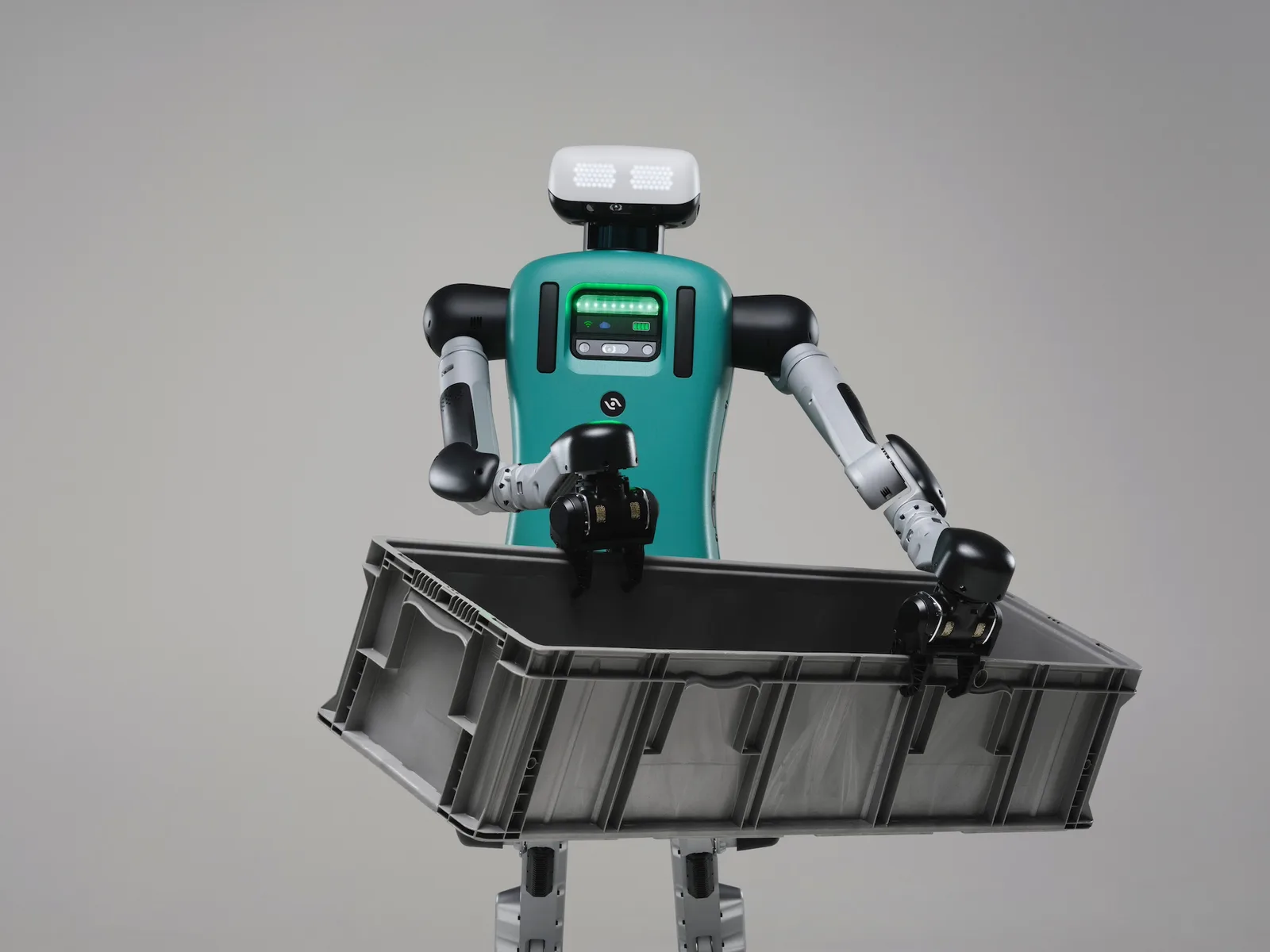
Agility unveiled Digit 5 on 15 September, saying it can work near people without safety cages. Early access is expected in the first half of 2027 and general availability by the end of 2027.
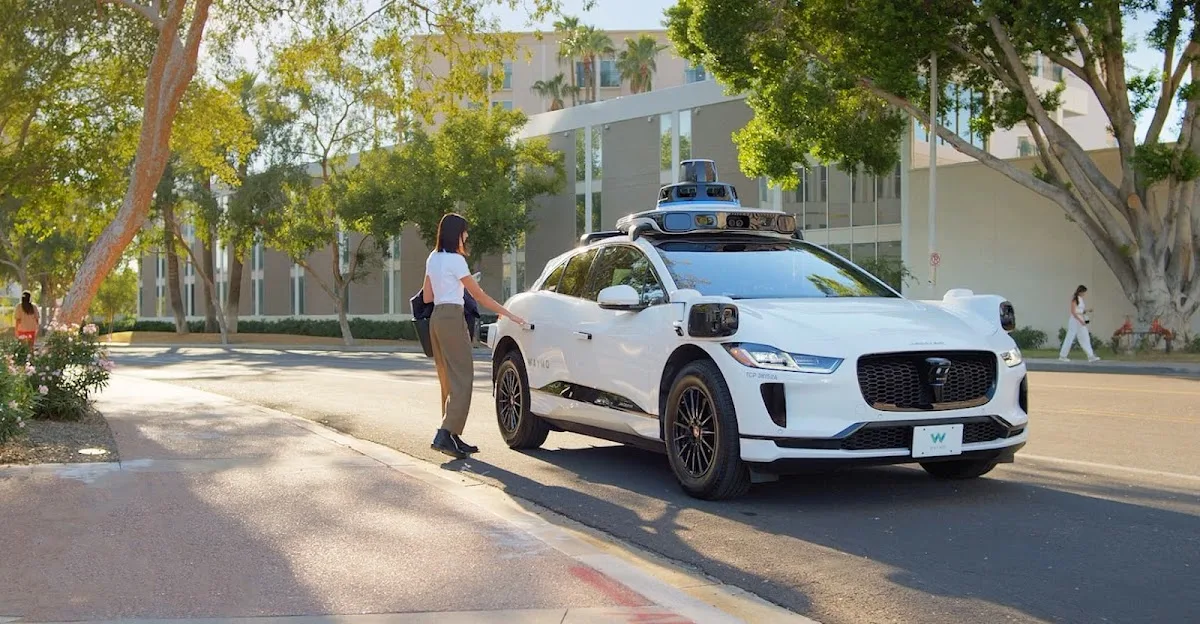
Waymo opened rides in Las Vegas to its first public riders in September, while Minneapolis weighed restrictions on autonomous vehicles during its testing there.
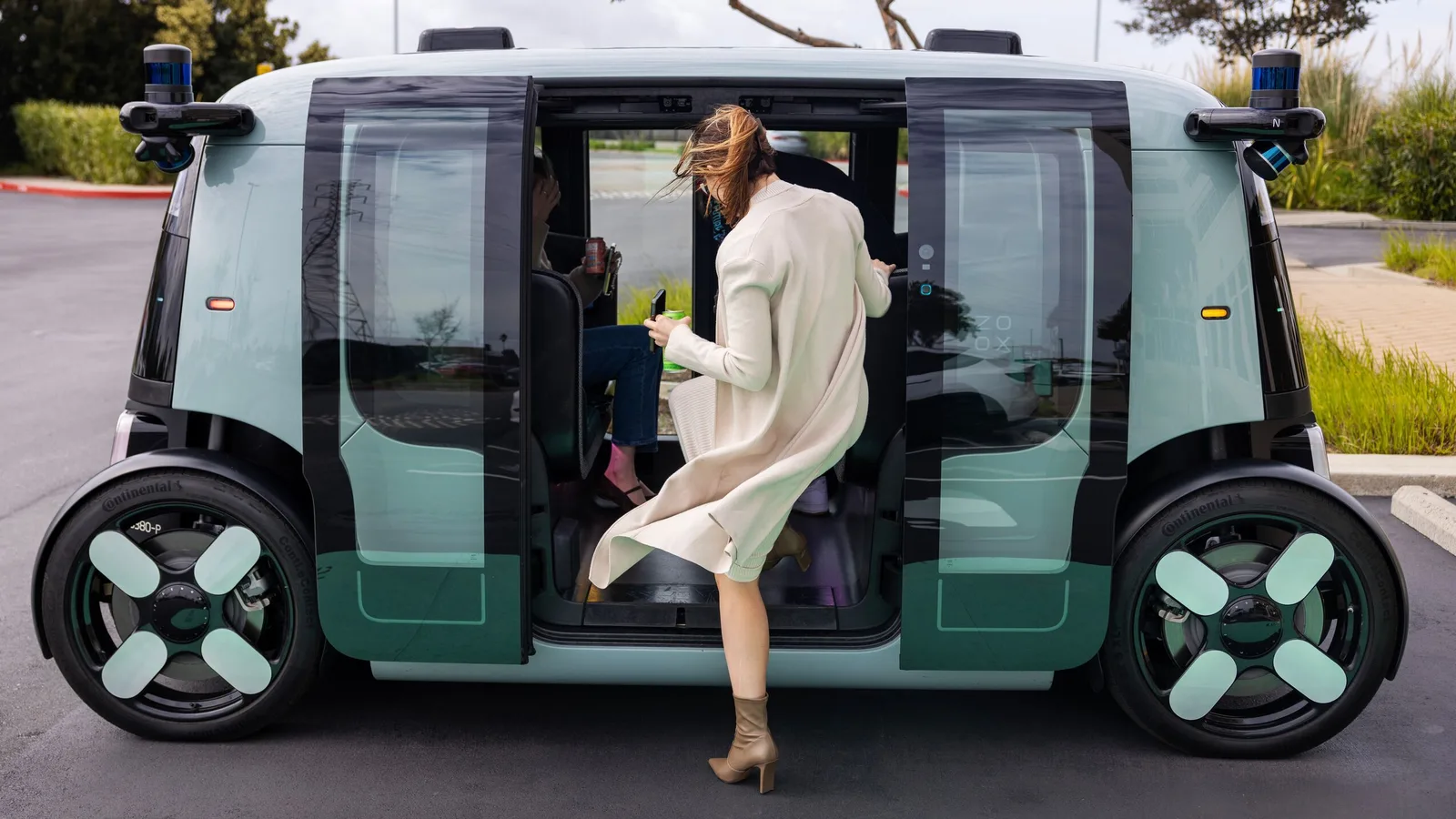
Reuters reported that Zoox won the first US approval for paid robotaxi rides in a vehicle with no human controls, and CNBC reported it expanding into more US markets.
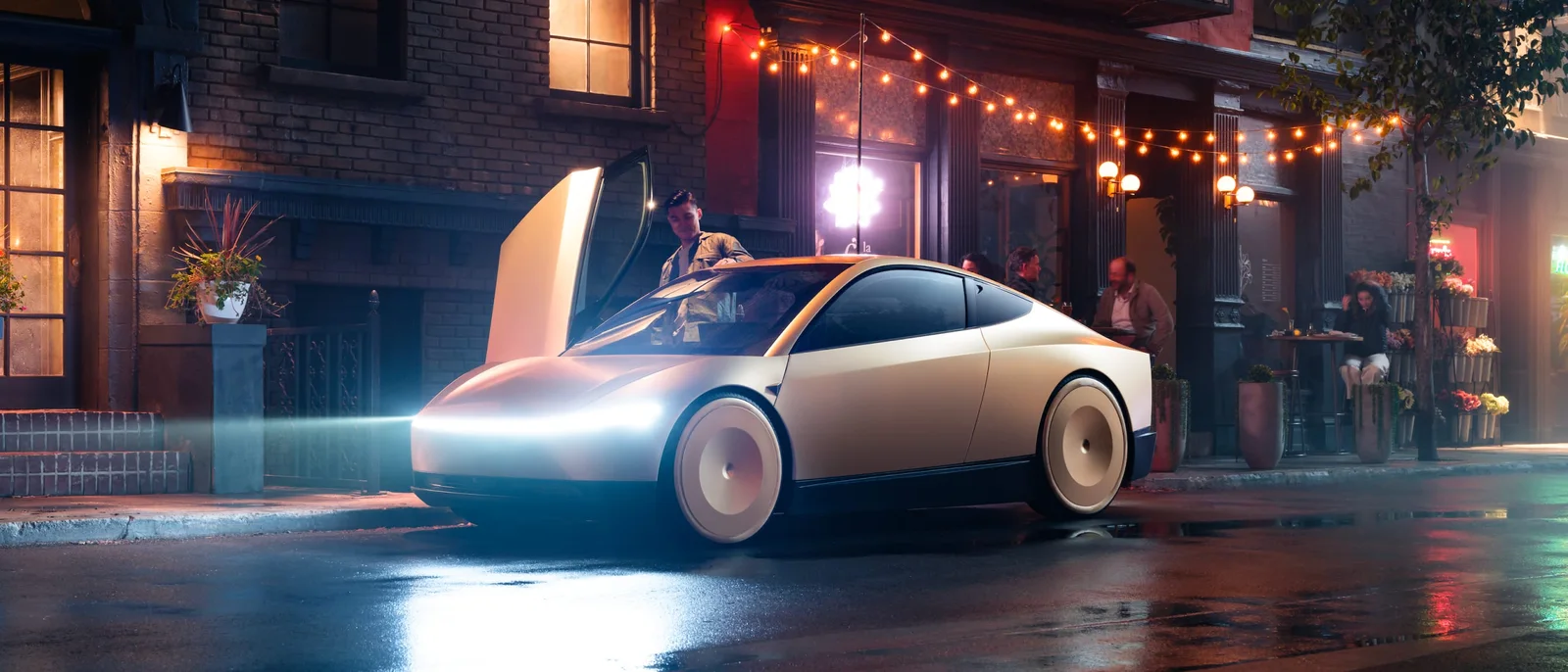
Tesla began adding Cybercabs to its robotaxi fleet, Not a Tesla App reported, while Reuters reported that Tesla's once-bullish tone on robotaxis had shifted.
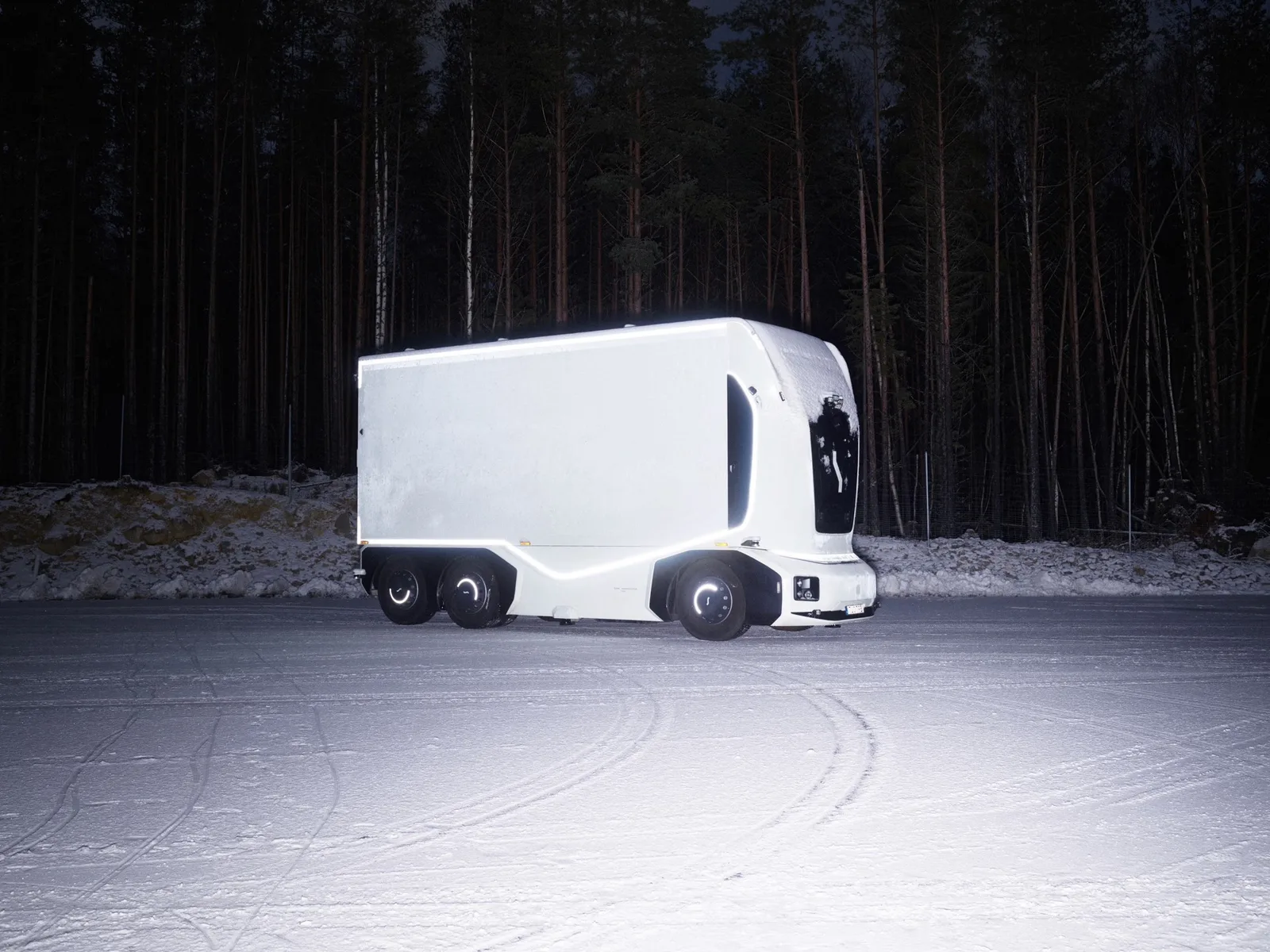
Einride and Lidl deployed the first cab-less autonomous truck in Germany, Reuters reported.
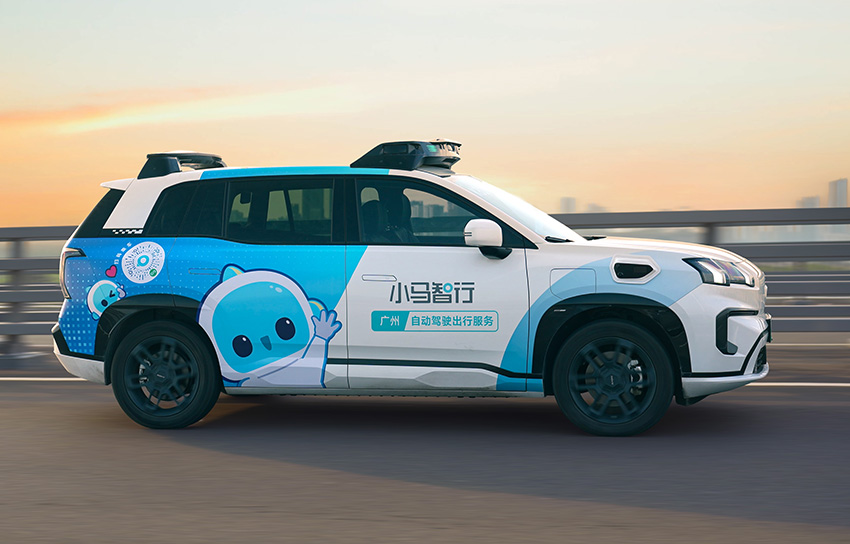
Uber and Pony.ai plan to bring 2,000 robotaxis to Europe, CNBC reported, and Bloomberg reported record robotaxi revenue.
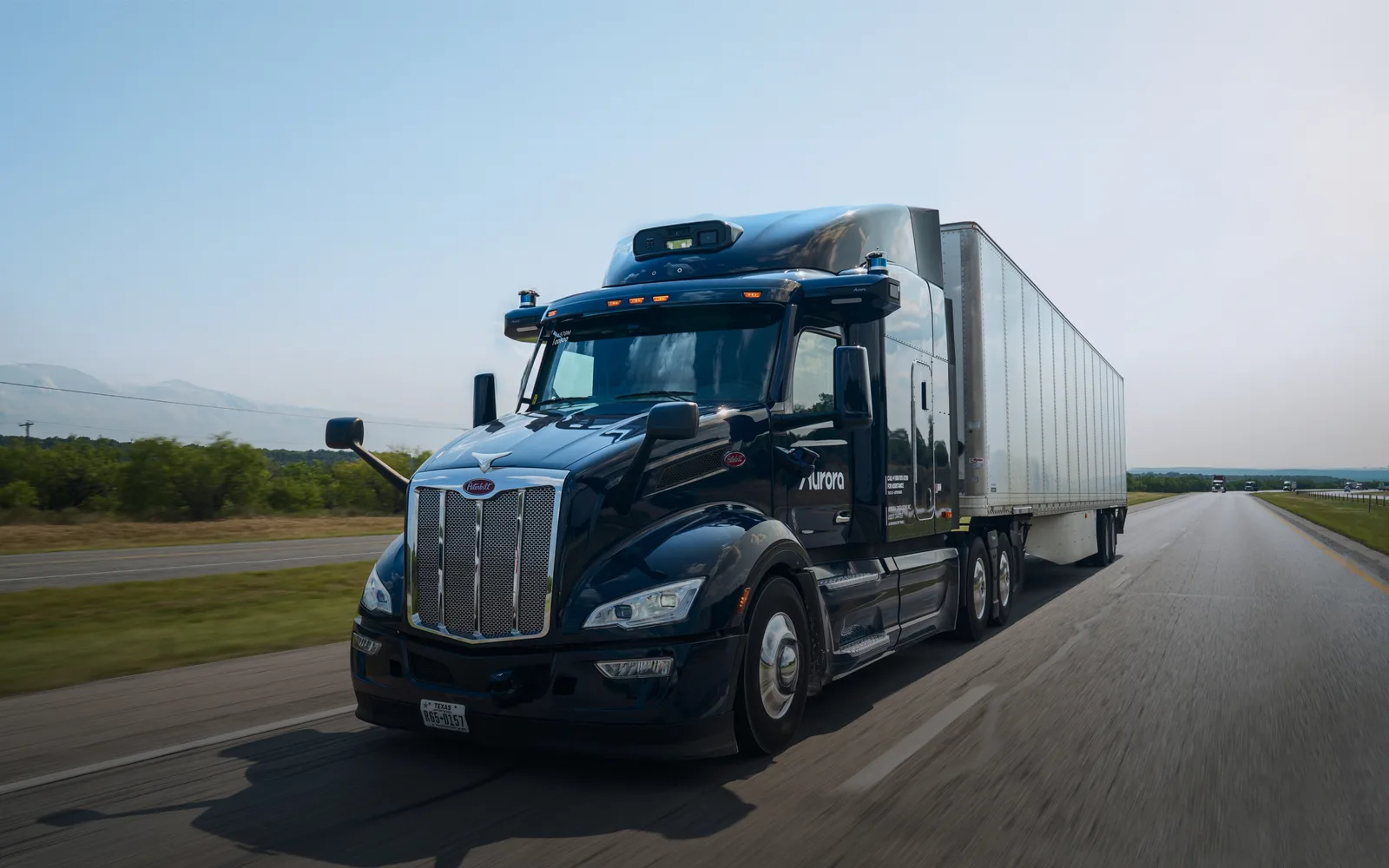
Aurora's commercial scaling phase got underway, Trucking Dive reported, and CNBC reported that the company is pushing toward profitability.
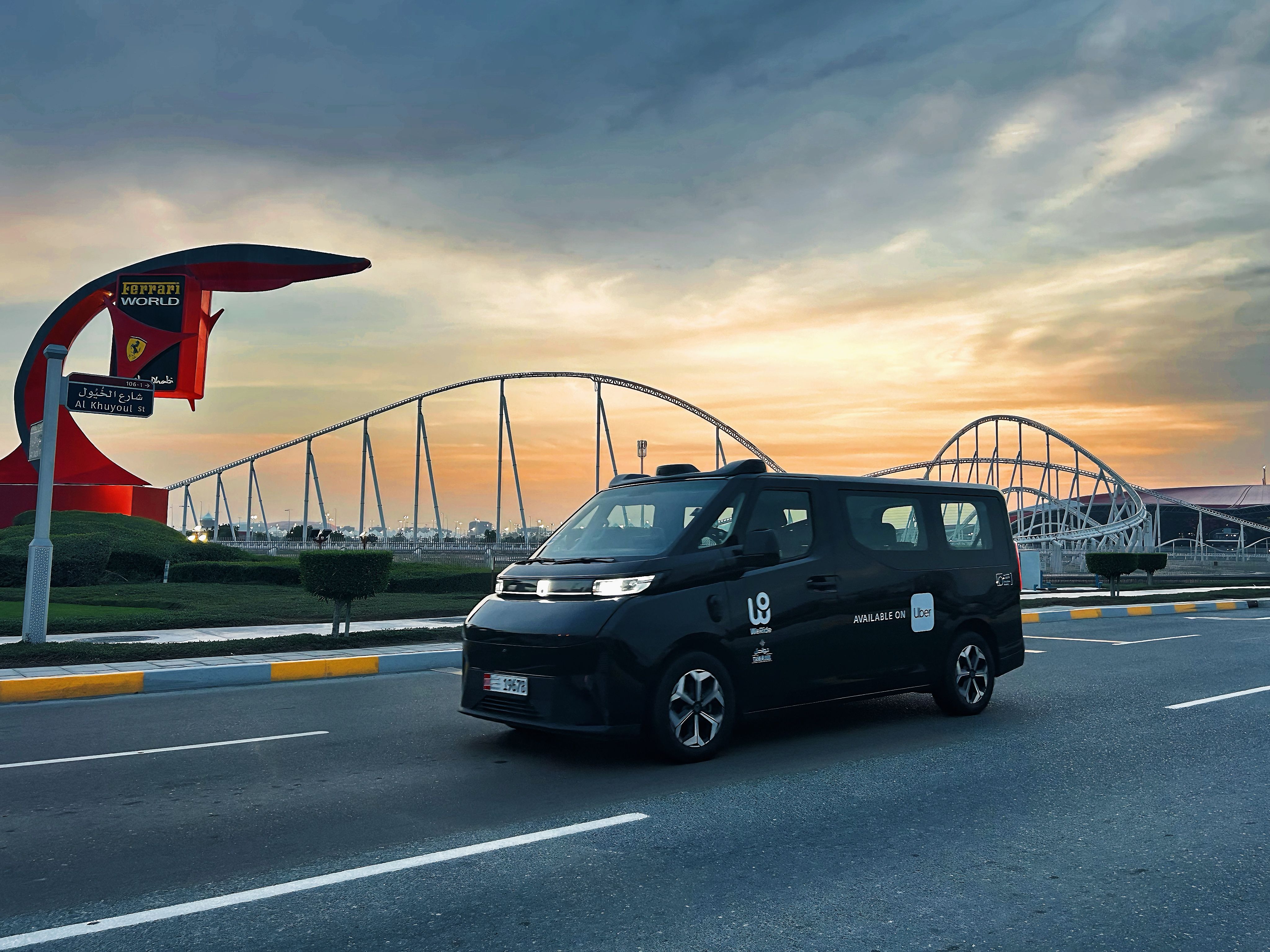
WeRide entered Denmark to extend its European footprint, Reuters reported; no headline named the GXR itself.
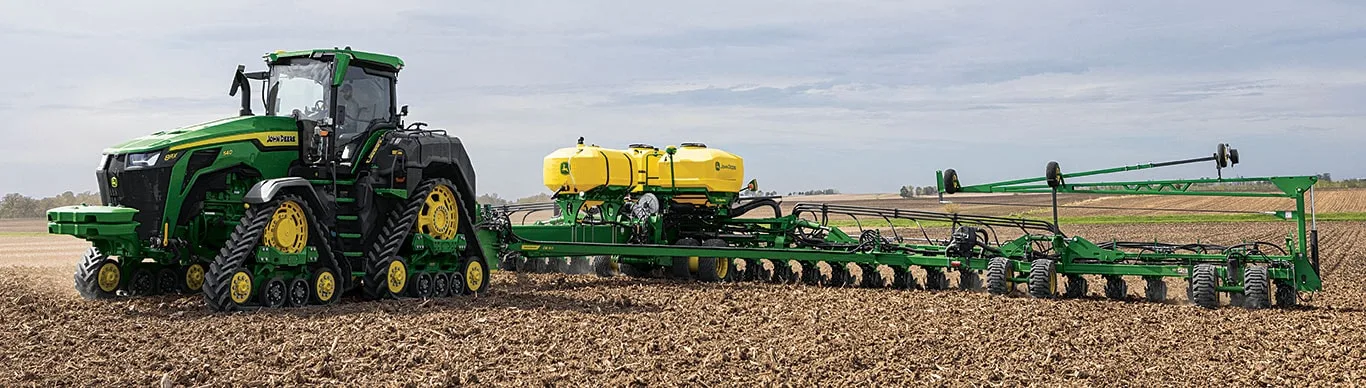
No headline named the 8R itself; most of the quarter's news was about autonomous tractors in general, including a Capitol Weekly report that they remain stalled in California agriculture.
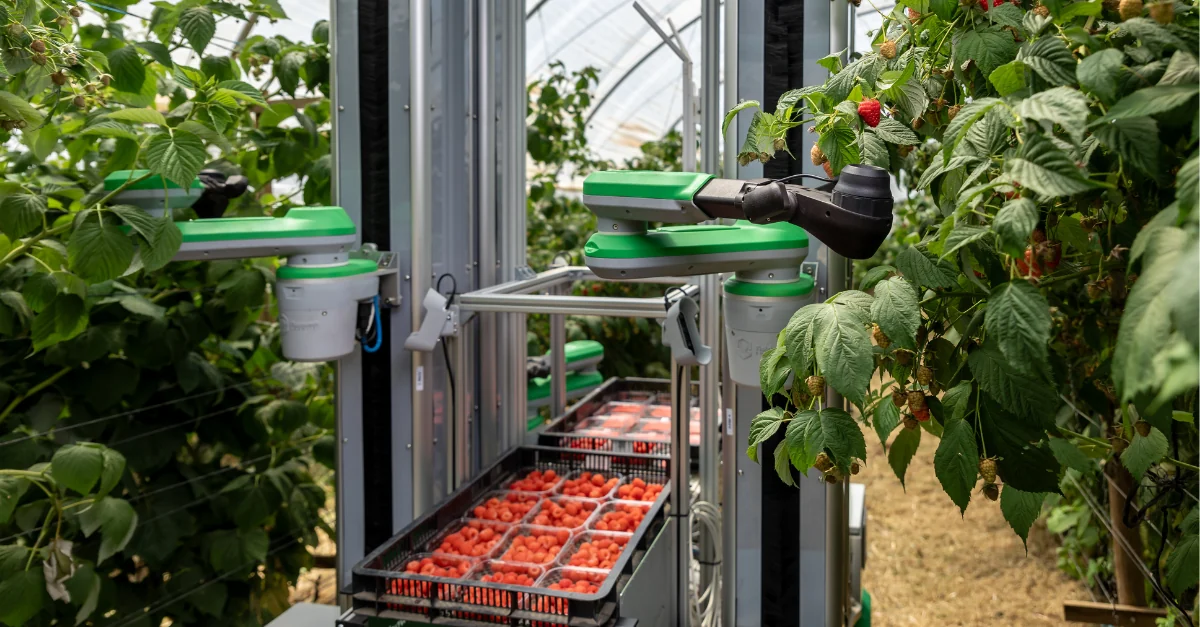
Fieldwork Robotics secured an investment from SEED Innovations to scale its berry-harvesting robots, Robotics & Automation News reported.
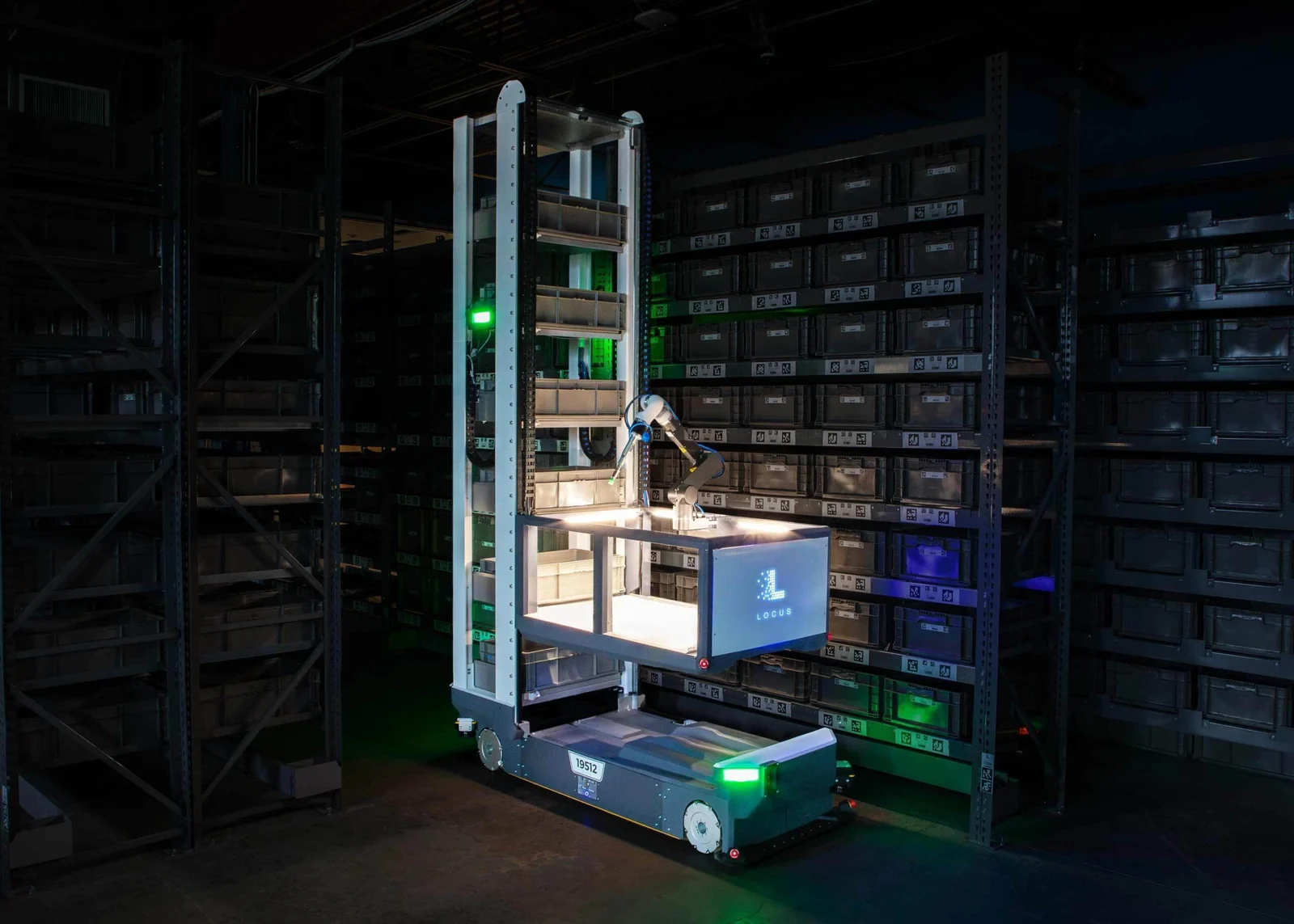
Locus Robotics was reported to be nearing a Series G close, and it won a supply-chain award with Kimball Midwest; no headline named the Array itself.
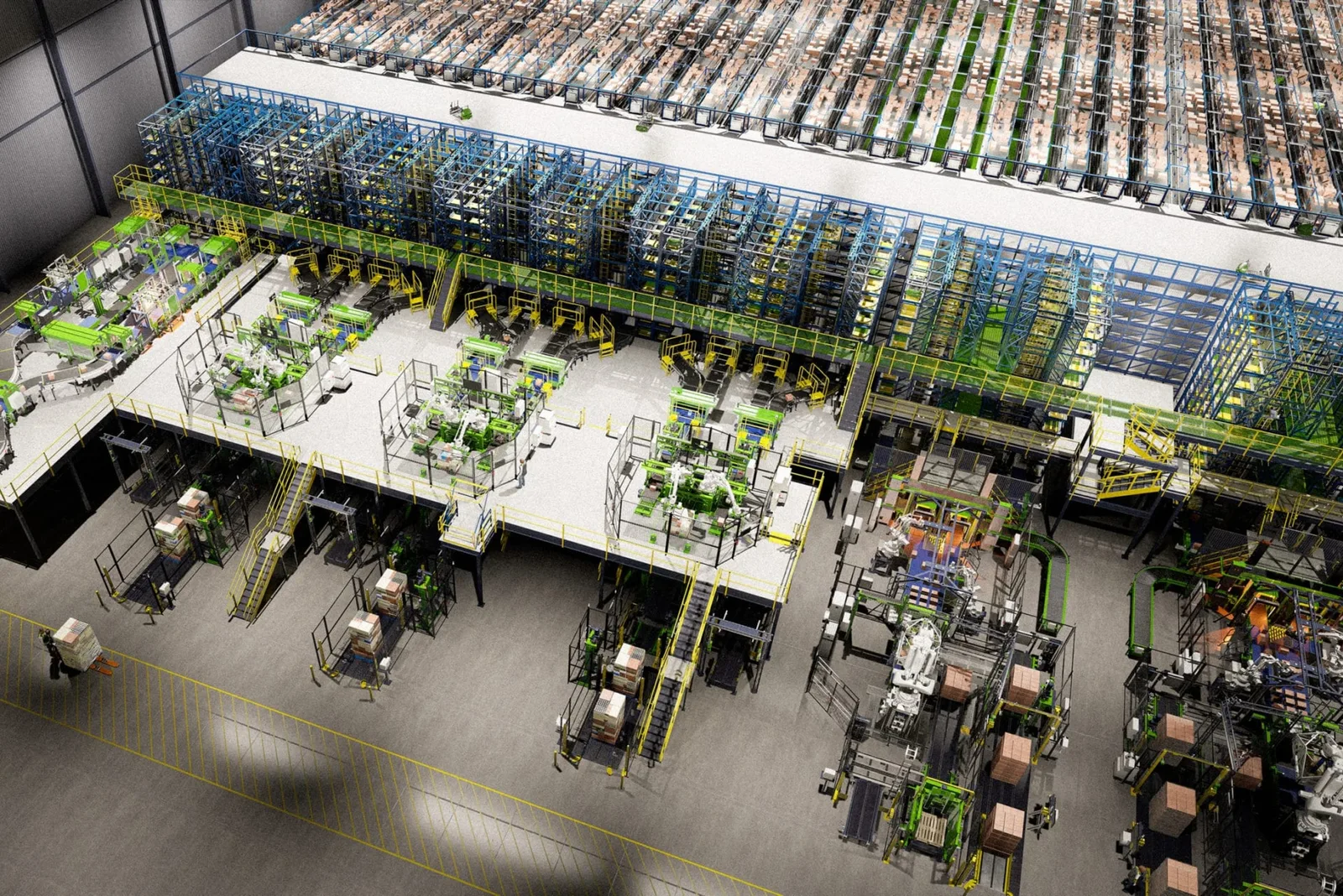
Symbotic bought British warehouse-software firm ARMS Innovations, while investor coverage weighed its stock against Amazon's growing warehouse robotics push.
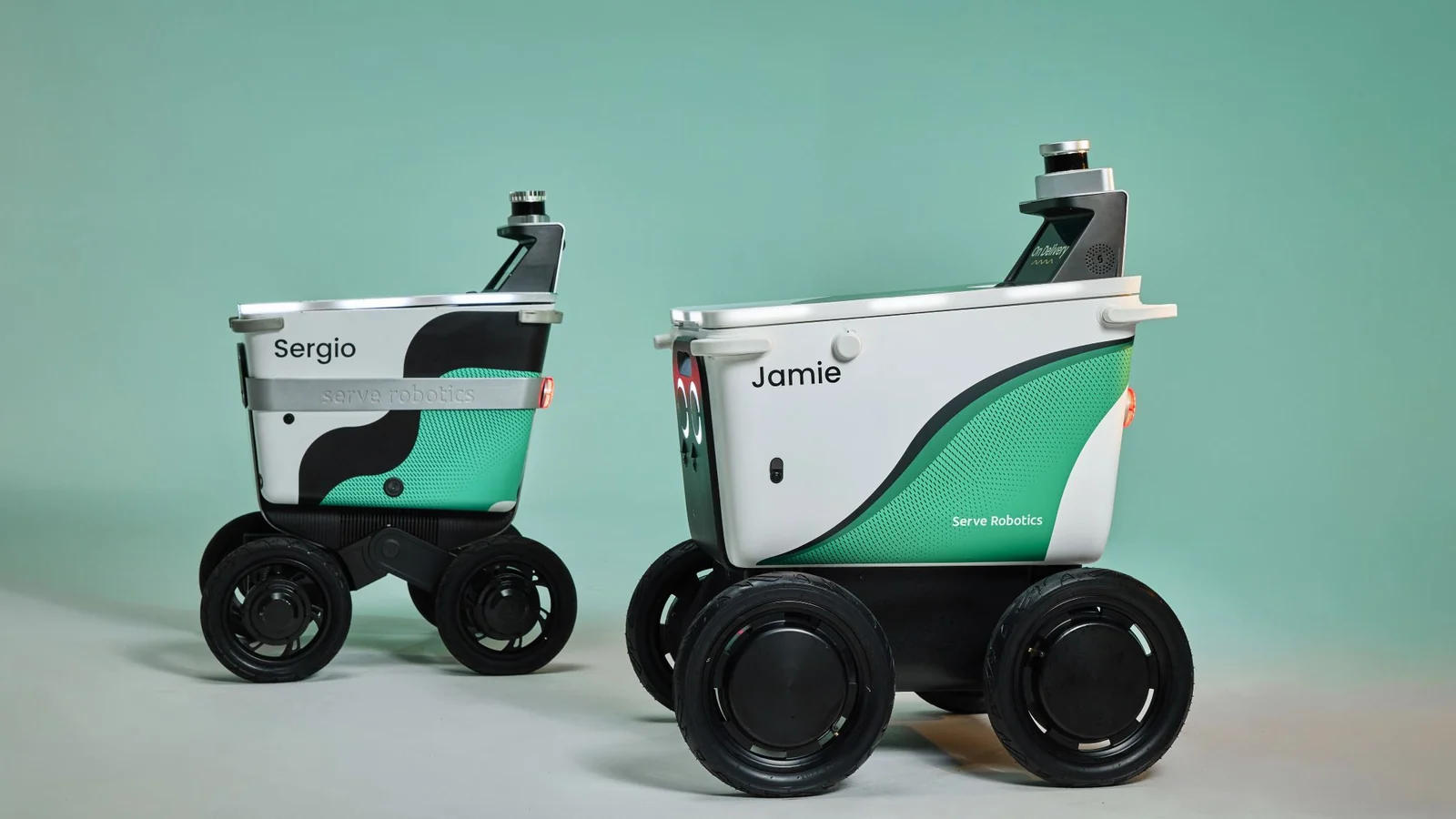
After Uber exited its stake, Serve partnered with Grubhub to expand robot delivery, Reuters reported.
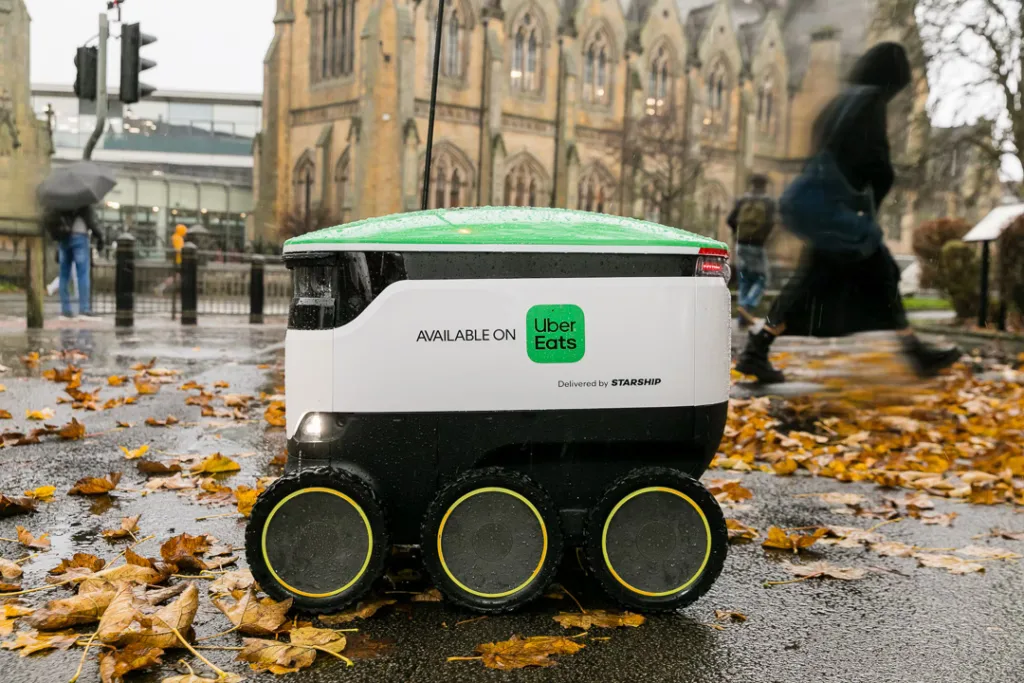
Starship's robots left Miami University as the company shifted from campuses toward cities, and a woman sued the company alleging one of its robots knocked her down.
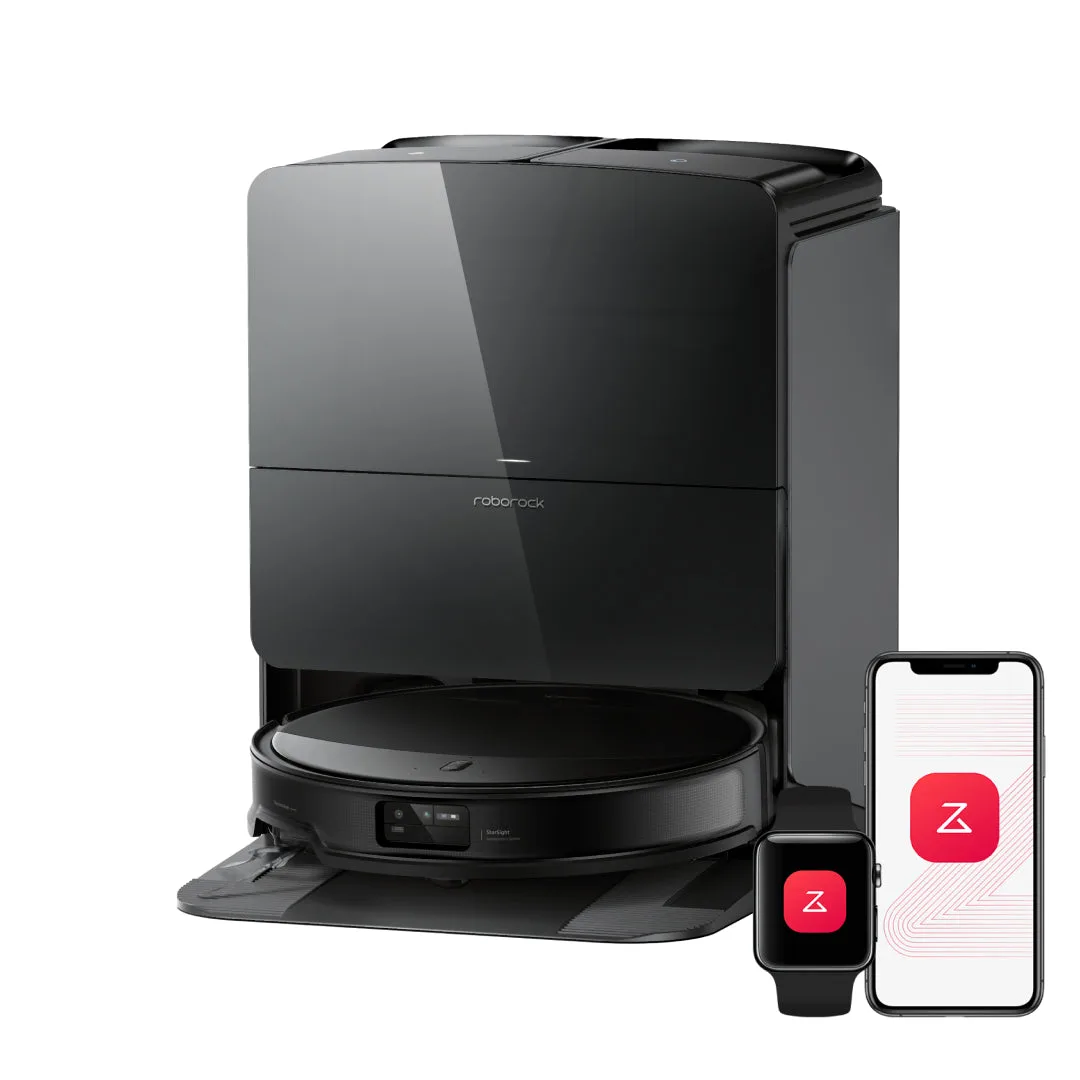
Reviewers including Gizmodo and BGR praised the Saros 20, though PCWorld called it hard to justify and Gearbrain asked whether it is worth $1,599.
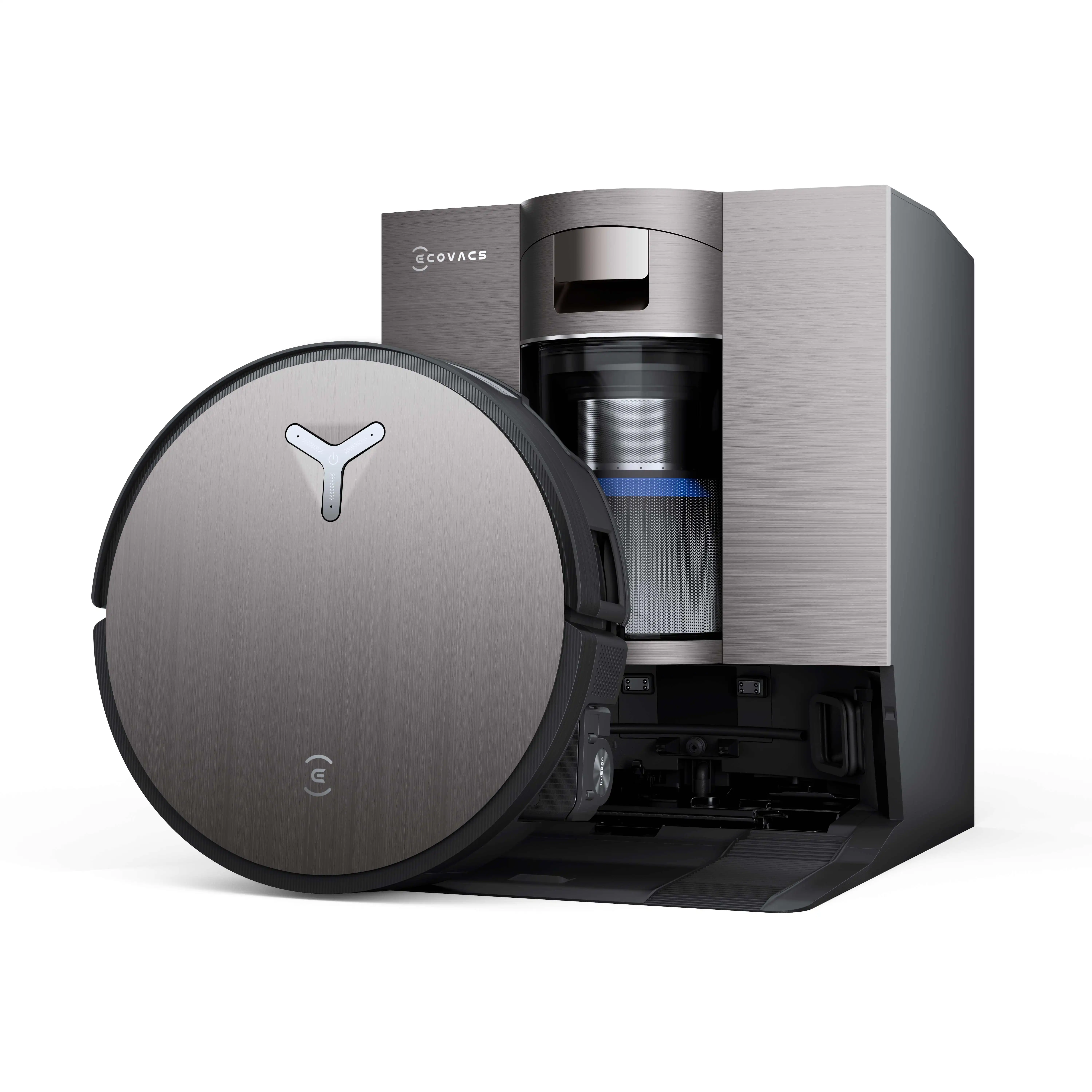
Popular Mechanics called Ecovacs' new Deebot X12S smarter, stronger and cheaper than its favourite mopping robot vacuum, though TechRadar said the T90 Pro Omni shook its faith in the brand.
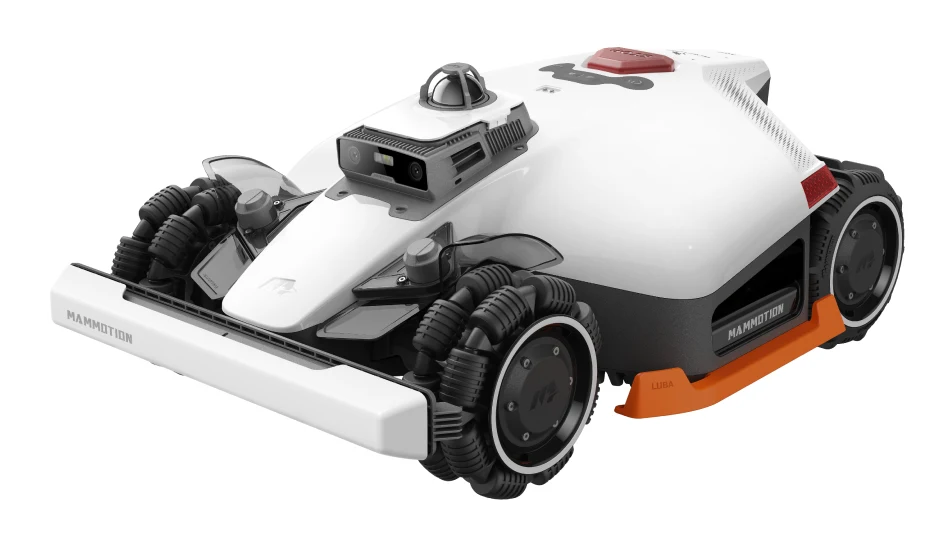
Reviewers including 9to5Google, which said the Luba 3 changed its mind about robot lawnmowers, drove the coverage, and Mammotion showed the newer Luba 4 AWD at IFA 2026.
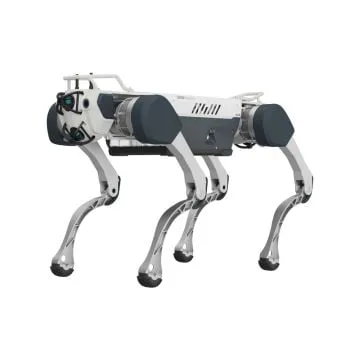
No headline named the X30 itself; DEEP Robotics said it showed a new lineup at WAIC 2026 and said it was expanding firefighting and emergency-response deployments of its legged robots.
Proof on record
- #4Boston Dynamics AtlasTop 10Boston Dynamics: 4 named deployments on record
- #5UBTech U1Top 10UBTECH Robotics: 3 named deployments on record
- #6Boston Dynamics SpotTop 104 named deployments on recordBoston Dynamics: 4 named deployments on record
- #10Agility DigitTop 103 named deployments on recordAgility Robotics: 1 named deployment on record
- #1WaymoAutonomous vehiclesWaymo: 3 named deployments on record
- #3Locus RoboticsBy categoryLocus Robotics: 8 named deployments on record
- #4Symbotic SystemBy categorySymbotic: 1 named deployment on record
- #5Serve Robotics Gen 3By categoryServe Robotics: 2 named deployments on record
- #6Starship Delivery RobotBy category2 named deployments on recordStarship Technologies: 6 named deployments on record
On record as of Oct 3, 2026 (HKT).
Side by side
Humanoids
| Robot | Production / fleet | Price | First named customer | Demo disclosure | Named deployments on record |
|---|---|---|---|---|---|
| Tesla Optimus | reported, unconfirmedOutput went from a few dozen units a week in Q2 2026 to several hundred a week in August 2026. This comes from The Information's paywalled report, as relayed by Electrek. Tesla did not state the figure itself. According to the report, most units are used internally for testing, training and data collection. No independent corroboration was found.[1] | — | — | Unverifiable | |
| Boston Dynamics Atlas | maker's claimMaker's claim: all 2026 Atlas deployments are already committed, with fleets going to Hyundai's application center (RMAC) and Google DeepMind. No unit count was disclosed. Hyundai Motor Group's plan to deploy 'tens of thousands' of Boston Dynamics robots and a planned factory for 30,000 robots a year are future plans, not current production.[2] | — | maker's claimMaker's claim: the first named deployments are Hyundai's application center (RMAC) and Google DeepMind, announced 5 Jan 2026. Hyundai Motor Group is Boston Dynamics' majority shareholder, so this is an affiliate deployment. The source does not say either one is paying.[3] | Partially verifiable | Boston Dynamics: 4 named deployments on record |
| Agility Digit (Digit 5) | maker's claimMaker's claim: Digit 4 has logged more than 65,000 operating hours across numerous customer sites in North America, naming GXO, Schaeffler, Amazon and Toyota Motor Manufacturing Canada. No count of sites or fleet units was disclosed. As of May 2026, Agility said it had more than $300M in multi-year customer orders for Digit 5, subject to contract milestones being met. Early access to Digit 5 is expected in the first half of 2027.[4] | — | maker's claimGXO Logistics: a multi-year Robots-as-a-Service agreement announced 27 Jun 2024, involving a SPANX facility, after a proof-of-concept pilot in late 2023. The release calls it the industry's first formal commercial deployment of humanoid robots.[5] | ||
| Unitree G1 | maker's claimMaker's claim: more than 5,500 humanoid robots across all Unitree humanoid models (not only the G1) were shipped in 2025, meaning sold and delivered to end customers. The maker also says total 2025 mass-production output across those models was more than 6,500 units. No G1-only figure was disclosed.[6] | reported, unconfirmedList price of $16,000 for the base configuration, reported at the launch in May 2024.[7] | — | Partially verifiable | |
| XPeng IRON | maker's claimXPeng's stated goal, not actual output: more than 1,000 robots a month, on the way to a million a year by 2030. XPeng switched on its production line by 7 Sep 2026. It targets mass production by the end of 2026, and sales and deliveries are not scheduled until 2027.[8] | — | — | Partially verifiable | |
| UBTech U1 (UWORLD U1) | maker's claimMaker's claim: 13,361 cumulative orders by launch day, 30 Jun 2026. These are orders, not production. Humanoid.guide notes the release had no independent production audit and no breakdown of paid, refundable or binding orders. Startup Fortune reports that home deliveries in China began 16 Sep 2026. No delivered count was disclosed.[9] | reported, unconfirmedFrom 119,800 RMB (about $16,500) up to 990,000 RMB (about $135,000) for the flagship Ultra.[10] | — | Unverifiable | UBTECH Robotics: 3 named deployments on record |
| Realbotix | maker's claimMaker's claim: delivery of 19 robots was planned for March to May 2026. The source does not confirm that any deliveries were completed, and it names no buyers.[11] | reported, unconfirmedReported prices differ by source. heise online (Jan 2026): busts from US$20,000 and full-body robots from US$95,000. Business Insider (Jul 2026): full-body robots start around US$125,000. No Realbotix price list was found to reconcile them.[12] | — | Unverifiable |
Robotaxis and autonomous trucks
| Robot | Production / fleet | Price | First named customer | Demo disclosure | Named deployments on record |
|---|---|---|---|---|---|
| Waymo | reported, unconfirmedMore than 4,000 vehicles in the fleet on 1 Sep 2026, about 300 of them the 6th-gen Ojai and the rest mostly Jaguar I-PACE, according to The Charge Port's robotaxi tracker, which says other outlets report the same numbers. On 14 Sep 2026 the Las Vegas Sun put the national fleet at roughly 3,500. Neither figure is quoted from a Waymo document.[1] | — | independentWaymo One commercial ride-hailing service launched in metro Phoenix on 5 Dec 2018. At first it was open only to invited members of Waymo's early rider program. No named customer was found.[2] | Partially verifiable | Waymo: 3 named deployments on record |
| Zoox | reported, unconfirmedA personal blog by James Hamilton, which says its opinions are his own, describes the Hayward plant as able to assemble 10,000 robotaxis a year, with peak output of 100 units a week. This is a capacity figure, not a fleet count, and it is not a statement by Zoox. No source we found gives an actual fleet count.[3] | — | independentFirst commercial launch: paid robotaxi rides for the public on the Las Vegas Strip, which FOX5 reported on 11 Aug 2026 had begun. (Use FOX5's 11 Aug URL and its quote 'Zoox has begun charging passengers for rides in its driverless vehicles on the Las Vegas Strip', and set corroborated to false.) No named customer. Fares are not disclosed: Zoox declined to give its base fare.[4] | Partially verifiable | |
| Tesla Robotaxi | reported, unconfirmed476 Tesla vehicles listed in the Texas automated-vehicle registry as of 21 Sep 2026: 409 Model Y plus 67 Cybercab. These are state records compiled by volunteer trackers and reported by more than one outlet. They are registrations, not cars confirmed to be running driverless. Tesla does not disclose that number.[5] | maker's claimFlat fee of $4.20 per ride at the June 2025 Austin launch, more than a year before this quarter, as stated by Elon Musk on X. No current (Sep 2026) fare schedule was found.[6] | independentFirst paid deployment: Austin, Texas, from 22 Jun 2025. Riders were invite-only. No named customer.[7] | Partially verifiable | |
| Pony.ai robotaxi | maker's claimGlobal robotaxi fleet of 1,975 vehicles in Q2 2026, with a target of more than 3,500 by year-end. This counts all generations, not Gen-7 only.[8] | — | maker's claimChenqi Mobility (OnTime Mobility platform) took an initial delivery of more than 100 Gen-7 vehicles (GAC AION V-based), announced 19 Mar 2026. Chenqi owns the fleet assets. This is the earliest named Gen-7 fleet partner found, and the sources do not show it was the first ever.[9] | ||
| WeRide robotaxi | maker's claimGlobal L4 fleet of about 3,400 vehicles as of 31 Jul 2026, including more than 1,800 robotaxis. This counts all models, not GXR only.[10] | — | independentCommercial GXR robotaxi service launched with Uber in Abu Dhabi in Dec 2024. Riders book through the Uber app.[11] | ||
| Aurora Driver | maker's claimAbout 25 trucks operating across all generations at the Q2 2026 report, with 20-25 second-generation trucks expected by the end of Q3.[12] | maker's claimPer-mile revenue outlook from the CFO: $2+ per mile for the transportation-as-a-service model, and a $0.85+ per mile target for the driver-as-a-service subscription.[13] | independentUber Freight and Hirschbach Motor Lines: first customers for driverless commercial service between Dallas and Houston, reported 1 May 2025.[14] | ||
| Einride autonomous truck | maker's claimAbout 250 trucks deployed on Einride's platform across 30+ customers, per the CEO. This is the whole platform fleet. The number of autonomous trucks is not disclosed.[15] | — | maker's claimGE Appliances: full-time daily commercial autonomous operations in Selmer, TN, announced 13 Nov 2023. A public-road pilot with GE Appliances ran there in 2022.[16] |
Warehouse and logistics
| Robot | Production / fleet | Price | First named customer | Demo disclosure | Named deployments on record |
|---|---|---|---|---|---|
| Locus Robotics | — | — | reported, unconfirmedDHL Supply Chain, Columbus, Ohio site. Locus delivered its first Locus Array to the site in the week of 13 Nov 2025, to be operational early the following month. Whether DHL paid for it is not stated.[1] | Locus Robotics: 8 named deployments on record | |
| Symbotic | maker's claim77 systems in deployment, as of the fiscal Q3 2026 results (quarter ended 27 Jun 2026)[2] | — | — | Symbotic: 1 named deployment on record | |
| Agility Digit | maker's claimMaker's claim: Digit 4 has logged more than 65,000 operating hours across numerous customer sites in North America, naming GXO, Schaeffler, Amazon and Toyota Motor Manufacturing Canada. No count of sites or fleet units was disclosed.[3] | — | maker's claimGXO Logistics, at its SPANX facility. Multi-year robots-as-a-service agreement announced 27 Jun 2024, after a proof-of-concept pilot in late 2023.[4] | Unverifiable | 3 named deployments on record |
| Serve Robotics Gen 3 | maker's claimMore than 2,000 robots deployed across the U.S. since 2021 (all generations).[5] | — | — | Serve Robotics: 2 named deployments on record | |
| Starship | maker's claimMore than 3,000 robots in about 300+ locations in 8 countries, stated when Starship passed 10 million deliveries (April 2026)[6] | — | — | 2 named deployments on record |
— means the figure was not found in the public sources checked for this edition. Demo disclosure is this edition's forensics verdict, blank where no demo was audited. Named deployments are records naming a customer or place; a record naming only the maker is shown against the maker. Neither column changes the ranking.
Still in the news
Capital this quarter
- Recorded this quarter
- $9.33B
- Rounds
- 112
- Median round
- $14.9M
- Top 3 rounds’ share
- 41%
By month
- July$4.57B37 rounds
- August$2.40B35 rounds
- September$2.36B40 rounds
Largest rounds
- Atoms$1.70BLed by Andreessen Horowitz · with Bain Capital, Fifth Wall, K5 Global +5 more
- Quantum SystemsSeries D$1.20BBlackstone, Noteus, Airbus +8 more
- XPeng Robotics$900MLed by IDG Capital · with Gaorong Ventures, Tencent, Alibaba
- Sharpa$668MAlibaba Group, Meituan, Tencent +6 more
- Dige Robotics$400M
- Digua RoboticsSeries C$400MLed by Mirae Asset · with Meituan, Hefei State-owned Investment, Nanshan Strategic Emerging Industry Investment +9 more
- Walden RoboticsSeed$300MToyota Motor Corporation, Toyota Invention Partners, Toyota Ventures +15 more
- Gravis RoboticsSeries A$200MLed by SoftBank
- Generalist$200M
- GatikSeries D$200MQatar Investment Authority, Koch Disruptive Technologies
Funding rounds we have recorded, dated in Q3 2026, as of Oct 3, 2026 (HKT). A record of what we have found, not a census of the market. Capital never feeds the trending rank.
What to watch next quarter
- later this year (2026)Tesla Optimusmaker's target
Tesla says production of Optimus at its Fremont factory, on the former Model S/X line, is expected to start later this year. On the 22 July earnings call, Elon Musk said Tesla would 'soon start production'.
Tesla, Inc. (Form 8-K Exhibit 99.1, Q2 2026 update) · 22 Jul 2026 - by the end of 2026; sales and deliveries 2027XPeng IRONmaker's target
XPeng says IRON humanoid mass production will start by the end of 2026. The first robots go to XPeng's own stores and campuses, with sales and deliveries in China and abroad not scheduled until 2027 (reported by Electrek).
Electrek · 7 Sep 2026 - by the end of 2026 (10,000+ delivered); 50,000 by 2027UBTech U1 (UWORLD U1)maker's target
UBTech's target is more than 10,000 UWORLD U1 units delivered by the end of 2026 and 50,000 by 2027. Home deliveries began on 16 September 2026 (reported by Intelligent Living).
Intelligent Living · 23 Sep 2026 - 2027Boston Dynamics Atlasmaker's target
Boston Dynamics plans to move its Atlas training center (RMAC) at Hyundai's Georgia Metaplant into a facility about 10 times larger in 2027. It also says it is in discussions with existing Spot and Stretch customers about expanding data collection and other tasks that support Atlas.
The AI Insider · 22 Sep 2026 - first half of 2027 (early access); end of 2027 (general availability)Agility Digit (Digit 5)maker's target
Agility says early customer access to Digit 5 starts in the first half of 2027, with general availability by the end of 2027. It also plans to offer Digit 5 in the EU and UK.
Robotics & Automation News · 17 Sep 2026 - TfL guidance 'shortly'
London robotaxi rules: Transport for London said its guidance for would-be operators 'will be issued shortly'. TfL said no operator had completed the first stage of the process and no permit applications had been made.
Asian Standard · 3 Sep 2026 - later this year (2026), Waymo's aimWaymomaker's target
Waymo's aim, stated when it launched its London pilot in April: a fully driverless London robotaxi service later this year. No permit application had been made when TfL spoke in September.
Asian Standard · 3 Sep 2026 - by year-end 2026Pony.ai robotaximaker's target
Pony.ai says its robotaxi fleet, which includes the Gen-7 vehicles, will grow to more than 3,500 by the end of 2026. It stood at 1,975 at its Q2 report.
Pony AI Inc. (Form 6-K, Q2 2026 results) · 18 Aug 2026 - by end-2026WeRide robotaximaker's target
WeRide plans to grow its robotaxi fleet to 2,600 vehicles by the end of 2026. Commercial right-hand-drive robotaxi service, built on the GXR platform, is set to begin in Hong Kong (WeRide press release with Geely Farizon and Kwoon Chung).
Nasdaq (WeRide press release) · 22 Jun 2026 - by the end of 2026Aurora Drivermaker's target
Aurora plans to remove the observer that Paccar asked it to keep in the driver's seat of its driverless trucks by the end of 2026 (reported by Trucking Info).
Trucking Info (HDT) · 22 Jul 2026
Demo forensics — was the attention deserved?
Demo forensics asks one question about a viral robot: was a viewer of the demo given enough information to know what they were looking at? We grade the disclosure, not the machine.
| Robot | Verdict | Control mode | Time integrity | Environment | Repeatability | Independent presence | Claim ↔ evidence |
|---|---|---|---|---|---|---|---|
| Tesla Optimus#1 | Unverifiable | Undisclosed | Undisclosed | Partial | Undisclosed | Undisclosed | Partial |
| Waymo#1 | Partially verifiable | Partial | Partial | Disclosed | Partial | Disclosed | Partial |
| Realbotix#2 | Unverifiable | Undisclosed | Undisclosed | Partial | Undisclosed | Partial | Partial |
| Zoox#2 | Partially verifiable | Partial | Partial | Disclosed | Disclosed | Disclosed | Partial |
| Unitree G1#3 | Partially verifiable | Disclosed | Undisclosed | Undisclosed | Undisclosed | Undisclosed | Partial |
| Tesla Robotaxi#3 | Partially verifiable | Partial | Undisclosed | Disclosed | Partial | Partial | Partial |
| Boston Dynamics Atlas#4 | Partially verifiable | Undisclosed | Partial | Disclosed | Partial | Disclosed | Partial |
| UBTech U1#5 | Unverifiable | Undisclosed | Undisclosed | Disclosed | Partial | Partial | Partial |
| Boston Dynamics Spot#6 | Partially verifiable | Partial | Undisclosed | Partial | Partial | Undisclosed | Partial |
| XPeng IRON#9 | Partially verifiable | Disclosed | Undisclosed | Partial | Undisclosed | Undisclosed | Partial |
| Agility Digit#10 | Unverifiable | Undisclosed | Undisclosed | Partial | Undisclosed | Undisclosed | Partial |
Rows are ordered by attention rank, not by verdict. 11 audited entries are an anecdote, not a correlation — we do not claim that attention and disclosure move together across the industry.
How we grade a demo
Six axes, graded independently and never summed. A composite “trust score” would hide which axis failed.
Was the viewer told whether the robot was autonomous, teleoperated, or a mix?
A teleoperated robot pouring a drink demonstrates good hardware. An autonomous one demonstrates a solved problem. They look identical on video. This is the gap most robot marketing lives in.
Was the footage real-time, and was any speed change or cut disclosed?
Speeding up footage is legitimate and normal. Silently speeding it up, in a field where speed is the core unsolved problem, is not. A cut can hide a reset, a retry, or a human hand.
A staged set, or the real place the robot is meant to work?
A demo cell is a fair place to demonstrate. Presenting one as an operating environment is not.
One take, or evidence it works more than once?
A live, continuous, unedited feed cannot hide a failure — it is the only format where the evidence is not curated by the party being evaluated. A single cut clip is the weakest.
Did anyone not employed by the maker see it work with their own eyes?
A partner company confirming is worth something, but partners are commercially entangled. An account that traces back to a maker-supplied video is not independent evidence.
Does what was shown support what was said?
The commonest failure is not a fake video. It is a true video attached to an untrue sentence — a robot lifts one crate, and the headline says "at scale."
- Every verdict cites a URL and a quote. Where we could not find a disclosure, we say we could not find one — which is different from saying there was none.
- Facts, never intent. We report what was stated and what was not. We do not report what anyone meant by it.
- Absence of disclosure is not evidence of deception. Most makers simply never thought to say.
- Every company named may reply, and we publish the reply — including the parts where they tell us we are wrong.
- We grade ourselves in the same typeface. Errors in our own edition are published beside everyone else’s.
- No composite score. A single “trust number” would hide which axis failed, and would become the junk this replaces.
This rubric rewards makers who talk. A company that publishes nothing scores “Undisclosed” on every axis while quietly shipping thousands of units. Trending is an attention list, not a competence list — the absence of a maker here says nothing about their robots.
The part where we grade ourselves
Everything below is an error or a structural weakness we found in the Q3 2026 edition itself, while auditing everyone else. Corrections are published, never quietly patched.
This quarter, a maker's own announcements stopped counting as coverage
Last quarter we said that news coverage, the largest part of the trending signal, counted a company's own press releases and blog posts, and that we would repeat the warning until it was fixed. This edition fixes it. Press-release wires, stock-quote pages, a maker's own website and deal or buying-guide posts are now set aside, and only the remaining coverage counts.
It changed the list. iRobot's Roomba lost more than a third of its counted coverage, all of it deal and price-cut posts, and fell from second to seventh. Two category robots fell below the coverage bar and no longer appear. Realbotix rose on independent coverage of a school district's plan to pilot one of its robots, a plan that was later put on hold.
The classification works from each headline's source and title, so a press release republished under a newsroom's name can still slip through.
Last quarter, "change against the previous quarter" barely moved the ranking
Our methodology lists change against the previous quarter as one of the four signals. When we decomposed the Q2 ranking robot by robot, that signal had almost no effect on any robot near the top: a few robots with little or no coverage the quarter before produced extreme ratios, and they flattened the comparison for everyone else. The Q2 list therefore measured how well known a robot already was, not what changed.
We corrected the calculation for this edition, so change now counts only for robots with enough coverage to measure. We have left the published Q2 ranking as it was.
The most-covered names hit the ceiling of our news count
Our news count stops at a fixed number of articles per month. Waymo, Zoox, Tesla Robotaxi and Tesla Optimus all reached that ceiling in every month of the quarter. Among those robotaxis, the order is set by the other signals, not by which one was written about most.
Last quarter's category picks were chosen by hand; this quarter's are not
In Q2, the "by category" robots and four of the seven autonomous-vehicle entries were chosen by an editor, with no signal behind their place on the page. In this edition every entry is ranked by the same signals. Several of last quarter's hand-picked category robots do not appear this quarter; two of them drew almost no coverage at all.
We showed rocket headlines under a delivery robot
The "Still in the news" strip on our Q2 report listed SpaceX Starship rocket stories under the Starship delivery robot, because the two share a name. Those headlines have been removed, and the strip now drops stories that match that kind of name clash.
The basis for this report
How this report is built
Trending ranks the most-talked-about commercial robots each quarter using only public attention — a read on hype and mindshare, not a judgment of quality. It is deliberately independent of the RoboScore (our quality & fit score): being loud is not the same as being good, and nothing in this report feeds the RoboScore or the RoboIndex. The ranking draws on four kinds of attention:
- News coverageHow often the robot was written about during the quarter, from Google News and, where available, GDELT.
- Wikipedia readershipHow many people went and looked the robot or its maker up on Wikipedia during the quarter.
- Change vs the previous quarterWhether news attention rose or fell against the quarter before.
- Interest on RobolistVisits to the robot's Robolist page during the quarter, with bots excluded. A light, on-platform read.
Each signal is compared across the whole field before the signals are combined. Autonomous vehicles are ranked in their own group so robotaxis and humanoids do not crowd each other out.
Proof on recordBeside the attention ranking we print what is on record: named deployments — a named customer or place — counted from the same deployment records that feed each robot’s Robolist page. They sit next to the rank and never change it. A robot with none on record simply shows nothing; that is a gap in the record, not a verdict.
Capital this quarterCapital this quarter is funding rounds we have recorded, dated inside the quarter. It is a record of what we have found, not a census of the market.
- Rank is public — the score behind it stays private
- Independent of the RoboScore
- Fixed for the quarter — a snapshot, not a live ticker
- Free, public sources only
- Every entry is editor-reviewed
Only robots listed on Robolist are eligible. Sources: Google News, Wikipedia / Wikimedia, GDELT — all free and public.